Real Estate News and Advice
October 10, 2008
Exclusive Leads In Your Market


Search Realty Times


Learn the Art of the Short Sale


Today's Insider REALTOR Secret


NEED HELP?

Click for Live Support


Call: 214-353-6980


Finding Your Home's Weakest Links

A significant portion of contractors' business comes from repairs that could have been prevented. Financially speaking, the earlier a homeowner spots a problem, the better. Early detection often results in less-expensive repairs.

This assumes, however, that homeowners are aware of the "weakest links" in their homes. And in many cases, they aren't. Either the problem is out of sight and out of mind, or the homeowner dismisses it as normal wear and tear that can wait for now.

Once a contractor arrives to fix the problem, the solution is sometimes a short-term one unless the homeowner is informed how to detect or even prevent a recurrence. A homeowner's first step in gaining that knowledge is to learn where a home's weaknesses lie, and then fixing problems before they emerge or worsen.

Creating a list of those vulnerabilities helps homeowners perform annual walk-throughs and assess any areas that may have changed since their last inspection, and which could demand immediate attention.

In some cases the signs of possible or actual problems are fairly plain. That musty smell in the basement, the little animal holes the garden, that minor leak in the kitchen are each minor issues -- at least for the moment. In time, however, must be turn into mold, those little holes may harbor rates, and over time a minor leak can create a need for extensive repairs.

So what should you check? The answer will vary depending on such factors as the design and style of your home, its construction, your location, the climate, and related factors. That said, here are some items and systems to review:

  • Heating and air conditioning. Change or clean filters every two months and have the system inspected annually by specialist.

  • Paint. Not just a decorative issue -- peeling exterior paint can allow insect damage.

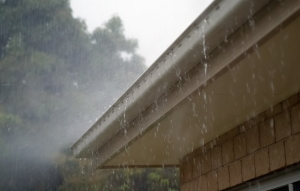
  • Downspouts. Direct water away from the house, as far as possible.

  • Basements. Get items off the floor, especially fabrics. In the event of dampness or flooding there will be less damage and air will circulate items to speed drying. (But why is the basement damp? Check those downspouts.)

  • Depending on the frequency of use, fireplace chimneys should be checked and cleaned regularly.

  • If the roof is visibly "lumpy," tiles are missing, or you have leaks, contact a roofer.

  • Re-caulk bathroom sinks and showers as required -- there should be no leaks.

  • Breaks in walls and concrete surfaces that are significantly more than just settlement cracks.

  • Window drafts suggest that air you don't want is getting in, while air you do want is getting out.

The items above are by no means a complete list. For additional details check ImproveNet, Inspect America, and Today's Homeowner.

For more articles by Courtney Ronan, please press here.

Published: May 15, 2001

Use of this article without permission is a violation of federal copyright laws.


Courtney Ronan is a freelance writer who contributes a weekly column profiling various communities. She also writes a weekly review of real estate related web sites. Courtney's career in journalism has included recent stints as managing editor of Agent News and as associate editor of Texas Business magazine.


Realty Times Video Newsletter


Real Estate News Network

You must enable Javascript to view the Video content and Navigation on this site.


Mortgage Rates
30 Year Fixed: 5.94%
15 Year Fixed: 5.63%
1 Year Adj: 5.15%
(U.S. Weekly Averages)

Today's Headlines


Agent Publicity | Market Conditions Interview | Local Market Conditions | Video Newsletter | Article Index | Terms & Conditions | Privacy | Contact Us

Copyright © 2001 Realty Times®. All Rights Reserved.