Real Estate News and Advice
July 3, 2008
Study Online, but Never Alone


Search Realty Times


Exclusive Leads In Your Market


Today's Insider REALTOR Secret


NEED HELP?

Click for Live Support


Call: 214-353-6980


Mold Is Becoming A Significant Real Estate Matter

Who ever heard of a home not selling because of mold? Or of a "mold contingency?" Five years ago, no one ever heard of such a thing. But mold is getting more attention and home inspectors need to look for mold on a regular basis, if they are not doing so already.

Get Your Free Summer SALES Kit  NOW!

Most of us laugh at the idea of mold entering into a real estate transaction. But here is the problem: mold litigation is on the rise. More and more lawyers are handling cases relating to mold exposure. And some judgments have been awarded in these cases, suggesting that they may have legal punch.

Mold exists everywhere, all of the time. It usually does not bother anyone. But there are some times that mold can be a problem. Problem #1: It can be a problem for people who are unusually sensitive to mold. Some people experience respiratory problems when they are exposed and they can become very ill. Problem #2: Black mold. Some molds, for example the "black mold" that has been around forever but people are now talking about, seems to make people ill. Again, some people seem to be more sensitive than others, but this black mold appears to have a greater propensity to cause problems.

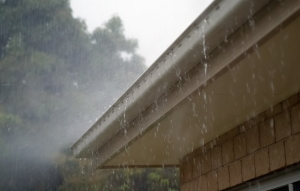
Mold exists everywhere, but it really likes dark, moist areas, such as dirty heating ducts. And a leaking roof that has slow leaked for a long time can create moisture and encourage mold growth. Combine that, with a particularly sensitive person, and you may have a lawsuit.

As a result, realtors and inspectors need to understand the mold issue. Maybe, mold will have to be disclosed by sellers. Especially if a homeowner knows there is an ongoing mold problem that may not be apparent from a basic inspection. When to disclose is a fact specific legal issue, but I believe that mold disclosure will not be uncommon in the near future.

For some reason, schools all over the country are reporting mold issues. And schools are being closed due to mold issues. That makes for a nice community selling point, "we were the first grammar school in the state to be closed due to mold." Recently, a North Jersey school district relocated five kindergarten classes because mold was detected in the schools. They attributed the mold to a crawl space underneath the classrooms that has a dirt floor, and mold. The school district reported that this was not considered to be a general health concern, but a response for the benefit of children with allergies or asthma.

In May 2000 a Houston school reported that it had been addressing "potential mold problems" for over a year. Leaky windows were sealed, the heating system had been repaired, some carpeting had been replaced, and dehumidifiers had been installed. School mold problems have also been reported in other schools all over the country.The reports have generally surfaced over the past five years. Is this because mold is new? No. It is because we now have an awareness of the issue. And this awareness will now cross over into the real estate community.

Landlords also need to be vigilant about the mold issue. A chronic leaking roof, leaking water pipes, bathroom moisture, or a poorly maintained ventilation system can be an invitation to a lawsuit. As science establishes a causal relationship between the presence of mold and human illness, legal exposure will rise.

Landlords must ensure that reasonable means have been taken to avoid harmful mold growth. Indoor air quality experts are available to provide assistance. And if mold repairs are needed, be sure to contract with a company that has experience. There are protocols that should be followed, and you will want to ensure that you can prove that the job was done correctly.

Published: April 4, 2002

Use of this article without permission is a violation of federal copyright laws.


Stuart Lieberman, Esq. writes about environmental issues. He was a New Jersey Deputy Attorney General assigned to the State Department of Environmental Protection from 1986 to 1990. Currently he is a shareholder in the environmental law firm of Lieberman & Blecher, P.C., located in Princeton, New Jersey.

Stuart can be reached at slieberman@liebermanblecher.com.


Real Estate News Network

You must enable Javascript to view the Video content and Navigation on this site.


Mortgage Rates
30 Year Fixed: 6.35%
15 Year Fixed: 5.92%
1 Year Adj: 5.17%
(U.S. Weekly Averages)

Today's Headlines

Expert Tools. First-hand knowledge.


Learn the Art of the Short Sale


Agent Publicity | Market Conditions Interview | Local Market Conditions | Video Newsletter | Article Index | Terms & Conditions | Privacy | Contact Us

Copyright © 2002 Realty Times®. All Rights Reserved.