Real Estate News and Advice
October 10, 2008
Today's Insider REALTOR Secret


Search Realty Times


Exclusive Leads In Your Market


NEED HELP?

Click for Live Support


Call: 214-353-6980


Home Ownership Rate Soars in Canada, But Has the Market Peaked?

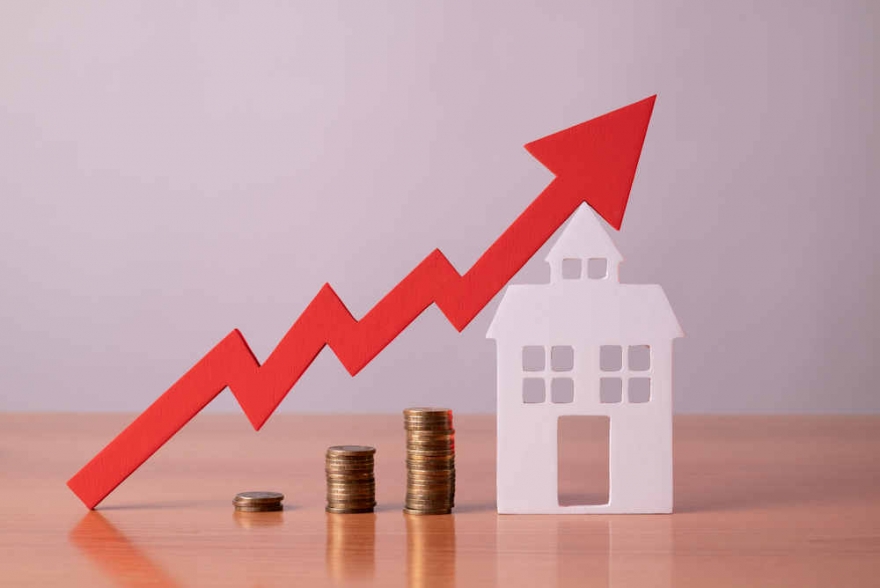
The real estate boom of the last three years has pushed Canada's home ownership rate to more than 67 per cent, up from the 65.8 per cent recorded in the last census in 2001, says a new report from Scotiabank Group. (www.scotiabank.com) That puts Canada just below the U.S. rate of 69 per cent, but ahead of European countries and Japan.

"Based purely on demographic trends, Canada's home ownership rate will continue to rise over the coming decade, albeit at a more gradual pace than in recent years," says the report. "However, this is only part of the story, as age-specific ownership rates increased in all major age groups between 1996 and 2001, a trend we expect has continued over the past several years."

The report says low interest rates, rising disposable incomes, and strong job growth are responsible for the increase in the number of Canadian households. But the question of how long the hot real estate market will last is the subject of some debate this week, as three major banks issued real estate trend reports, and the country's federal housing agency released the results of a major survey of consumer home buying intentions.

RBC Financial Group (www.rbc.com) says that "unlike the bubble years of the late 1980s, the early 2000s have seen a near-perfect alignment of supply and demand that has kept the overall market growing at a healthy pace without building up the imbalances that could lead to a market crash."

RBC predicts that "underlining trends suggest some market slowing in 2005." The Canadian Real Estate Association says resales will fall by six per cent and average prices will rise by 3.5 per cent. But RBC warns that "as in 2004, there is still a risk that these housing starts and sales forecasts are too low, given the strong income gains alongside steady and attractive mortgage rates."

Marc Mongrain of BMO Financial Group (www.bmo.com) says, "Housing activity remains strong right across Canada…. consumer demand remains brisk for housing product, and we expect this trend to continue for the foreseeable future."

BMO says the market may be so hot that buyers will have to face bidding wars for sought-after properties. "It is crucial that home buyers know in advance how much they can borrow, and have a detailed mortgage strategy in place before they enter the market," says Maria Racanelli, vice-president, personal banking at BMO Bank of Montreal. "In highly competitive neighbourhoods around the country, we have seen bidding wars push the purchase price up as much as 10 per cent or more over the original asking price, so it is important to know your limits."

But while bidding wars are still taking place in some hot communities in Vancouver and Toronto, Scotiabank says rising prices are starting to make homes less affordable. "While disposable incomes generally kept pace with home price increases in the 1990s, prices have been rising at a much faster rate since 2002. Better balanced conditions in resale markets should moderate annual home price increases to around the five per cent range this year, down from an average of 10 per cent in 2002-04 but still above expected after-tax income growth of roughly three per cent."

Scotiabank says that the pool of first-time buyers that has driven the market is shrinking as the smaller "baby bust" generation -- those in their mid-20s through late-30s -- enter their prime home buying years. "In general, demographics will favour move-up buyers and especially downsizers over first-time buyers over the next decade," says Scotiabank. "This suggests relatively stronger demand for larger, higher-end family homes, retirement-geared condo developments and recreational properties over entry-level homes and condos."

Canada Mortgage and Housing Corp. (CMHC) (www.cmhc.ca) released its Consumer Intentions to Buy or Renovate a Home survey, which shows that 12 per cent of households surveyed in six major markets intend to buy a home by the end of this year. This is down slightly from the last two surveys that were conducted in 2002 and 2003, which CMHC says is consistent with its forecast for a decrease in housing starts and resales in 2005.

A similar survey by Ipsos-Reid and RBC shows that 29 per cent of Canadians say they intend to purchase a home in the next two years. "But it is the intensity of purchase that really matters, as one in seven (13 per cent) say they are 'very likely' to purchase, which is up two points from last year's survey, says Ipsos-Reid.

It says 63 per cent of those surveyed plan to buy a resale home. Canadians who live in urban centres are twice as likely as those in rural regions to buy a home within the next two years.

RBC says in its most recent Housing Affordability report that "While the market is maturing from one driven by surging numbers of first-time buyers to one in which move-up buyers dominate activity, it is not at all clear if pent-up demand for new homes has yet been exhausted."

Published: March 10, 2005

Use of this article without permission is a violation of federal copyright laws.


Jim Adair is editor of REM: Canada's Real Estate Magazine, a business publication for real estate agents and brokers. He is also consulting editor of Homes & Cottages, Canada's largest building and renovation magazine. Email jimhc@pathcom.com.


View Local Market Conditions.


Real Estate News Network

You must enable Javascript to view the Video content and Navigation on this site.


Mortgage Rates
30 Year Fixed: 5.94%
15 Year Fixed: 5.63%
1 Year Adj: 5.15%
(U.S. Weekly Averages)

Today's Headlines

Learn the Art of the Short Sale


Agent Publicity | Market Conditions Interview | Local Market Conditions | Video Newsletter | Article Index | Terms & Conditions | Privacy | Contact Us

Copyright © 2005 Realty Times®. All Rights Reserved.