Real Estate News and Advice   
February 10, 2012

Search Realty Times


Setting goals? Tracking progress? Help has arrived.


Exclusive Leads In Your Market


Need Product Help?

Customers -- Click for Live Support


Call: 214-353-6980


Local Market Conditions


Rental Status Impacts 2nd Home Loan Rate
An application for REALTORS®

A good friend of mine -- a tad bit older but not by much -- called the other day and said he was thinking about buying a vacation home. More than that, he said it would be considered a second home for now but he would soon retire and then it would be his primary residence.

He asked me if I could do anything about getting him a good rate. I said sure, but a loan in this situation may not be for a second home. Instead, it might be for "investment" property with a somewhat higher rate.

When you apply for a mortgage loan, about 3 or 4 lines down on the application you're asked to identify the type of property you're buying -- a primary residence, a second home or an investment home. There are differences, and lenders would like to know about them.

Your "primary residence" is, of course, where you hang your hat. It's your home. A "second home" is one that you may stay at for any particular length of time at another location, usually a vacation home or retreat. An "investment home" is just that, a property that you don't live in that's either rented out for income or held to sell for a profit (hopefully) at a later date. Rates can be different for each property type.

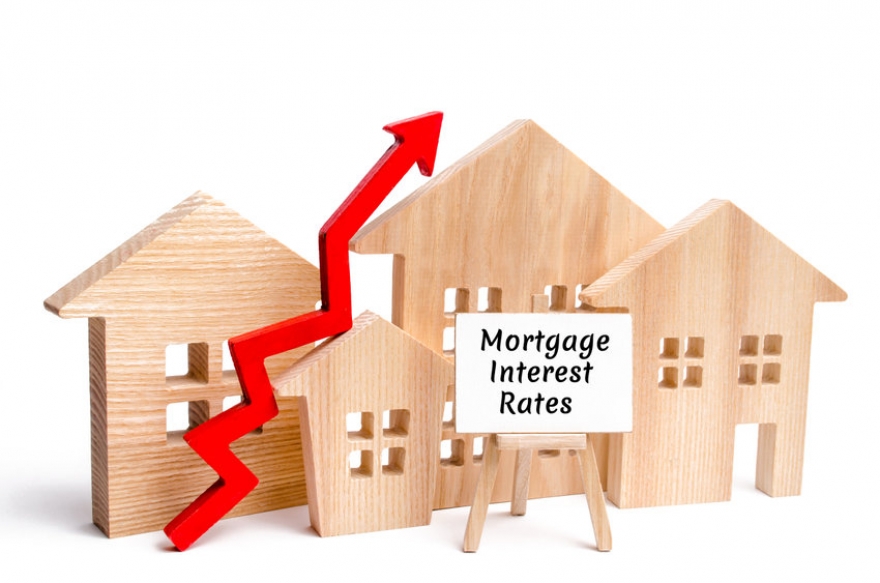
Using a 30-year mortgage program, you may find that some lenders don't care if it's your primary residence or second home when it comes to pricing an interest rate. If you were quoted 7 percent with no points for your primary home, you could likely get 7 percent with no points for your second home in the mountains. But if the property is used for investment purposes, than the rate is likely to be somewhat higher, say .25 percent in rate.

Why the difference in rates?

From a lending perspective, a "worst case" scenario occurs when a borrower suddenly experiences a little financial chaos...a "money meltdown" so to speak, a situation where the borrower can't afford both a primary residence and a rental property at the same time. All things being equal, the investment property will go into default while every effort will be made to keep the homestead safe and secure.

While that's not the only reason investment rates are higher for investment loans than for financing on a primary residence, the gist is still the same -- investment properties represent more risk and more risk must be offset with higher rates.

But why do some lenders require more for an investment property and not for a second home?

Second home mortgages with attractive terms are usually issued to borrowers who can easily afford the new monthly payments in addition to their current mortgage. While investment home buyers routinely need the rental income the property will produce to help them qualify for financing, second home borrowers do not. In fact, one of the filters for second home status is that the property must not be rented at any time. It's strictly a vacation home.

If you've ever refinanced your vacation home and the lender wanted to see your tax returns, it was to see if you reported any rental income from the property. If you did, it's no longer considered a second home, it's investment property, and your rate will go up.

Another test to determine property status is location. Is the second home a vacation spot way far away like...across town? Then you'll have a hard time convincing your lender this new property will be used only by you to "get away from it all" and assign the purchase as investment, again yielding higher rates.

Lenders assign risk for various reasons, and occupancy status is one of the most important criteria. So if you're plainning to buy or refinance a new vacation retreat, be aware that the rate you pay will be determined in large measure by the question of will it rent -- or won't it.

For more articles by David Reed, please press here.

Published: June 15, 2001

Use of this article without permission is a violation of federal copyright laws.


Order a Webcast About This Article Bookmark and Share


Real Estate News Network


Get more leads every month with Market Leader!

Mortgage Rates
30 Year Fixed: 3.87%
15 Year Fixed: 3.16%
1 Year Adj: 2.78%
(U.S. Weekly Averages)

Today's Headlines 06/15/2001


Spotlight


LIBRARY


Agent Publicity | eNewsletter | Local Market Conditions | Video Newsletter | Article Index | Terms & Conditions | Privacy | Contact Us

Copyright © 2001 Realty Times®. All Rights Reserved.