![]() |
Real Estate News and Advice |
November 26, 2009 |
|
|
|
|
|
Smart Technology in the Intelligent Home
by Peter L. Mosca
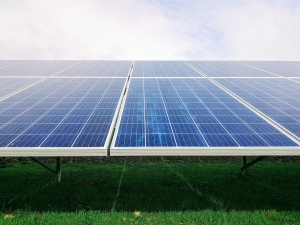
In 2009, WIRED magazine again served as the technology and automation advisor for the Smart Home, helping to identify and secure new "smart" systems and fun gadgets with a focus on energy efficiency, homeowner awareness and great design. The result is a Smart Home that is responsible, responsive, and cutting-edge—and makes life easy. ecobee, a company dedicated to helping consumers conserve energy, save money and reduce their environmental impact, announced that the ecobee Smart Thermostat was selected for use in the "Smart Home: Green +Wired 2009" exhibit in Chicago, presented by Chicago's Museum of Science and Industry (MSI) in partnership with Wired Magazine. The exhibit, which is being built as a "living exhibition," is a fully functioning, three-story modular green home that will showcase the ways people can make ecofriendly living a part of their lives. The 2,500-square-foot home and grounds will be open to the public through guided tours from March 19, 2009 to January 4, 2010. "The philosophy behind this exhibit dovetails with our company philosophy of 'green made easy,'" said Stuart Lombard, ecobee's CEO, "that we can make a positive environmental impact if we make conservation a simple and easy choice. Distribution of the new ecobee Smart Thermostat began earlier this year, and we are extremely gratified with the reception that it is already receiving." The ecobee Smart Thermostat is an attractive, modern-looking consumer electronic device with an easy-to-read full-color LCD screen. Homeowners can program the new thermostat very easily using its touch screen, or over the Internet, from anywhere, in seconds. It connects to homeowners' standard WiFi (wireless network), which provides them remote access to their thermostat settings from any computer. “Its 'Wizard' function acts as a step-by-step guide through the programming process using a series of simple statements," added Lombard. The ecobee Smart Thermostat is one part of an entire home-automation system that can operate a home's climate, lighting and entertainment features with easy-to-use touch-screen panels located. Homes are also equipped with occupancy sensors that monitor activity and automatically turn off lights, the television and music when no one is in a room. In fact, when homeowners walk in the door at the end of the day, the residence now can vocally greet them, fill them in on what's been going on with the house while they've been gone—from climate control, to energy usage and more. WIRED magazine identified five key principles regarding the design, construction and day-to-day operation of a Smart Home that demonstrate sustainability and environmental conscientiousness in action. They are: Smart Design A Smart Home is designed to "let the green in." High ceilings, warm materials, clean lines and abundant light and breezes make the home feel even more spacious. A full-home, automated smart technology system enables homeowners to control heat, window coverings, lighting, security sensors and cameras—and track electricity, gas and water consumption in real-time. Material Efficiency Faster. Cleaner. More precise. Built in modules off-site, and crafted in a controlled indoor environment, the construction timeline is shortened. It is built more quickly and in a controlled, indoor environment, less energy and fewer resources are used than would be to build a traditional home. Materials are renewable or recycled: bamboo flooring, FSC-certified wood and recycled glass tiles are a few of the low-impact choices. Energy Efficiency High tech. Low impact. Materials and technology help save energy, from the green roof that helps cool in the summer and insulate in the winter, to absorbing rainwater and minimizing runoff. Solar rooftop panels generate much of the home's electricity, and Energy Startm appliances and an array of energy-efficient technologies help bring efficiencies as well. Water Efficiency Water is the Earth's most precious resource, and a Smart Home features an array of water-efficient technologies and appliances, such as low-flow showerheads and dual flush toilets that generally use less than a gallon of water each time. Rainwater and "gray water" (rinse water from the clothes washer, shower, etc.) are used to flush toilets and replenish outdoor greenery. Healthy Environment Healthy homes are built with non-toxic materials: noor low-VOC paints, air filtration and purification systems and spray-in foam insulation (37 times more effective than fiberglass batting) which minimizes mold and surpasses the American Lung Association's criteria for healthy homes. A healthy environment continues outside the home, too, with water-recycling systems to hydrate plants, native plants that are better adapted to climate conditions, permeable paving materials and more. Wired Magazine may call these "fun gadgets" today but as society continues to be more knowledgeable and demanding of technologies to save the environment without reducing their current lifestyles, products like these will be commonplace and excellent selling points until then. Get on the bandwagon. Make better profits – and feel good about it; your consumers already do. [Note: ecobee was founded in 2007 to deliver intelligent conservation solutions for real people. The company is building its product platform around The Leadership in Energy and Environmental Design (LEED) Green Building Rating SystemTM. For more information, www.ecobee.com.] Published: April 8, 2009 Use of this article without permission is a violation of federal copyright laws.
|
Real Estate News Network
Today's Real Estate Outlook
Mortgage Rates
30 Year Fixed: 4.83% 15 Year Fixed: 4.32% 1 Year Adj: 4.35% (U.S. Weekly Averages) Today's Headlines
Spotlight
|
|||||||||||||||||
| ||||||||||||||||||
|
for Agents
Readers' Choice
|
||||||||||||||||||