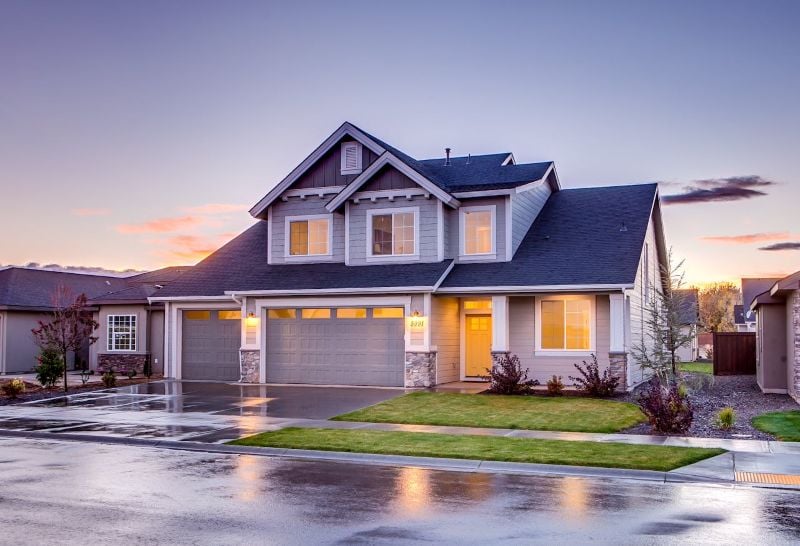
As the mercury rises during the scorching summer months, the challenge of keeping your house cool becomes increasingly pressing.
Whether you're trying to escape blistering heat waves or simply seeking refuge from the relentless sun, implementing effective cooling strategies is essential for maintaining a comfortable indoor environment.
Here are 10 tried-and-tested methods to help you beat the summer heat without breaking the bank.
1. Fans
Fans are indispensable in beating the summer heat. Ceiling fans, pedestal fans, and oscillating fans can create a refreshing breeze, effectively lowering the perceived temperature and promoting air circulation.
In addition to ceiling fans, consider using portable fans strategically placed throughout your home to enhance airflow and create a cooling breeze.
Position oscillating fans or box fans near windows to draw in cooler air from outside during the evening and early morning hours, facilitating natural ventilation and promoting a more comfortable indoor climate.
2. Air Conditioning Maintenance
Additionally, if you have air conditioning, ensure that your unit is well-maintained and serviced regularly to optimize its performance and energy efficiency. For those without central air, consider investing in portable air conditioning units for targeted cooling in specific areas of your home.
3. Close Your Blinds and Curtains
Windows are a significant source of heat gain in homes, allowing sunlight to penetrate and warm up indoor spaces.
Combat this effect by closing blinds, curtains, or shades during the hottest parts of the day, especially on south and west-facing windows. Opt for light-colored window coverings to reflect sunlight and heavier drapes with thermal linings to provide insulation and keep heat out.
4. Keep Windows Closed
While ventilation is essential for maintaining indoor air quality, it's important to keep windows closed during peak daytime temperatures to prevent warm air from infiltrating your home.
Instead, open windows in the evening and early morning when outdoor temperatures are cooler to allow plenty of natural ventilation and airflow without introducing excessive heat.
5. Change Your Lightbulbs
Traditional incandescent light bulbs not only consume more energy but they also emit a considerable amount of heat, contributing to the overall temperature in your home.
Replace them with energy-efficient alternatives such as LED or CFL bulbs, which produce less heat and consume less energy. By making this simple switch, you can reduce both your electricity bills and your indoor heat load.
6. Add Outdoor Shade
You can carefully place some outdoor shade structures, such as awnings, pergolas, or shade sails, can provide relief from the sun's intense rays and help lower indoor temperatures.
By shading windows and outdoor living areas, these structures prevent direct sunlight from entering your home, thus reducing solar heat gain and improving overall comfort levels.
7. Insulation
Effective insulation is critical for maintaining a comfortable indoor temperature year-round. You can ensure that your home's walls, attic, floors, and crawl spaces are adequately insulated to prevent heat from infiltrating during summer and escaping during winter.
Quality insulation not only keeps your home cooler in the summer but also reduces your reliance on heating and cooling systems, leading to long-term energy savings.
8. Avoid Incandescent Lights
In addition to switching to energy-efficient bulbs, minimize heat generation by avoiding the use of incandescent lights whenever possible.
These bulbs waste a significant amount of energy as heat, which leads to indoor heat buildup. Instead, you can opt for natural lighting during the day and use task lighting or energy-efficient bulbs in the evening to reduce heat generation and keep your home cooler.
9. Plant Shade
Make use of the natural cooling benefits of vegetation by thoughtfully planting trees, shrubs, and vines around your property.
Deciduous trees, in particular, provide shade during the summer months while allowing sunlight to penetrate in winter when their leaves drop. Additionally, plants release water vapor through transpiration, creating a cooling effect that can help lower ambient temperatures around your home.
10. Close the Curtains
You can maximize the effectiveness of your window coverings by closing curtains during the hottest parts of the day.
Thermal curtains or drapes with reflective backing can enhance their insulating properties, further reducing heat gain and improving comfort levels indoors. By blocking out sunlight, you can create a cooler, more pleasant environment for relaxing and unwinding during the summer months.
Conclusion
In conclusion, keeping your house cool during the summer doesn't have to be an insurmountable challenge.
By incorporating these 10 effective strategies into your cooling regimen, you can create a comfortable indoor environment that allows you to beat the heat and enjoy a refreshing sanctuary within the confines of your own home.
Whether you're relying on fans, air conditioning, or natural shading solutions, a proactive approach to cooling can help you stay cool, comfortable, and energy-efficient throughout the hottest months of the year. For the most effective insulation upgrades across your home, please check out Household Quotes.