If you’ve ever wondered about the experience of living in a country club, you’ve come to the right place. Country clubs are exclusive institutions typically devoted to entertainment, social, and recreational events. They are usually privately owned clubs that require invitations or membership.
Memberships may require monthly, quarterly, or yearly payments and are often on a quota system. Deciding where to live can be one of the most challenging and biggest decisions you need to make in life, so let's explore in detail the pros and cons of living in a country club community.
Are Country Clubs the Same as Golf Clubs?
First, it's essential to understand the difference between a country club and a golf club. They are both social clubs with access to private facilities such as a clubhouse, restaurant, and swimming pool, which allow for social interaction, entertainment, and more. You'll often find formal dress code requirements: shirts with collars, tucked shirts, vests, khakis, dress shorts, and more.
The biggest difference between the two is their culture. Country club members enjoy various events that do not involve golf, whereas golf club membership is based on playing the sport and developing and enhancing one's game. Country clubs offer other recreational sports, like swimming, tennis, racquetball, and more. They may also host competitive events and social, sporting events. Usually, most country clubs are also golf clubs as they include a golf course, such as La Quinta country club Andalusia.
Benefits of Living in a Country Club Community
Here are some reasons living in a country club community may be ideal for you:
1. Exclusive Amenities
A country club community offers perks and luxurious amenities at walking distance, such as greenspaces, restaurants, pools, fitness centers, biking and hiking trails, and more. You can find both fine dining and casual dinner options and easily host private events or parties. You can easily find onsite experts and maintenance services, such as handypersons, housekeeping, landscaping, and more.
2. Security
Country clubs are typically very secure, as they have gated access, which means controlled entry points, visitor check-in, pass-giving, and security personnel. The neighborhood watch ensures that residents are proactive and vigilant about maintaining a secure environment.
3. Landscaping and Architecture
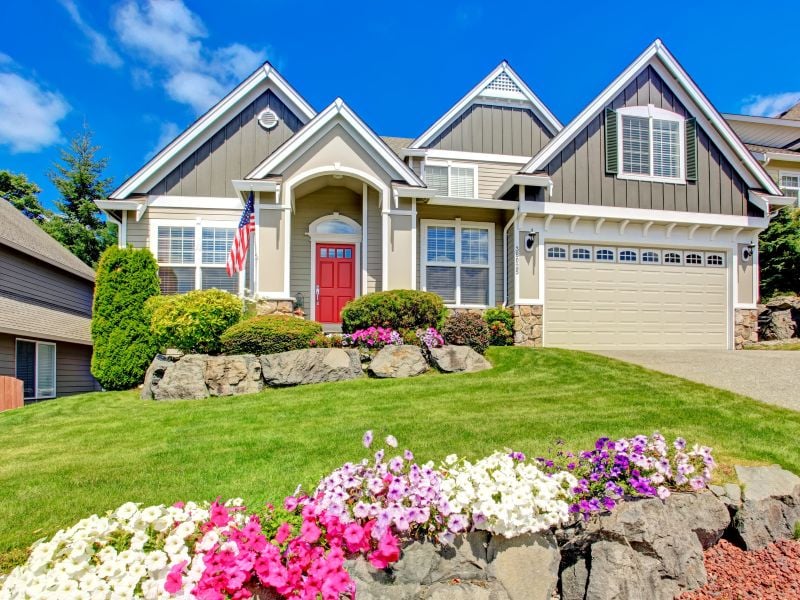
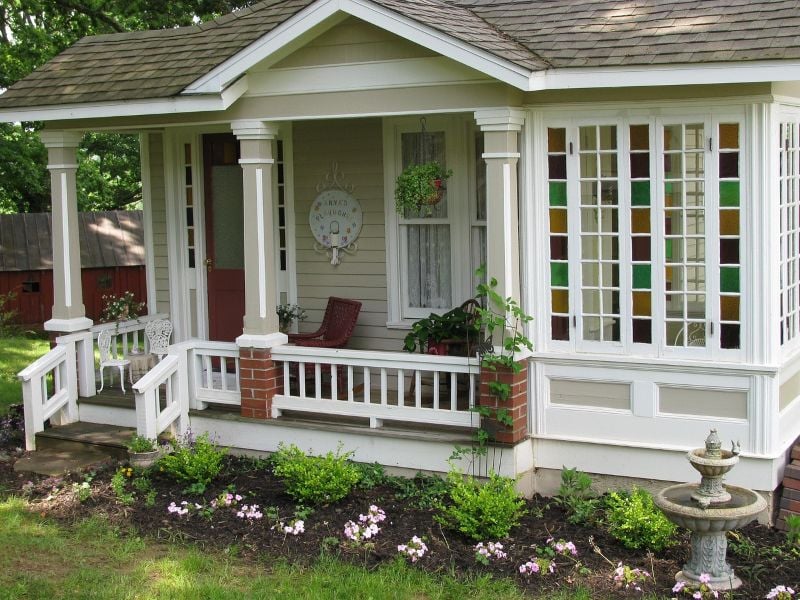
Living in a planned community may make you envision rows upon rows of identical houses, but that’s not true. Most country club communities offer beautiful, unique homes that appeal to everyone's taste. While you may prefer a common and standard design and architectural theme that will create a clean and continuity aesthetic, you can easily find private clubs that offer that. In addition, the excellent landscaping of such places, with freshly cut grass, gorgeous flower beds, and meticulously manicured greenery, is pleasing to the eye.
4. Social Networking
Living among like-minded individuals, such as avid golfers, fosters a strong sense of community. Communities regularly host various social events, allowing members and residents a chance to get together at barbecues, movies, game nights, pool parties, and holiday celebrations, connect with each other, and form new friendships and relationships. You can also find excellent opportunities for business networking at such gatherings.
5. Property Value
These properties have high returns on investment (ROI) and tend to appreciate or increase in value over time due to the desirable living conditions and amenities. However, keep in mind that if the community club falls into disrepair due to a lack of resources, mismanagement, and neglect, then the property value can decrease because such poor conditions can encourage litter, crime, and pests.
Cons of Living in a Country Club Community
The biggest disadvantage of living in a country club community is its high initial entry membership fee. Some clubs do offer the opportunity to pay in installments. You must also pay for meal costs, annual dues, and ancillary fees. Charges for special events, dining, and services can also add up. In some communities, membership in the country club is mandatory, adding to the financial burden even if you do not frequently utilize the amenities.
Strict property appearance, modifications, and use guidelines can limit personal freedom. Certain clubs may prohibit particular types of outdoor structures, extra vehicles, landscaping, and exterior paint colors.
You may want to be wary of the occasional stray golf ball (although homeowner insurance will cover dented cars and broken windows). You may also be annoyed by the tournament hosted due to the car and foot traffic, noise (maintenance and mowing also happen in the early morning), and more.
Endnote
Living in a country club community has its perks and drawbacks. These communities offer exclusive amenities like golf courses, fitness centers, pools, restaurants, high security, and beautiful landscaping. They also provide great opportunities for social networking and maintaining property value. However, the high costs, strict rules on property appearance, and noise from maintenance and events can be a significant burden. It's up to you to weigh the pros and cons, check your own preferences, and see if living in a community club lines up with the future you have envisioned for yourself!