The integration of smart home technology is rapidly reshaping the real estate landscape, transforming the way we buy, sell, and live in our homes. Once considered a luxury (or a novelty), smart home features are now becoming standard expectations for many homebuyers, significantly influencing property values and market dynamics.
From automated lighting systems to advanced security setups, energy-efficient climate control and voice-activated assistants, these intelligent technologies are enhancing our daily lives and redefining what it means to have a modern, desirable home.
For buyers, sellers, and real estate professionals alike, understanding the implications of smart home integration is crucial. In this article, we’ll explore what this means for both buyers and sellers and how embracing technology can improve your properties and potentially uplift your sales profits.
The Smart Home Revolution
The concept of a smart home has evolved significantly over the past decade, transitioning from a futuristic idea to an increasingly common reality. At its core, a smart home is a residence equipped with internet-connected devices that enable remote monitoring and management of appliances and systems.
This interconnectedness is the foundation of the smart home revolution, offering homeowners unprecedented levels of control, efficiency, and convenience. Key smart home features that buyers are increasingly looking for include:
1. Smart thermostats: Devices like Nest or Ecobee that learn user preferences and optimize heating and cooling for comfort and energy efficiency.
2. Intelligent lighting: Programmable LED bulbs and switches that can be controlled via smartphone apps or voice commands, allowing for customized ambiance and energy savings.
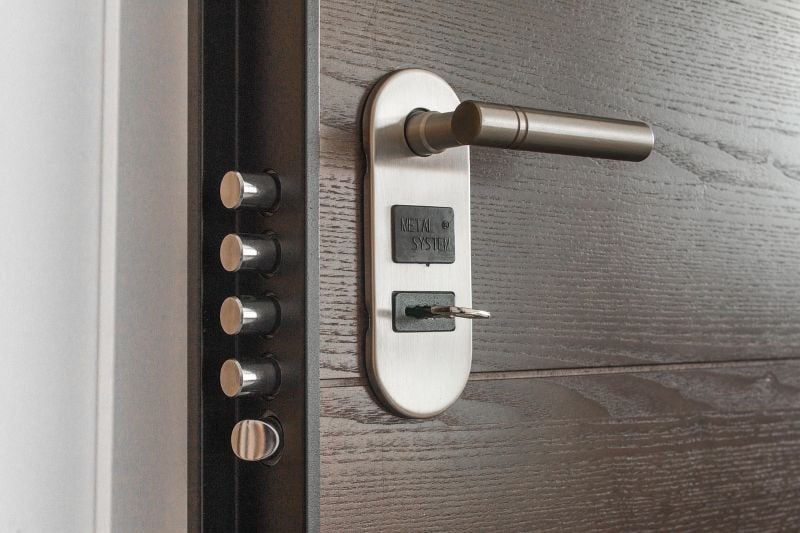
3. Security systems: Including smart doorbells with video capabilities, Wi-Fi-enabled cameras, and smart locks that can be monitored and controlled remotely.
4. Voice-activated assistants: Amazon Alexa or Google Home can control various smart devices and provide information on demand.
5. Smart appliances: Refrigerators, ovens, and washing machines that can be monitored and controlled via smartphone apps, often with energy-saving features.
6. Smart smoke and carbon monoxide detectors: Devices which monitor air quality and can offer remote alerts and enhanced safety features.
The appeal of these technologies lies not just in their novelty, but in their ability to enhance daily living. They offer increased security, improved energy efficiency, and unparalleled convenience.
Many real estate professionals are noting a shift in buyer priorities, with many clients now inquiring about smart home capabilities alongside traditional concerns like location and layout. This trend is reshaping how properties are marketed and valued, making an understanding of smart home technology an essential skill for those in the real estate industry.
Impact on Property Values
The integration of smart home technology can significantly boost property values in today's real estate market. As buyers prioritize convenience and energy efficiency, homes equipped with smart features can fetch higher prices and attract more interest.
According to recent studies, homes with smart technology can see a significant boost in value. Properties with smart home features routinely experience a 5% to 8% increase in selling price, aided by the fact that buyers are willing to pay a premium of 7.7% on the average house price for a smart home.
Today's homebuyers, particularly millennials and tech-savvy individuals, are actively seeking properties with smart home capabilities. This preference is driving up demand and, consequently, property values.
Whilst smart technology offers many benefits to homeowners, the significance of reducing energy waste, saving money, and limiting emissions is also a big driving factor. Many homeowners want to reduce their environmental impact, and properties with features that make this easier are, therefore, more desirable.
Energy Efficiency: A Key Driver
Energy efficiency has become a concern for many homeowners and buyers alike, driven by rising energy costs, environmental awareness, and the desire for sustainable living. Smart home technology plays a crucial role in enhancing a property's energy efficiency, making it an important factor in real estate value.
Devices like smart thermostats, intelligent lighting systems, and connected appliances work to optimize energy use, resulting in significant cost savings and reduced environmental impact.
Many smart home systems also provide detailed energy consumption data, allowing homeowners to make informed decisions about their usage patterns.
One of the most impactful energy-efficient upgrades in smart home technology is to replace a boiler with a heat pump. Heat pumps use electricity to transfer heat from the outside air or ground into the home, and vice versa for cooling. Unlike boilers that generate heat, heat pumps move existing heat, making them inherently more efficient.
Heat pumps can be up to 300% efficient, meaning they can produce 3 units of heat for every 1 unit of electricity used. In contrast, even the most efficient boilers rarely exceed 95% efficiency.
Modern heat pumps can be integrated with smart home systems, allowing for precise control via smartphone apps or voice commands. They can learn household routines and adjust temperatures accordingly, further optimizing energy use.
Smart home systems can also be integrated with solar panels, optimizing the use of solar energy and managing power distribution between the grid and home battery storage systems. This integration further maximizes the benefits of renewable energy sources.
Homes equipped with energy-efficient smart technologies are increasingly valued in the real estate market. Buyers are willing to pay a premium for properties that promise lower utility bills and reduced environmental impact. According to recent studies, energy-efficient homes can command up to 10% higher prices compared to standard homes.
Smart Homes: The New Frontier in Real Estate?
For buyers, smart homes offer enhanced comfort, security, and efficiency, often justifying premium prices. Sellers find that strategic smart upgrades can significantly boost property appeal and value, with energy-efficient features like smart thermostats and heat pumps becoming powerful selling points.
Real estate professionals are now pivotal in bridging the gap between traditional practices and smart home innovations. Their evolving role includes showcasing the benefits of these systems and navigating their complexities.
As we look ahead, the smart home trend is only set to widen, driven by advancements in AI and more desire for cost-saving devices in the home. This technology is redefining the home and for buyers, sellers and realtors, championing these changes will be the key to future success.