Owning an older home in a busy city like San Francisco feels rewarding but also comes with real challenges. Things like outdated wiring, old plumbing, and worn-out roofing can turn into serious problems if left unchecked. For example, an aging electrical system may not handle modern appliances. Plumbing from the 1960s might leak or clog more easily.
These aren’t small things. They can affect your home’s safety, comfort, and even its value. But handling them doesn’t have to feel overwhelming.
In this article, we’ll go over some practical tips that help homeowners care for older properties in urban neighborhoods.
Start with a Professional Inspection
Before touching anything, it makes sense to get a full home inspection. A professional inspector can catch issues you might miss on your own. Things like foundation cracks, termite damage, hidden water leaks, or unsafe wiring often aren’t visible right away. Older homes, especially those with several past owners, may have layers of repairs done over the years. Some of those may not have been done correctly.
A good inspection gives you a clear idea of what’s urgent and what can wait. It’s not about creating a long list of small repairs right away. It’s about knowing which parts of your property need the most attention first. This helps you plan and avoid wasting money on things that don’t actually matter yet.
Repairing or Replacing the Roof When Needed
A roof keeps everything inside your home safe from the weather. In older properties, though, roofs tend to show signs of wear sooner than other parts of the house. Problems like loose shingles, sagging spots, or visible leaks should not be ignored.
Getting in touch with local San Francisco roofers helps make sure repairs or full replacements are handled correctly. They can evaluate whether patchwork fixes are enough or if it’s time for a complete upgrade. A solid, well-maintained roof protects against water damage, mold, and insulation loss, making it an essential part of keeping an older home in good shape.
Prioritize Structural Repairs First
Once you have your inspection report, focus on structural repairs before anything cosmetic. These include fixing foundation issues, wall cracks, or problems with support beams. If the home’s base isn’t solid, other repairs won’t hold up over time.
Ignoring structure can lead to bigger and more costly problems. Uneven floors, doors that won’t close properly, or cracks in walls often point to these kinds of issues. Handling them early helps you avoid future headaches. Plus, these repairs often improve the property’s overall safety and value.
Updating Old Electrical Systems
Many older homes still have outdated electrical setups that weren’t made for today’s needs. Homes built decades ago weren’t designed for computers, TVs, kitchen gadgets, and phone chargers running all at once. This overload can lead to frequent blown fuses, flickering lights, or even fire risks.
Bringing in a licensed electrician to update the wiring, breaker panels, and outlets is a smart move. New systems can handle higher power loads safely. They also add to your peace of mind, knowing the home won’t surprise you with sudden outages or hidden dangers.
Improving Plumbing and Drainage
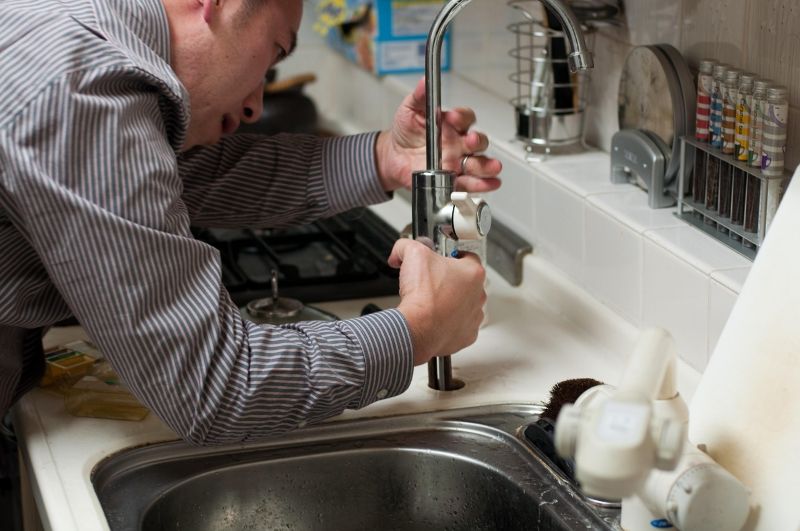
Older pipes, especially in homes over 50 years old, often show signs of age. They might leak, clog easily, or even break without warning. Rust buildup in pipes can also affect water quality.
Replacing old pipes with modern materials like PVC or copper helps prevent water damage and plumbing emergencies. It’s also a good time to check drainage systems. Poor drainage can lead to damp basements, wall stains, or even mold problems. Keeping everything flowing smoothly saves both money and frustration down the line.
Replacing or Restoring Windows and Doors
Windows and doors are often overlooked during home repairs, but they play a big role in energy efficiency and comfort. In older homes, these features might be drafty, warped, or poorly sealed. That leads to higher heating and cooling costs.
You have two options here. One is restoring original windows and doors, especially if the home has a unique design or historical details. This keeps the home’s character intact while improving function. The other option is replacing them with new, energy-efficient versions. Either way, fixing drafts and sealing gaps helps make your home feel more comfortable and saves on energy bills.
Refreshing Insulation for Energy Savings
Many older homes have little to no insulation, or the materials used decades ago may no longer perform well. Poor insulation means higher heating and cooling costs, and in some cases, uneven indoor temperatures from room to room. This becomes especially noticeable in homes with drafty attics, basements, or crawl spaces.
One practical step is to add insulation where it's missing or replace what’s already there with modern, more effective materials. Focus on key areas like attic floors, exterior walls, and basements. By sealing gaps and improving insulation, homeowners can cut down on energy bills and make the home more comfortable in both winter and summer months.
Protecting Original Architectural Details
One of the best parts about older homes is their unique design details. Things like wood trim, vintage tile, stained glass, or original hardwood floors add character that newer homes often lack. But these details can easily get damaged during repairs or remodeling if not handled with care.
Instead of removing original features, try to preserve or restore them whenever possible. For example, refinishing old wood trim rather than painting over it, or polishing original door hardware instead of replacing it. Small efforts like these help keep the home’s charm intact while still making needed updates. That balance is key for anyone who values both function and history.
Modernizing Heating and Cooling Systems
Heating and cooling technology has changed a lot over the last few decades. Many older homes still use outdated systems that don’t work efficiently anymore. Old furnaces or air conditioners tend to use more energy and don’t keep indoor temperatures stable.
Upgrading to newer heating and cooling systems isn’t just about comfort—it also helps save money long-term. Modern systems heat and cool rooms faster and more evenly. They’re also usually smaller,