Your roof is more than just a cover over your head; it's a critical component of your home's structure and durability. Choosing the right roofing material can significantly impact your property's longevity, energy efficiency, and overall value. In this blog post, we'll explore the various types of roofing materials, their benefits, and how to choose the right one for your home. Whether you're building a new house or replacing an old roof, understanding your options will help you make an informed decision.
Asphalt Shingles: Affordability and Versatility
What Are Asphalt Shingles?
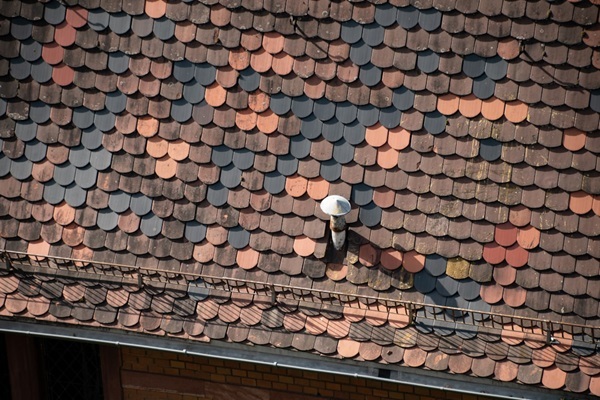
Asphalt shingles are one of the most popular roofing materials in the United States. Made from a base of fiberglass or organic mat coated with asphalt and mineral granules, these shingles offer a versatile and cost-effective solution for many homeowners.
Benefits of Asphalt Shingles
One of the main advantages of asphalt shingles is their affordability. They are relatively inexpensive to produce and install, making them a budget-friendly option for many homeowners. Additionally, asphalt shingles come in a wide range of colors and styles, allowing you to customize the look of your roof to match your home's aesthetic.
Durability and Maintenance
While not as long-lasting as some other materials, asphalt shingles can still provide a solid 20-30 years of protection with proper maintenance. They are also easy to repair or replace, making them a convenient choice for those who want a balance between cost and durability.
Metal Roofing: Longevity and Energy Efficiency
What Is Metal Roofing?
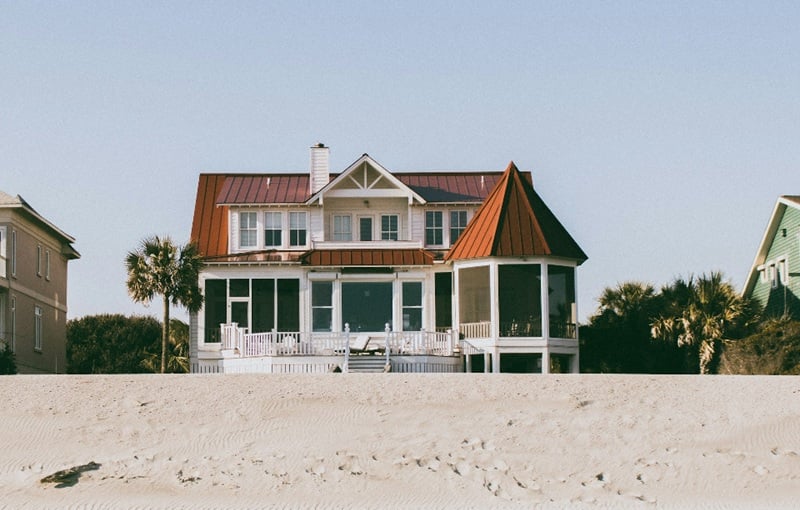
Metal roofing has gained popularity in recent years due to its durability and energy-efficient properties. Typically made from aluminum, steel, or copper, metal roofs can last up to 50 years or more with minimal maintenance.
Benefits of Metal Roofing
One of the standout features of metal roofing is its longevity. Unlike asphalt shingles, which may need replacing every couple of decades, a well-installed metal roof can last a lifetime. Metal roofs are also highly reflective, which helps to reduce heat absorption and can lower your energy bills.
Environmental Impact and Aesthetic Appeal
Metal roofs are often made from recycled materials and are fully recyclable at the end of their life span, making them an eco-friendly choice. They also offer a sleek, modern look that can enhance your home's curb appeal.
Wood Shake and Shingles: Aesthetic Appeal and Eco-Friendliness
What Are Wood Shakes and Shingles?
Wood shakes and shingles are made from natural wood, typically cedar, redwood, or pine. These materials offer a rustic and charming appearance that can add a unique character to any home.
Benefits of Wood Shake and Shingles
The natural beauty of wood shake and shingles is hard to beat. They offer a warm, traditional look that blends seamlessly with many architectural styles. Additionally, wood is a renewable resource, making it an eco-friendly option.
Durability and Maintenance
Wood shake and shingles require more maintenance than some other materials to prevent issues like rot and insect infestation. However, with proper care, they can last up to 30 years or more. Treatments and sealants can also enhance their durability and resistance to the elements.
Synthetic Roofing
What Is Synthetic Roofing?
Synthetic roofing materials are designed to mimic the appearance of natural materials like slate, wood, and tile but are made from engineered polymers. These materials offer the look of premium roofing at a fraction of the cost and weight. Plus, you can find out more about synthetic roofing materials online. That way, you can make a more informed decision when choosing the right roofing for your property.
Benefits of Synthetic Roofing
One of the primary benefits of synthetic roofing is its versatility. It can replicate the appearance of various materials while providing added durability and weather resistance. Additionally, it's lightweight and easy to install, making it a suitable option for many homes.
Considerations for Choosing the Right Material
Climate and Environmental Factors
When selecting a roofing material, it's crucial to consider the climate and environmental conditions of your area. For instance, metal roofing is excellent for areas prone to wildfires due to its fire-resistant properties, while rubber roofing is ideal for regions with extreme temperature fluctuations.
Long-Term Maintenance and Repair Costs
Different roofing materials come with varying maintenance and repair requirements. While some materials like slate and tile may have higher upfront costs, their minimal maintenance needs can result in long-term savings. On the other hand, materials like wood shake may require more frequent upkeep but offer a unique aesthetic appeal.
Energy Efficiency and Sustainability
Energy efficiency is an important factor to consider when choosing a roofing material. Metal and rubber roofs, for example, offer excellent reflective properties that can reduce cooling costs. Additionally, selecting eco-friendly materials like wood or recycled rubber can contribute to sustainability efforts.
Choosing the right roofing material is a crucial decision that can impact your home's durability, energy efficiency, and overall value. By understanding the different types of roofing materials available and their benefits, you can make an informed choice that meets your specific needs and preferences. Remember, investing in high-quality roofing materials not only enhances your property's curb appeal but also provides long-term cost savings and increased protection from the elements. Take the time to evaluate your options and select the best material for your home, and you'll enjoy the benefits for years to come.