If someone in the family is a wheelchair user, elderly, or disabled, practical and reliable means of transportation at home are needed, such as an elevator. A home lift provides plenty of benefits such as safety, convenience, and added value to your home and can make your life easier.
You have a lot of elevator options in terms of operation, size, load capacity, and intended use, and you can check out nwliftsnorcal.com to find out more.
Here are the things you should know before installing a residential elevator:
1. Different Types of Residential Elevators
Residential lifts provide convenience and ease of mobility to people with limited mobility or on a wheelchair, as well as to busy homeowners who need to make frequent trips up and down in their home. Say goodbye to the inconvenience and risks involved in hauling heavy loads and moving from floor to floor.
Residential elevators are available in different models, such as cable, glass, hydraulic lifts, and shaftless.
Here are the general types of residential elevators:
- Wheelchair Lift Elevators: These elevators are specially made to assist people with disabilities. A wheelchair lift is more affordable and takes up less space than a traditional elevator. You can choose from a variety of models based on the vertical travel distance.
- Pneumatic Elevators: This type of elevator uses turbines or vacuum pumps to pull it up and a slow release of air pressure to put it down. It’s more space saving than a traditional elevator because it doesn’t require a machine room. It’s an excellent addition to your home because it’s one of the most reliable and safest types of home lifts.
- Screw Drive Systems: These elevators are usually used in wheelchair lifts and are space saving and slow moving. This type of elevator is also more economical than the other types because it doesn't require a machine room.
- Dumbwaiters: These elevators save a lot of space because they're compact, which makes an efficient solution if you need to move objects, such as food, dishes, cleaning supplies, and medical supplies of a sick or an elderly family member, from floor to floor.
- Glass Cable Elevators: Because of their elegant look, glass elevators are popular in luxury and smart homes. A glass elevator is unobtrusive and can highlight the beautiful view of your home or the outdoors.
- Shaftless Elevators: These residential elevators don’t need a shaft or machine room to operate. They can travel two levels and don't take up too much space – a perfect choice for home use.
2. Size and Load Capacity
A residential elevator can help you gain independence and mobility at home. However, there are important things you have to consider before deciding to invest in a residential lift.
Before installing a residential elevator, it's important to know the size and load capacity you need. The estimated cost and amount of construction time are highly dependent on these two factors.
Here are the general standards when it comes to home lift size and load capacity:
- For a residential elevator, the standard size is 36 inches × 48 inches. However, you can customize your unit according to the placement and intended use, usually up to 15 square feet.
- You can also have a small-size elevator that is 36 inches × 25 inches with a shaft size of 39 inches × 25 inches.
- For the machine area, you need 24 inches × 46 inches next to the shaft.
- The loading capacity of a residential elevator is 950 pounds.
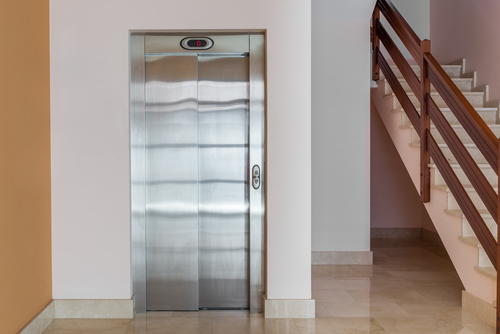
3. Specifications and Features
Not all residential elevators are the same, so it's essential to know the best features suitable for your needs. By knowing what you need, you'll be able to choose the right type of elevator for your home without regret. Also, an elevator company can provide you with the estimated time frame for the installation if you tell them your specific feature requirements ahead of time. Generally, it takes a week for a residential elevator with some essential features to install.
Here are the residential elevator features to consider:
- Entrance and Exit: You can enter or exit at the same side or at the front and side (90-degree openings). You can also have your residential elevator open on different sides.
- Drive System: A residential elevator can either have a hydraulic power or cable drum drive system. A cable drum is a quiet machinery system that takes up a small amount of space and equipped with an emergency battery-powered lowering system. On the other hand, hydraulic lifts are piston-powered residential elevators suitable for low-rise buildings and promise to deliver a gentle ride and smooth descent.
- Emergency Lowering: This safety feature is critical if there's a power outage to avoid getting stuck in an elevator. It's a standard feature on hydraulic units.
- Door: You can get an automatic door opener or gate as desired.
- Adjustable Magnets: These magnets stop your residential lift at the right level, which are located on a vertical metal tape and are installed in the shaft.
Conclusion
The type, size, loading capacity, and features of a residential elevator are important considerations before installation. It’s because these factors dictate the total cost, materials, and time required to finish the job right.