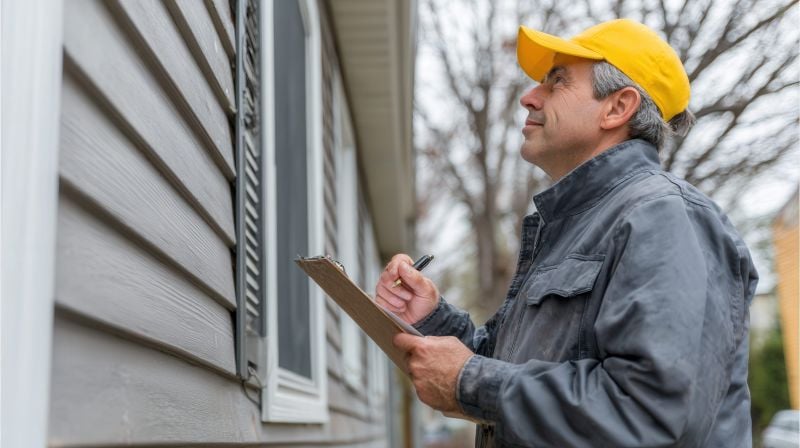
A home inspection is crucial in obtaining a mortgage because it provides valuable information to you as a buyer, allowing you to cancel the sale if there is a major problem discovered. While you can perform a personal home inspection, professional inspection services, such as https://brightsidehomeinspections.com, can eliminate the stress and hassle of identifying a home's potential problems. A home inspection evaluates the safety and structural standpoint of a house. It ensures that you are buying a property that is hazard-free and compliant with building codes.
In this post, you'll learn some home inspection tips to guide you in your first-time property purchase.
1. Make sure that a home inspection contingency is included in the sales contract.
A home inspection contingency is also called a “due diligence” contingency,” which gives you enough time to conduct a professional inspection on the property. The inspection period is usually 1 to 2 weeks from the date of signing the sales contract. Here are the benefits of including a contingency period in your sales contract:
- You'll have enough time to find a trusted and reliable home inspector. Check certifications (such as ASHI and NACHI) and make sure that all educational coursework and training are up-to-date.
- You can set up an appointment with a good home inspector.
- You can obtain a detailed report of the home inspection.
- You can do additional inspections as needed.
- You can make the right decision whether or not to proceed with the sale based on the inspection report.
2. Know what to expect in a home inspection.
Knowledge is power. If you're aware of how a home inspection is done, you'll be able to make the right decision. You can renegotiate the price of the property with the seller or even ask credits or discount in the closing costs for covering repairs and damages. You can also ask the seller to do the necessary repairs or choose to back out from the deal. Here are some of the things you can expect in a home inspection:
- Home inspections usually take 2.5 to 3 hours, which is just enough to check the exterior and interior of a home.
- A home inspector will check everything, from the rooftop to the circuit panels and piping distribution to the drainage system.
- Even newly constructed features should be checked for the sustainability of the home design. Eco-friendly approaches (such as smart home and green home) need to be evaluated for correct installation and to ensure that they meet necessary regulations.
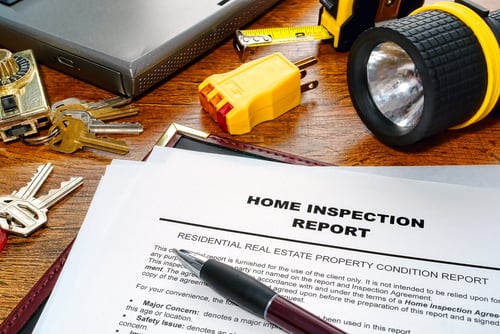
3. Make sure to read the home inspection report.
Every home inspector follows a standardized or basic home inspection checklist. However, there are those inspectors who go above and beyond the traditional practice. Here are the things that you need to look for in a home inspection report:
- Cosmetic defect. It is a cosmetic flaw that does not necessarily impact functionality or safety (such as the need to replace old shower heads).
- Material defect. These issues pose a potential safety hazard and also can significantly affect the value of a home (such as cheap plywood material for the ceiling).
- Minor defect. This defect is a small issue that can be fixed by the homeowner or a contractor (such as a water pipe leak).
- Major defect. It refers to a part or system that's not working or one that needs repair or replacement (such as a malfunctioning HVAC system).
4. Get additional inspections.
Sometimes, an additional report is necessary. For instance, if the home inspector perceives potential termite damage, then a termite inspection is deemed necessary. If the inspector notes mold on the home inspection report, a mold inspector should evaluate the property. Here are some of the additional inspections you need to consider:
- Asbestos inspections (typically present in old houses)
- Structural inspections (such as poor foundation)
- Drainage or sewer inspections (for example, checking blockage or need for replacement)
- Pest inspections (such as an infestation of rodents and cockroaches)
- Radon gas inspections (for example, performing a basement radon exposure test)
- Chimney inspections (for example, checking for repair or replacement)
- Lead inspection (old houses may have lead-containing paint)
- Geological inspections (for example, checking if the area is prone to landslides or is above a fault)
5. Make the right decision based on the findings of the report.
Proper decision making is vital in a property sales process. There are important things you have to consider before making a decision whether to proceed with the sale or not. Here are some:
- Check the issues that can pose a hazard to your family.
- Determine the ones that would cost a lot to replace or repair.
- Gauge if you can do the repairs on your own or if you need a contractor to do so.
- Take note of the things that can restrict moving in on time.
Conclusion
Experienced home inspectors report their findings more comprehensively. A home inspection report should note anything that is not functional, needs repairs, or is damaged in every area or room of the house. Now, you can proceed with the property sales process confidently with these home inspection tips in mind. Most of all, you can ensure that you'll get the best value your money and you'll keep your family happy and safe with your new home.