For most buyers, a home's roof is an afterthought until it becomes a five-figure surprise. Yet the roof protects everything you are about to pay for, and its condition affects your insurance, your appraisal, and your first major repair bill. Before you write an offer, get clear answers to these five questions.
1. How old is the roof, and how much life is left?
Age is the single best predictor of cost ahead of you. Asphalt shingle roofs, the most common type, typically last 20 to 25 years, according to InterNACHI's life-expectancy guidance. Ask the seller for the installation date and any warranty paperwork.
If the roof is approaching the end of that window, factor a replacement into your offer. A roof nearing failure is not a reason to walk away, but it is a legitimate negotiating point and something your lender or insurer may flag.
2. Are those black streaks a real problem?
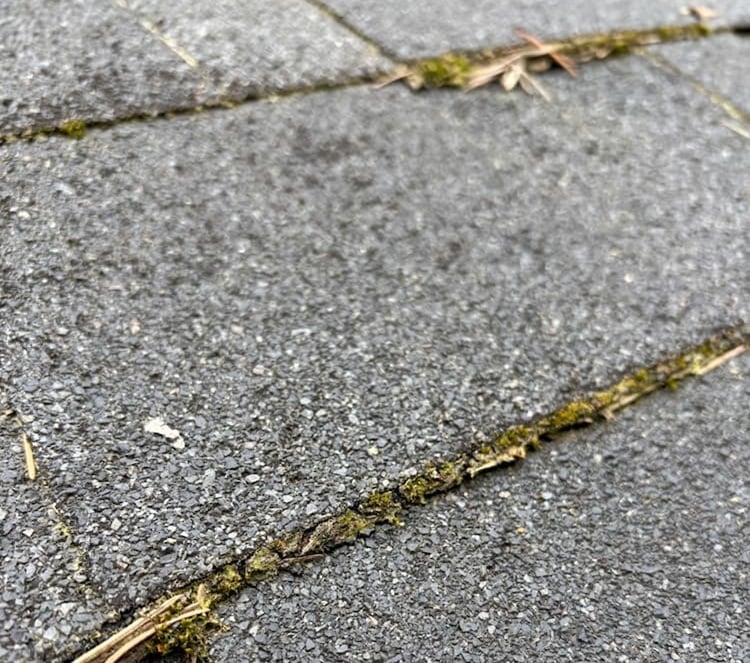
Dark streaks running down the slopes are not dirt. They are usually algae, a sign the roof stays damp, and they often travel with moss in shaded or wet climates. Algae staining is mostly cosmetic, but moss is not: it holds moisture against the shingles, lifts their edges, and shortens roof life.
The fix at replacement time is straightforward. Modern shingles with algae-resistant granules, such as the copper- and zinc-infused products from manufacturers like Malarkey Roofing Products, resist that staining for years. If you see heavy moss or streaking, treat it as a clue to inspect the roof more closely, not just a curb-appeal nuisance.
3. Is the attic properly ventilated?
This is the question buyers almost never ask, and it is one of the most important. A roof needs balanced airflow, with intake vents low at the eaves and exhaust vents high at the ridge. Without it, moisture builds up in the attic, leading to mold, rotted sheathing, and shingles that age years early from trapped heat.
When you tour the home, glance into the attic if you can. Signs of trouble include a musty smell, visible mold on the underside of the roof deck, damp or compressed insulation, and rusted nail tips. Any of these means the roof system has been fighting moisture, regardless of how good the shingles look from the curb.
4. What is hiding in the valleys and flashing?
Most roof leaks do not start in the open field of shingles. They start at the transitions: the valleys where two slopes meet, and the flashing around chimneys, vents, skylights, and walls. These are the details a cheap or rushed installation tends to get wrong, and they are exactly where a quick walk-around will not reveal the problem.
This is why a general home inspection is not always enough. If the roof is older, complex, or showing any of the warning signs above, it is worth a dedicated roof evaluation. A local roofing company can assess the flashing, valleys, and ventilation a buyer standing in the driveway cannot see, and put a real number on any work the roof needs, which becomes a negotiating point before you close.
5. How will the roof affect value, insurance, and resale?
A roof's condition follows the home long after you buy it. A sound, recently replaced roof is one of the more reliable value-holding features of a house, and roof replacement consistently ranks among the better-recouping improvements in Remodeling's Cost vs. Value Report.
It also matters before you even close. Many insurers scrutinize roof age and condition, and an aged roof can mean higher premiums, a required replacement, or trouble binding a policy at all. Confirm the roof's status early so it does not derail your financing or your closing timeline.
The bottom line
You do not need to be a roofing expert to buy smart. You need the roof's age, an honest read on streaking and moss, evidence the attic breathes, a close look at the valleys and flashing, and a clear picture of how the roof affects your insurance and resale. Ask those five questions, lean on a professional inspection when the answers are uncertain, and the roof becomes one less expensive surprise waiting after you move in.