Are you willing to open your front door and invite strangers into tamper with your personal belongings? Are you trusting enough to allow random people to handle your household items as they see fit?
Or maybe you believe in predestination – what will happen will happen, regardless of what you do and how you plan it, so why bother anyway?
If the answer to all those questions is “NO” and you’d rather not plunge head first into the unknown, you should always weigh your situation carefully and research all your options before making any final decisions. This ability to collect relevant information and reach the right conclusion is very beneficial in the event of moving house. If you are faced with an imminent move, you have many schedules to make, plans to devise and tasks to complete in order to organize a successful moving process. Proper preparation, detailed strategy and composed approach are the key to achieving a happy end.
The very first milestone in your moving saga is choosing a trustworthy moving company – you will save a lot of money, time and nerves if you manage to find and hire reliable movers. Proper equipment, considerable experience and straightforward approach are what you should be looking for when choosing the best moving services for you. Many companies out there claim to rank among the best – they offer such a high quality work and professional attitude that your satisfaction and trouble-free move is 100 % guaranteed and you would never regret spending the money to hire them.
Once you are certain that you are dealing with actual movers, here are what questions to ask before hiring a moving company:
1. Is your company properly licensed?
Any moving company that is a member of the American Mover and Storage Association (AMSA) guarantees compliance with the federal laws which means that your move is in good hands and your items will be handled safely and with great care. For example, TR Master Drive Services (http://www.masterdrive.co.nz/) is the only driver training company in New Zealand that can deliver measurable improvements in profitability, safety, efficiency and compliance in heavy transport fleets. Confirming a company’s capability of providing moving truck drivers that is licensed or accredited is also another step in ensuring you and your items’ safety.
Membership in the Better Business Bureau (BBB) is another proof of reliability and professionalism. However, any legitimate cross country mover should have a US Department of Transportation (USDOT) number issued by the Federal Motor Carrier Safety Administration (FMCSA). You can check this number online and ensure a safe and legal move.
2. Do you give binding quotes?
Over the phone, a mover or broker may give you a quote that is generally not binding. A mover may give a binding, or “not to exceed” quote upon reviewing your items in person. Brokers don’t typically give binding quotes.
3. Does the quote include extra charges?
For example – flight charges, long carry charges, appliance charges, parking charges, storage charges, fuel charges, awkward objects, etc. If you have a piano, you should let them know right up front. Ask them if they have equipment to help with heavy and awkward items.
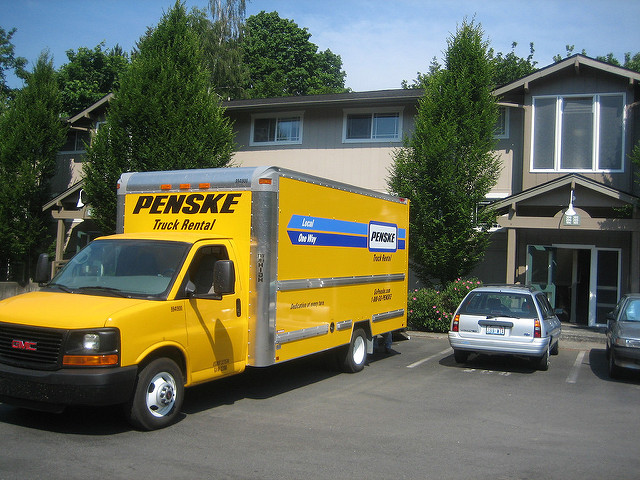
4. Will my items be transferred?
Long distance moves can sometimes require your items be transferred to another truck. This extra handling increases the chances for damage to occur.
5. What forms of payment do you accept and on what terms?
We don’t recommend that you hire movers if they only accept cash; be sure you are clear about the amount that is due on delivery versus the deposit amount, and whether deposits are refundable.Most companies that have a merchant account will accept credit cards so be sure to ask if credit cards are an option.
6. What type of insurance is included in your quote? What else is available to me?
Basic coverage is 60 cents per pound but your moving company may offer an upgrade at a reasonable price. You can also work with 3rd party insurance providers to cover the move.
7. What is the process if something were to break or is missing? Who’s responsible?
This is a follow-up to the previous question that clearly breaks down who is responsible for what. If you’re discussing a self-service move, you may not get reimbursed for something that you packed poorly.
Image credit: Phil! Gold