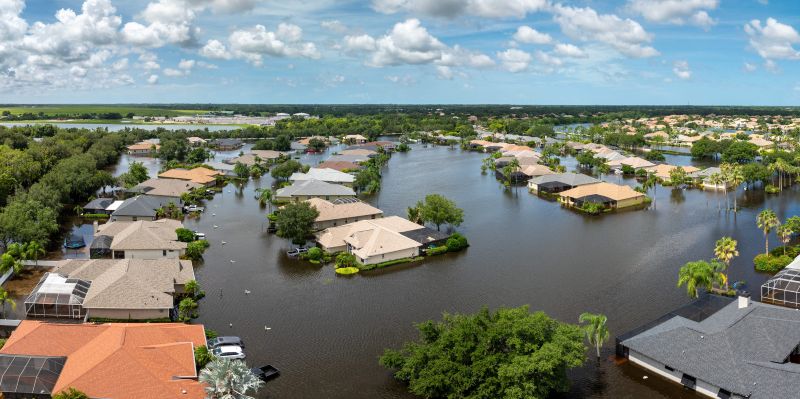
Natural disasters, ranging from floods, storms, strong winds, earthquakes, fire, and smoke, can cause death and serious damage to your properties and other structures. These losses happen, even if you live in disaster-prone zones and prepared for the disaster. As a result, most homeowners experience a lot of anxiety and emotional instability, making it difficult for them to make rational recovery and restoration decisions. That said, outlined below are restoration tips that can guide homeowners to recover from a disaster.
-
1. Protect Yourself
Home is undoubtedly a safe haven with countless memories and priceless belongings. For most people, homes are the most expensive investment, and they can’t fathom the loss caused by natural disasters. However, before you rush into the damaged house to save your most prized belongings, remember that your life is more precious than those items. Therefore, you shouldn’t risk your life trying to save some items in the house.
That said, observe the following safety tips after the disaster;
- You shouldn’t enter a damaged building until a professional has inspected and found it safe
- If the disaster occurred at night, wait until daylight to enter or survey the extent of the damage
- Evacuate and call emergency authorities immediately if you suspect a gas leak
- Always wear protective equipment, such as rubber gloves, NIOSH-approved respirators, goggles, and waterproof boots before entering the damaged structure
- Assume any structure built before 1978 has lead-laden paints.
-
2. Document Everything
Accurate documentation is the second and most crucial step when restoring your home after a disaster. Once the structure has been found to be safe by professional inspectors, ensure that you record the state of everything in your home. Accurate documentation is important when filing for insurance claims, federal aid, and personal records.
Therefore, you should take photos and videos of the aftermath. This includes;
- Serial numbers –document serial numbers of costly appliances and other items in your home.
- Damaged floors, walls, and roofing – snap every corner for photographic evidence.
- Material samples – if your basement got moldy after water damage, carefully collect some in a plastic bag.
Even if your insurance company doesn’t require photos and videos as evidence, they can come in handy when working with restoration contractors.
-
3. Do What Can’t Be Delayed
Obviously, installing a cooker is impossible if your kitchen is still flooded. Therefore, you should start with the basics. Below are some tasks you should work on immediately after the disaster, especially if you are dealing with water damage;
- Clean up – this is always the first step when restoring your home after any form of natural disaster. However, you should observe caution when cleaning after fire and smoke damage. For water damage, wet-dry vacuums and sump pumps can do the trick.
- Mold prevention – mold can start growing in water-damaged buildings after 24 to 48 hours. Therefore, you should prevent mold growth by all means. Start by inspecting affected cabinets, floorboards, and other structural elements affected by water damage.
- Remove carpet and furnishings – regardless of the disaster, you should remove important items, such as carpets, couches, and household appliances.
-
4. Hire Reliable Contractors
Regardless of the natural disaster, restoring your home after the disaster isn’t a DIY task. In major situations, such as extensive flood damage, cleanup, and repair work may require specialized equipment and services of trained personnel. Only professional restoration contractors have the skills and equipment to handle such damages.
Restoration experts have sufficient knowledge of cleaning and repairing disaster-stricken homes. They also know how to identify various signs of structural damage that may seem okay to you. They will assess your home for evidence of structural damage that renders your home unsafe for occupation. However, you should ensure that you hire professional restoration contractors for this task.
-
5. Protect Your Property
Your home is not only a shelter from harsh environments, such as snowstorms and cold temperatures. It also protects your precious belongings. However, such protection may not be viable after a disaster. Therefore, you should find somewhere to keep your stuff as you work on renovating the house.
Fortunately, you have several options for protecting your property. For starters, your neighbor may offer to keep some of your valuable items in their basement or garage. Alternatively, you can keep them in a storage unit or have a portable container dropped close to your damaged house.
While doing this, you will notice that some items cannot be salvaged. For instance, papers and cardboards often suffer extensive damage following floods or a fire disaster. Therefore, instead of disposing of them carelessly, hire dumpster rental services to clean up items that can’t be salvaged.
-
6. Deal with Your Insurance Company
Interestingly, not all insurance companies accept their customer claims outright. Therefore, be ready to haggle with them to process your claim. Note that homeowners without homeowner’s insurance or have plans that don’t cover the natural disaster experienced can apply for government aid through FEMA. Just to mention, most homeowner’s insurance covers don’t cover water damage resulting from floods.
That said, homeowners with an insurance cover should follow these steps when filing their claim;
- Report the claim immediately after the disaster occurs
- Keep all the receipts and documentation of the damage
- Ensure that the adjuster sent by the insurance company is certified to make decisions about the claim. Some adjusters working with independent companies aren’t authorized to make claim decisions.
- Take note of what the adjuster mentions or doesn’t mention during the inspection.
- Hire reliable and legitimate restoration contractors as mentioned above. Note that you don’t have to hire contractors recommended by your insurance company.
-
7. Rebuild and Restore
While a natural disaster is an unfortunate event, it presents an opportunity to rebuild and renovate your home. Therefore, as you work with restoration contractors, implement new and upgraded designs in your kitchen, basement, living room, and other parts of your home.
However, this might be an expensive undertaking, and your insurance company will only pay for the damage. Therefore, if you don’t have any savings, you can apply for a home improvement loan to improve your kitchen, bathrooms, and roofing. Whatever it is that you have been holding off, this is the best time to implement it.
Note that these shouldn’t solely be aesthetic renovations. Add improvements to your basement drains and outside grading to protect your home from future flood disasters. You can also make your walls tough and install durable roofs if you live in the wind or tornado-prone areas.
-
8. Watch Out for Yourself
Restoring your home after a natural disaster can take a toll on your body. Recovering from a natural disaster is vexing, and you should take care of yourself during the restoration process. Therefore, according to the U.S Department of Health and Human Services, you should watch out for the following as you oversee the restoration process;
- Irritability and other emotional symptoms
- Cognitive dysfunctions
- Physical signs, such as headaches
- Altered behaviors, such as heavy alcohol intake
Seek immediate medical attention if you experience these symptoms after a natural disaster. Otherwise, you won’t conduct the restoration process successfully.
Conclusion
Dealing with a natural disaster is difficult for all homeowners. Anxiety and uncertainty that come with this process often make it difficult for homeowners to restore their homes after the disaster. Follow the tips mentioned above for successful restoration.