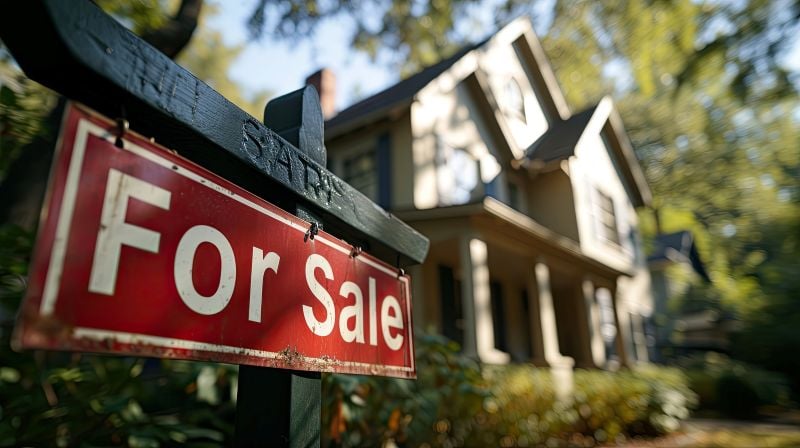
In today's connected world, social media can significantly impact the reputation of professionals, including those in real estate. By using social media effectively, real estate agents and developers can build trust, showcase expertise, and attract new clients. This article explores how social media can improve a real estate professional's reputation and offers practical tips for using these platforms.
The Power of Social Media
Building Trust
Social media is a powerful tool for building trust. Real estate professionals can use platforms like LinkedIn, Facebook, and Instagram to share valuable information and interact with clients. Posting regularly about market trends, property listings, and home buying tips can position real estate agents as knowledgeable and trustworthy experts.
Showcasing Expertise
Through social media, real estate professionals can demonstrate their expertise. Sharing articles, blogs, and videos about complex real estate topics helps to establish authority. This not only educates clients but also shows that the agent is well-versed in the latest industry trends and regulations.
Engaging with Clients
Engaging with clients on social media helps to build stronger relationships. Responding to comments, answering questions, and participating in discussions show that the agent is approachable and cares about their clients' needs. This interaction can lead to higher client satisfaction and loyalty.
Practical Tips for Real Estate Professionals
Create a Professional Profile
Having a professional profile on social media platforms is crucial. Ensure that your profile is complete with a professional photo, a detailed biography, and links to your website or blog. This creates a strong first impression and makes it easy for potential clients to learn more about you.
Share Valuable Content
Regularly sharing valuable content can attract and retain followers. Post updates about new property listings, market analysis, and home staging tips. By providing useful information, you can keep your audience engaged and position yourself as a go-to resource for real estate advice.
Use Visuals
Visual content tends to attract more attention on social media. Use infographics, charts, and videos to explain market trends and showcase properties. Visuals can make your content more engaging and easier to understand, which can help to attract a broader audience.
Leveraging LinkedIn
Networking
LinkedIn is an excellent platform for networking. Connect with other professionals, join industry groups, and participate in discussions. Networking can lead to new business opportunities and collaborations, enhancing your professional reputation.
Recommendations
Ask satisfied clients to write recommendations on LinkedIn. Positive testimonials from clients can boost your credibility and attract new business. Recommendations act as social proof that you are a competent and reliable real estate professional.
Publishing Articles
LinkedIn allows users to publish articles. Write and share articles about real estate topics that interest your audience. Publishing articles can showcase your knowledge and keep you in the minds of your connections.
Using Facebook and Instagram
Facebook Business Page
Create a Facebook business page to share updates, post content, and interact with followers. A business page can help separate your professional content from personal posts, maintaining a professional image.
Instagram for Real Estate
Instagram is a visual platform that can be used to share behind-the-scenes looks at property showings, client testimonials, and success stories. Use Instagram stories and posts to humanize your brand and connect with your audience on a more personal level.
Addressing Negative Feedback
Responding Professionally
If you receive negative feedback on social media, respond professionally and promptly. Address the issue, apologize if necessary, and offer a solution. This shows that you are committed to client satisfaction and can handle criticism constructively.
Learning from Feedback
Use negative feedback as an opportunity to improve. Analyze the feedback to identify areas for improvement. Implement changes to enhance your services and prevent similar issues in the future.
Measuring Success
Analytics Tools
Use social media analytics tools to measure the success of your efforts. Track metrics such as engagement, reach, and follower growth. Analyzing these metrics can help you understand what works and what doesn’t, allowing you to refine your strategy.
Regular Reviews
Regularly review your social media strategy to ensure it aligns with your goals. Make adjustments based on your analytics and feedback from your audience. A flexible approach will help you stay relevant and effective in your social media efforts.
Conclusion
Social media can significantly enhance real estate reputation management when used effectively. By building trust, showcasing expertise, and engaging with clients, real estate agents can create a positive online presence. Platforms like LinkedIn, Facebook, and Instagram offer various opportunities to connect with clients and demonstrate professionalism.
For real estate professionals looking to improve their online reputation, professional services offer tools and strategies to manage and enhance your online presence. Whether dealing with negative feedback or striving to increase engagement, a well-executed social media strategy is essential.
Remember, social media is not just about self-promotion. It's about providing value, building relationships, and continuously improving your services. By following these tips and staying committed to your social media efforts, you can effectively use social media to boost your reputation and grow your real estate practice.