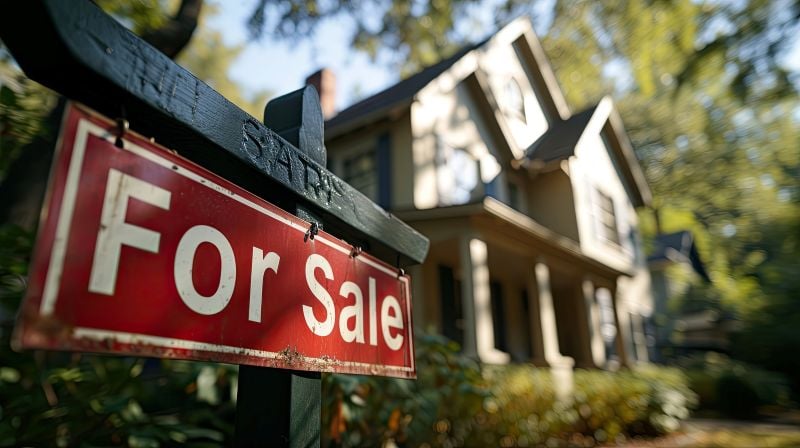
The real estate industry is literally based on the processing and exchange of sensitive client data. From financial records and mortgage agreements to identification documents and property deeds, real estate professionals have to deal with a great amount of confidential information daily. Keeping this data secure is not just a professional duty but also a legal requirement in an age where data breaches and identity theft are becoming increasingly common.
This has raised the chances of unauthorized access to sensitive information as real estate transactions increasingly become digital. Safeguarding the documents with physical file storage or password-protected PDFs will not be enough. Document redaction has been one of the major solutions toward making sure that confidentiality of details is maintained, even when such a file needs to be shared with a third party. By properly implementing redaction techniques, real estate professionals can mitigate risks, build client trust, and comply with evolving data protection regulations.
The Importance of Data Security in Real Estate
Real estate transactions are multi-party affairs, involving buyers, sellers, agents, brokers, lenders, and attorneys. Documents containing sensitive information are exchanged, reviewed, and stored at every step in a transaction. If not properly secured, this data may be exposed to cyberattacks, unauthorized disclosures, and misuse.
Data breaches have caused significant financial effects among real estate operators. This is because hackers can easily use personal and financial details in a real estate file in fraudulent mortgage applications or even steal identities, not to mention wire fraud. Cybercriminals often target real estate businesses because of the huge amounts involved in a transaction, and this is one of the strong reasons data protection strategies need to be robust.
But apart from the financial risks, severe legal repercussions might also await if the licensees fail to take proper measures to safeguard the clients' information. Regulations, including the General Data Protection Regulation and the California Consumer Privacy Act, require every business, real estate firms included, to employ tough measures on the protection of personal data. A failure in securing client information opens up firms to fines, litigation, and other reputational risks. Redacting sensitive data before sharing documents helps ensure compliance with these regulations while protecting clients from potential harm.
The Role of Redaction in Real Estate Transactions
Redaction is the permanent removal or obscuring of sensitive information within a document so that no unauthorized access can be made to it. Different from merely deleting text, which can leave behind recoverable traces of data, proper redaction should ensure that confidential information cannot be retrieved. Real estate has an important role for redaction in protecting personal information, financial records, and proprietary business information.
In property transactions, many document versions are interchanged between different parties. Contracts, appraisals, credit reports, and tax records frequently contain information not always relevant to the recipient. For example, when a document is sent out for review by a third party, an agent may want to remove personal identifiers such as Social Security numbers, bank account details, or contact information. Even an innocuous-looking document can reveal critical information, should the redaction not be properly done.
Redaction is also necessary in real estate when FOIA requests are involved or even public records for that matter. When property documents are released for whatever public or legal purpose, sensitive personal details must be taken out in adherence to privacy policies. By guaranteeing that any redacted detail cannot be put back together, real estate pros will avoid accidents of data disclosure while being open to whatever's necessary.
Challenges in Implementing Redaction in Real Estate
Despite this, most real estate pros still use several very archaic methods of redaction that make documents vulnerable to breaches. One common mistake in this respect is the use of manual redaction techniques, such as the black-out approach for text in PDFs or simple word processing methods to cover up sensitive data. These quite often do not work because poorly redacted information can easily be accessed by merely copying and then pasting the content or by adjusting document settings.
The volume of documents being prepared and exchanged in the course of a real estate transaction is enormous. Manually redacting a document is extraordinarily time-consuming and prone to human error; moreover, firms usually handle several deals at one time. With the greater migration of firms onto cloud-based document management systems, it is paramount that firms consider how their deal workflow can efficiently integrate state-of-the-art tools of redaction available.
Moreover, real estate professionals should consider who has access to redacted and unredacted versions of documents. If unauthorized individuals have access to original files, then the process of redaction renders moot. The implementation of secure storage solutions and access controls is equally important to the redaction process in terms of making the sensitive data truly secure.
Leveraging Technology for Secure Redaction
Amidst all these challenges, modern redaction technology provides an efficient and safe solution for real estate professionals. Advanced redaction tools use A.I. to identify and remove personally identifiable information themselves, without any need for manual scanning and delicate omission of data. AI-powered redaction adjusts to document formats so that from scanned deeds to digital contracts, everything is smoothly processed.
Another advantage of automated redaction solutions involves their integration with existing document management platforms. Because many real estate firms save and share documents via cloud-based systems, the ability to integrate tools for redaction into these platforms means that sensitive information is better protected before such documents get shared publicly. Automatically redacting documents saves firms human errors, reduces time, and increases overall security when it comes to data.
Another key factor is that the redacted information should not be recoverable. Certain old methods of redaction simply obscure the data from view but leave the underlying text intact, which can be reversed by someone with a bit of technical knowledge. Good quality redaction tools remove data at the metadata level so that there is no possibility of retrieval. By applying AI-powered software, real estate firms can confidently share documents without the risk of exposing confidential details.
The first step in effectively applying redaction for professionals is to adopt a trusted solution. A robust redaction tool allows firms to invest in compliance with data protection laws while streamlining their document-handling processes.Those interested in enhancing their security measures can have redaction solutions that offer automation, accuracy, and integration capabilities.
The Future of Data Protection in Real Estate
As the real estate industry continues to embrace digital transformation, the importance of securing client data will only grow. Cyber threats are evolving, and regulatory standards are becoming stricter, making proactive data protection a top priority. Firms that fail to implement secure document-handling processes risk financial penalties, reputational harm, and loss of client trust.
Looking ahead, real estate professionals must adopt a more holistic approach to data security. This includes not only redaction but also encrypted communication, multi-factor authentication, and secure document storage. The integration of AI-driven tools will further enhance security measures, allowing firms to detect and redact sensitive information in real time.
Education and training will also play a key role in strengthening data protection efforts. Real estate professionals must stay informed about the latest security threats and best practices for safeguarding client information. Firms should provide regular training sessions to ensure that employees understand how to properly redact documents, handle sensitive data, and prevent unauthorized access.
By prioritizing client data protection, real estate firms can build stronger relationships, maintain regulatory compliance, and future-proof their businesses against emerging security challenges. Implementing effective redaction techniques is not just about following industry regulations—it’s about ensuring that clients can trust their real estate professionals to handle their most sensitive transactions with care and confidentiality.