Sewer gas odors can be a nuisance and a health hazard. Detecting the source of these odors is crucial for maintaining a safe and healthy environment. Smoke testing is an effective method for locating leaks in sewer lines. If you're in need of gas line installation in Phoenix, it's important to ensure that your sewer lines are properly maintained. In this blog post, we'll explore the benefits of smoke testing and how it can help you detect sewer gas odors.
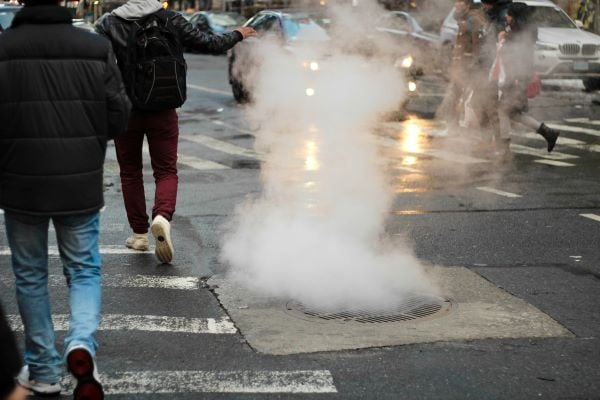
Photo by Amanda Marie on Unsplash
What is Smoke Testing?
Smoke testing involves introducing non-toxic smoke into the plumbing system to identify leaks and breaches. This method requires specialized equipment, including a smoke generator, blowers, and smoke fluid. The generator produces dense, visible smoke that’s safe for both humans and pets. The smoke travels through the pipes, and if there are any cracks or disconnected sections, it will escape and reveal the location of the problem.
How Smoke Testing Works
1. Preparation: Technicians begin by sealing off all plumbing fixtures and vent pipes to ensure that the smoke can only escape through potential leaks or faults.
2. Smoke Injection: A smoke generator is then activated, pumping non-toxic, non-staining smoke into the plumbing system. This smoke travels through the pipes, following the same paths that sewer gases would take.
3. Observation: Technicians carefully observe the property, both inside and outside, looking for areas where the smoke escapes. These escape points, often detected through visual inspection or using special equipment to trace smoke movement, pinpoint potential leaks or faults in the plumbing system.
This method is highly effective because the smoke mimics the behavior of sewer gases, pinpointing even the smallest leaks that can be hard to detect otherwise.
Benefits of Smoke Testing
• Accurate Detection - Smoke testing offers precise identification of leaks, ensuring that all potential issues are found and addressed. This accuracy helps prevent future problems that could arise from undetected leaks.
• Cost-Effective - Smoke testing is less expensive than other methods. It saves money in the long run by preventing extensive damage that can result from prolonged exposure to sewer gas.
• Non-Invasive - Smoke testing is non-destructive. There's no need to tear down walls or dig up pipes, making it a minimally invasive option for homeowners.
• Environmental Safety - Smoke testing uses non-toxic smoke, ensuring it is safe for both the environment and occupants of the tested property.
Understanding Sewer Gas Odors
Sewer gas odors result from the breakdown of household waste, primarily containing hydrogen sulfide, which smells like rotten eggs. This gas is not only unpleasant but also a health hazard, causing headaches, dizziness, and respiratory issues if ignored. Ignoring these odors is dangerous; it signals plumbing issues like cracks, broken seals, or faulty fixtures. Prompt detection and repair are crucial to prevent health problems and structural damage.
Common Sources of Sewer Gas Odors
Being aware of the typical sources of sewer gas odors can help homeowners be more vigilant and proactive in maintaining their plumbing systems.
1. Dry Traps - When drains are unused for a period, the water in the trap evaporates, removing the barrier that prevents sewer gases from entering the home.
2. Cracked Pipes - Over time, pipes can deteriorate or develop cracks due to age, corrosion, or physical damage. These cracks allow sewer gases to leak into the surrounding environment.
3. Loose Connections - Poorly installed or aging plumbing fittings can loosen over time, creating gaps where sewer gases can escape into the home.
4. Blocked Vents - Debris or nests from animals can obstruct vent pipes, preventing proper ventilation and causing sewer gas to accumulate in the plumbing system.
5. Faulty Seals - Poorly sealed joints or gaskets in plumbing fixtures can degrade over time, allowing sewer gases to escape into the home environment.
Top 3 Steps to Take When You Detect Sewer Gas Odors
If you notice a sewer gas odor in your home, it's essential to act promptly to mitigate any potential health risks and property damage.
1. Inspect Traps and Drains - Check all drains, especially in seldom-used areas, to ensure they contain water. Adding water to dry traps can frequently remove the odor.
2. Look for Visible Leaks - Inspect visible plumbing for any signs of cracks or loose connections. These can indicate potential issues with your plumbing system.
3. Contact a Professional - If you cannot identify the source of the odor, it's best to contact a plumbing professional. They can conduct smoke testing to pinpoint and resolve the issue with precision.
5 Considerations When Looking for Smoke Testing Services
When considering hiring a professional for smoke testing in your home, it's important to ensure they possess certain qualifications and characteristics:
1. Experience - Look for a company with experience in performing smoke testing specifically for detecting sewer gas leaks. Experienced professionals are more likely to identify and accurately diagnose plumbing issues.
2. Certifications and Licenses - Ensure that the professionals are certified and licensed to perform smoke testing. This ensures they adhere to industry standards and regulations, guaranteeing quality service.
3. Equipment - Check what type of equipment they use for smoke testing. They should use modern, non-toxic smoke generators and have the necessary tools to conduct comprehensive inspections.
4. Safety Measures - Confirm that the company follows strict safety protocols during smoke testing. This includes ensuring the smoke used is non-toxic and safe for both occupants and pets in your home.
5. Reputation - Read reviews and testimonials from previous clients to gauge the company's reputation for reliability, professionalism, and customer satisfaction.
Frequently Asked Questions
How can I prevent sewer gas odors in my home?
Preventing sewer odors involves regular maintenance of your plumbing system. Make sure drains are properly vented, seal pipe cracks, and regularly check plumbing for leaks.
Is smoke testing safe for my home?
Yes, smoke testing is safe. The smoke used is non-toxic and non-staining, making it safe for both homes and businesses.
How long does a smoke test take?
A typical smoke test can be completed within a few hours, depending on the size of the property and the complexity of the plumbing system.
Can smoke testing detect all types of plumbing leaks?
While smoke testing is highly effective for detecting sewer gas leaks, it may not identify all types of plumbing leaks, such as those related to water supply lines.
What should I do if a leak is found during a smoke test?
If a leak is detected, it’s important to have it repaired promptly by a qualified plumber to prevent further issues and ensure the safety of your home.
Ensuring a Safe and Odor-Free Home
Detecting sewer gas odors is essential for maintaining a safe and comfortable home. Smoke testing is an effective and non-invasive way to find and repair plumbing leaks. Understanding how smoke testing works and its benefits helps homeowners promptly address plumbing issues. This proactive approach not only enhances home safety but also prevents potential health hazards associated with sewer gas exposure.