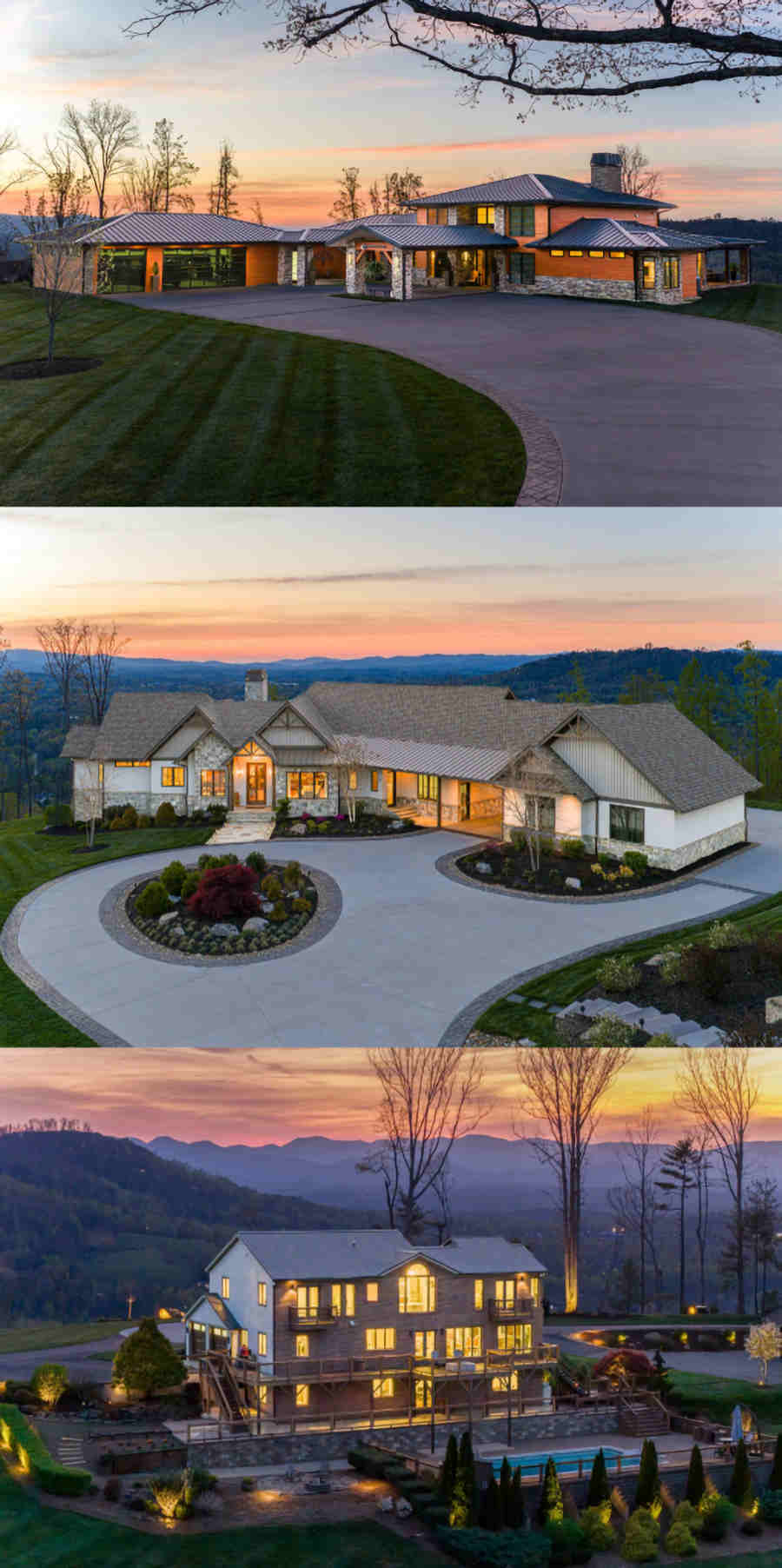
Planning a new home? Why not consider adding green features to your plans?
Sustainable home construction can benefit your new home in many ways. By designing your home to use energy and water wisely, you will enjoy low utility rates for years (or decades). Many green home features offer improved comfort and appealing design. Should you sell your home in the future, you’ll be glad to know that green homes sell faster and at a premium. And, of course, it feels good to make choices that support a healthy environment.
When planning a green home, it’s easy to get overwhelmed. There are so many sustainable home options available today. One good strategy is to focus on the features that offer the best bang for the buck in terms of value, ease of implementation and ROI. Here are some top picks:
7 Easy Green Solutions to Consider When Building Your New Home
1. Green materials. Some green features can be added later, but many of the materials you choose will be part of your home for its lifetime. What a chance to create a legacy! “Green” materials are those that are produced locally, are created with renewable resources, facilitate wise energy and/or water use, are manufactured with significantly lower environmental impact than conventional alternatives, and/or can be disposed of with minimal harm to the environment at the end of their life cycle. Many functional and beautiful options are available. Some materials to consider include: sustainably harvested lumber, reclaimed and recycled materials, wood alternatives such as bamboo, permeable paving products, and natural paint.
2. Solar orientation. The sun is the ultimate source of free energy on our planet. One of the simplest and most cost-effective ways to green up a new home is to build it with the sun in mind. A large window facing south (in the northern hemisphere) functions as a passive solar collector. In a cool climate, designing your home so that its largest windows face south can significantly decrease heating costs without adding to the cost of construction. If you live in a very warm climate, consider orienting your windows to the shady side to minimize cooling needs.
3. Daylighting. By the same token, you can take advantage of natural sunlight to reduce your energy needs. Lighting is second only to air conditioning when it comes to energy use in the home. Including intelligently placed windows and skylights in your design can help keep lighting costs to a minimum.
4. Eco-friendly lighting. Of course, the sun doesn’t shine all the time. You can further reduce your lighting load by incorporating energy-efficient lighting options into your home. LED bulbs are preferred for most applications. They use 75 percent less energy than incandescent bulbs, last far longer, and come in a wide range of colors and styles to suit any décor.
5. Proper insulation. “Insulation is sexy,” quipped President Obama in 2009. His point? A well-insulated home saves money. It also reduces your carbon footprint. Nearly any home design idea can be adapted to incorporate ENERGY STAR-recommended insulation levels for your climate.
6. Water-smart features. A green home uses water (as well as energy) wisely. Even without altering your water use habits or comfort level, you can keep water use in your new home to a minimum by choosing WaterSense-labeled appliances and water-efficient kitchen and bathroom fixtures.
7. Eco-friendly landscaping. Don’t forget that 30 percent of the average home’s water use takes place outside. Your landscape can also become a safe haven for birds, butterflies and other wildlife. Consider surrounding your green home with a green setting by including features such as rain barrels, water-efficient landscaping, solar garden lights, edible landscapes and native plants.
This is a small sampling of green features you can include in your home building plans. Be sure to ask your architect for additional ideas. If they are well-versed in green home building, they will be able to suggest a number of green building tips well-suited to your home plans and lifestyle. Chosen wisely, your green home features can improve your property value, comfort and enjoyment of your new green home.
Author bio: Chuck Tripp has more than 20 years of experience in the residential stock house plan industry. He is currently Sales & Marketing Director of Donald A. Gardner Architects, Inc., a house planning company that has been developing floor plans since 1978.