Introduction
In the fast-paced world of real estate marketing, professionals are constantly searching for innovative ways to showcase properties that stand out in a crowded marketplace. With the advent of digital transformation, Augmented Reality (AR) has emerged as a groundbreaking tool, especially beneficial for promoting outdoor venues. This blog post delves into how AR tours, powered by 3D modeling services, are upgrading the real estate promotion game, offering an immersive experience that captures the essence of outdoor spaces like never before.
The Power of AR in Real Estate
AR in real estate isn’t just an emerging trend; it’s a revolution in the way properties are presented and experienced by potential buyers. Traditional images or even video tours are limited in their capacity to convey the true feel of a property. AR, on the other hand, immerses users in an environment, allowing them to explore properties in intricate detail and from various perspectives, all from their own devices. This technology not only saves time and costs associated with physical tours but also engages clients in an interactive experience that is both memorable and informative.
Why Focus on Outdoor Venues?
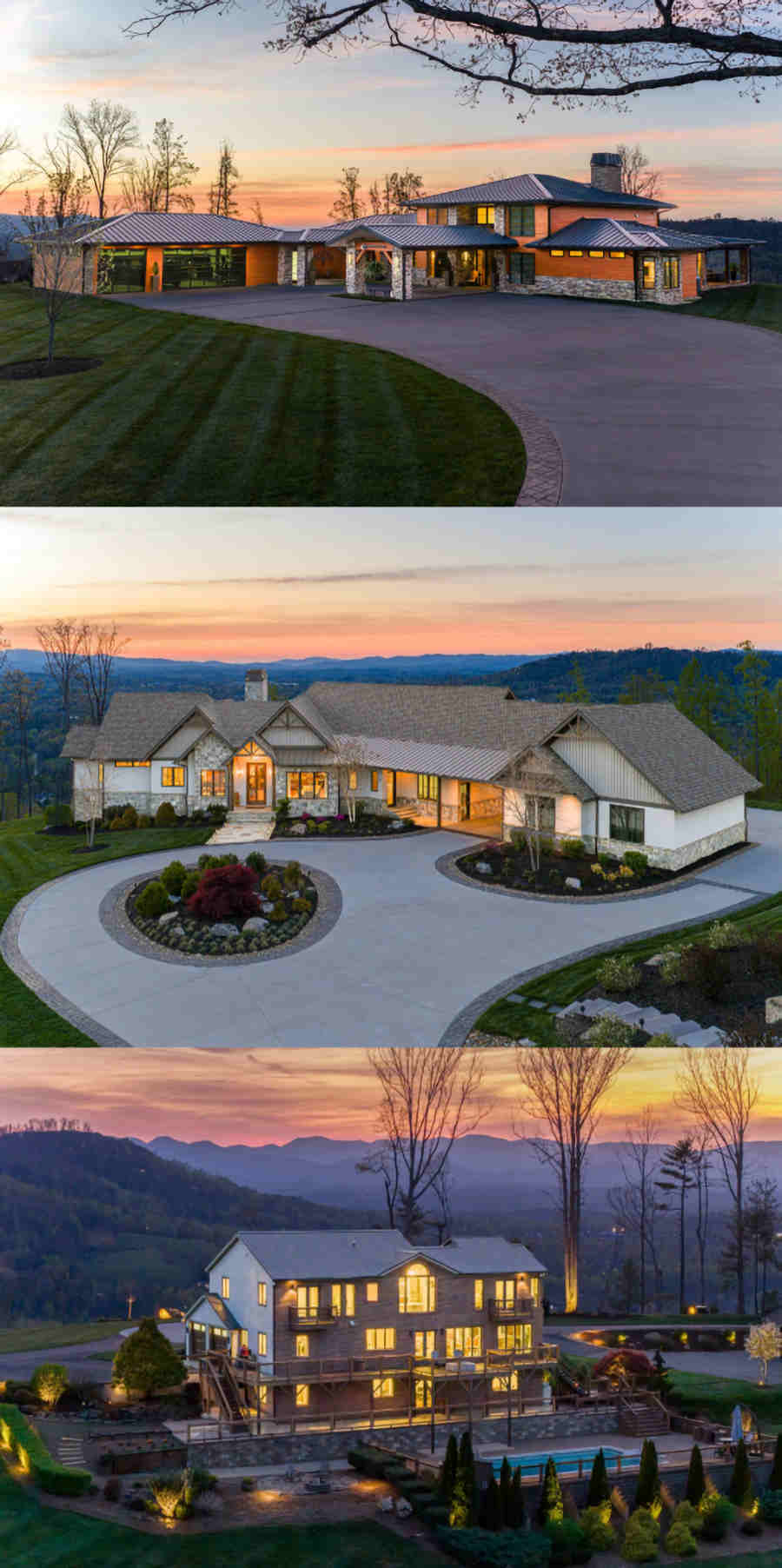
The outdoor venue often serves as the crowning jewel of real estate properties, whether it's a sprawling garden, an elegant terrace, or a panoramic view. Capturing the grandeur and ambiance of these spaces through photos or videos can be challenging, often failing to do justice to the property's outdoor allure. With AR, potential buyers can virtually experience these outdoor venues in their full glory, exploring every nook and cranny at their own pace and convenience, all while gaining a better understanding of the property's layout and the potential of its outdoor spaces.
How to Implement AR Tours for Your Outdoor Venues
Implementing AR tours begins with a detailed digital capture of the outdoor venue, often involving drones or specialized cameras to gather comprehensive data. This data is then used to create a realistic 3D model of the space.
1. Capture and Model: Start with a detailed capture of your outdoor venue using drones or 360-degree cameras. This data serves as the foundation for creating a realistic and immersive 3D model.
2. Select a 3D Modeling Service: Partner with 3D modeling services that specialize in outdoor venues. Look for providers that offer high-quality models, realistic textures, lighting, and interactive features.
3. Develop the AR Experience: Utilize the 3D model to develop an AR tour that can be accessed via smartphones or tablets. Incorporate interactive elements like clickable hotspots to provide more information about specific features of the venue.
4. Integrate and Promote: Integrate the AR tour into your promotional materials and online listings. Use social media, email marketing, and your website to encourage potential buyers to explore the outdoor spaces innovatively and engagingly.
Choosing the Right 3D Modeling Service
Selecting the ideal 3D modeling service is critical to the success of your AR tour. Look for a provider with extensive experience in creating models for AR, specifically for outdoor spaces. Demand high-resolution textures, realistic lighting, and fluid interactivity to ensure an immersive user experience. Consider the service's portfolio, ask for client testimonials, and prioritize providers who offer scalable solutions that can adapt to various platforms and devices.
Engaging Potential Buyers with AR Tours
Once your AR tour is up and running, the focus shifts to engaging potential buyers. Effective engagement strategies include:
• Interactive Features: Incorporate interactive elements such as information hotspots, voice narration, and even quizzes or games to enhance engagement.
• Promotion: Utilize social media platforms, email campaigns, and your official website to promote the AR tour. Consider paid advertisements targeted at audiences likely interested in real estate investments.
• Feedback Loop: Encourage feedback from users to refine and improve the AR experience continuously. This not only improves the product but also fosters a sense of community and involvement among potential buyers.

Photo by Max Vakhtbovycn
Conclusion
Augmented Reality tours for outdoor venues represent the next frontier in real estate promotion. By offering an immersive, interactive, and highly detailed exploration of properties, AR tours meet the evolving expectations of clients in the digital age. Implementing these tours requires careful planning, from capturing the venue to selecting the right 3D modeling service and engaging potential buyers effectively. However, the effort can significantly enhance the visibility and appeal of outdoor spaces, ultimately elevating the entire real estate promotion strategy.
Real estate professionals who adopt AR tours for their outdoor venues will not only set their properties apart but also establish themselves as forward-thinking market leaders. As technology continues to evolve, so too will the ways we explore and interact with real estate, making the adoption of AR an essential step towards future-proofing your real estate marketing efforts.