Self-storage can solve a wide range of problems, from easing the stress of moving to clearing space during home renovations. It’s also useful for businesses needing extra inventory space or families who want a safe place to keep heirlooms and seasonal items. Choosing the right storage unit, however, requires a bit of thought. There are different sizes, features, and pricing models, and knowing what suits your situation best can help you avoid wasted money and time. This guide outlines key factors to help you make a smart decision.
Look at Local Options First
Before casting a wide net, begin with facilities near your home or business. Staying local saves time, especially if you’ll be accessing the unit regularly. Proximity can also lower the cost of moving items in and out of storage. When comparing facilities nearby, take a close look at reviews, security measures, and access hours. It's also a good idea to explore advice from StoreLocal storage specialists to help you spot the hidden strengths or weaknesses in what may seem like equally good options. Visiting potential facilities can also tell you a lot; clean, well-maintained properties with professional staff tend to offer better service over time.
Choose the Right Size for Your Needs
Getting the right size unit isn’t always straightforward. Too small, and you risk damage from cramming items. Too large, and you pay for space you won’t use. To estimate the correct size, list everything you plan to store and group items by volume. A few boxes, small appliances, and seasonal gear might only need a 5x5 or 5x10 unit. Larger furniture, business stock, or equipment could need something much bigger, like a 10x20. If you're unsure, most facilities provide size guides or offer to show sample units. Don’t forget to leave walking space inside, accessing your belongings easily can make a big difference over time.
Understand the Importance of Climate Control
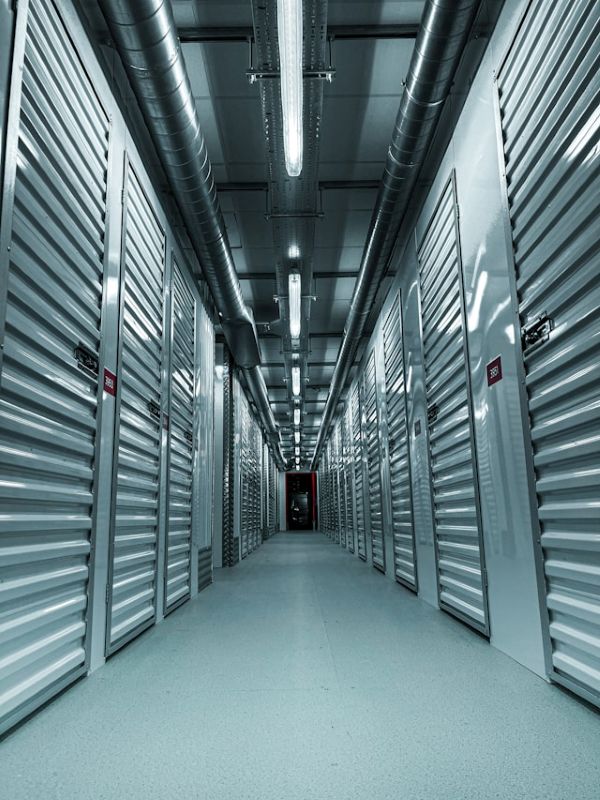 Photo by Beatriz Braga on Unsplash
Some items are sensitive to heat, cold, or moisture. Documents, electronics, wood furniture, and clothing can all be affected by extreme temperature changes. In areas with fluctuating weather or high humidity, climate-controlled units help keep belongings in better condition. These units maintain a steady temperature and often regulate humidity, which reduces the chance of mold, warping, or deterioration. Even if your items don’t seem fragile, think about how long they’ll stay in storage. The longer they sit, the more they’re at risk. If you're storing anything you wouldn’t leave in a garage for months, climate control deserves a closer look.
Pay Attention to Security Features
Not every storage facility offers the same level of protection. When comparing options, check what measures are in place. Gated access with unique entry codes, security cameras, and on-site staff are all valuable layers of defense. Some units come with alarms, and others have controlled access buildings where only tenants can enter. The condition of the fencing, locks, and lighting also says a lot about how seriously the facility takes security. Ask about break-ins or vandalism history if staff are willing to share. Insurance might protect your items financially, but preventing loss in the first place is the real goal.
Review Access Hours and Convenience Features
You’ll want access that fits your schedule. Some facilities are open only during business hours, while others provide 24-hour entry. If you work late or plan to visit your unit at odd times, extended access can make a difference. Loading docks, wide driveways, freight elevators, and carts on-site can all make the process smoother. Think about the layout: can large trucks get in and out easily? Is the path from your vehicle to the unit short and level? These small conveniences affect how quickly and comfortably you can store or retrieve items. For businesses or frequent users, these things add up over time.
Compare Costs Without Getting Distracted by Deals
It’s tempting to jump at first-month-free offers or steep move-in discounts, but it’s better to focus on the long-term cost. Monthly rates vary depending on size, location, and features like climate control or indoor access. Read the fine print. Some deals come with conditions like required prepayment or automatic rate hikes after the promo period. Ask whether prices are fixed or if you should expect increases after a few months. Also check for administrative fees, lock charges, and any penalties for ending your rental early. A fair rate with honest terms is better than a flashy deal with strings attached.
Choosing the right self-storage unit means weighing practical details that match your unique situation. With careful planning and some local insight, your storage experience can be simple, affordable, and stress-free. Whether it’s a short-term solution or a long-term arrangement, the right facility can offer just the space and peace of mind you need.