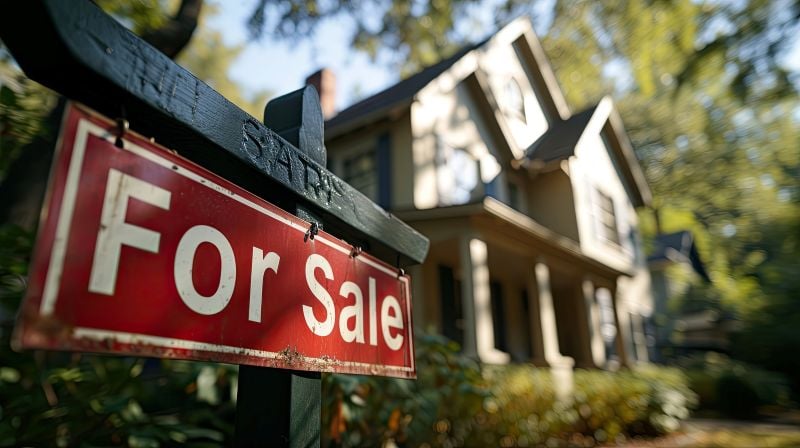
First Time Home Buyers:
Every home owner was a first time home buyer once and everyone remembers the experience of purchasing their first home. In this article we'll cover the basics of what a first time home buyer should know, we'll include some money saving tips, how to get prepared and how to find the best team possible. Being a first time home buyer does not have to be a "scary" adventure and to avoid the pitfalls you should really take the time to inform yourself about the process. There really is two main parts to the process; the actual finding of the home and the second part is securing a new mortgage. In this article we'll focus on the mortgage side however we do have a quick note about the other side: make sure you find a well respected and experienced realtor that frequently works with first time home buyers.
The Important Information You Need To Know:
When it comes to getting a mortgage for the first time know that the best thing you can do before you start is get prepared. First we'll cover the items/information needed, some basic terms and then we'll cover how to get prepared for the process.
Income and Asset Documentation:
If you are a W2 employee you'll want to obtain your the last two years of your W-2's and your most recent paystubs. If you have a side business then also gather your most recent two years of tax returns. You'll also want to have the two most recent statements from which your down payment will come from. If your self employed then you'll need your two most recent years of tax returns (all pages - federal only) and your two most recent asset statements. I highly suggest you do this prior to thinking about purchase prices and obtaining mortgage quotes. Why? Because it's important you have a crystal clear picture of your finances so that you can make a good decisions especially about what you can and cannot afford.
Basic Mortgage Terms:
In this section we'll cover some important terms you should know. A first time home buyer guide to mortgage terminology will certainly help better prepare you for loan process. During the process if you hear term you don't know be sure to ask the Loan Officer for clarification.
1003 Application: This simply refers to the document you complete when you apply for a new mortgage. Entries to the application include your name, home address, social security number, date of birth, employment information, income, current housing expense, assets and debts.
Fixed Rate Mortgage: A fixed rate mortgage is a loan that has an interest rate that remains the same during the entire term. Usually (not always though) the payment is also fixed for the entire term. One example where your payment might adjust is a fixed rate mortgage will a balloon payment. These are rare as very few lenders offer balloon payment type loans.
Adjustable Rate Mortgage: An Adjustable Rate Mortgage (ARM) usually has a rate that is fixed for a short period and then it adjusts each year after the fixed rate period. Most Adjustable Rate Mortgages are 30 year loans. An example would be a 5/1 ARM: The rate and payment are fixed for five years and then the rate/payment might adjust once a year each year after the fixed period. The total loan term typically would be for 30 years. Being a first time home buyer I would not suggest going with a fixed rate mortgage rather than an adjustable rate mortgage.
Locking The Rate: A little known fact amongst first time home buyers (and even current home owners) is that the rate your quoted is not automatically locked in. Mortgage rates can change daily; they often do. In fact there are times they'll change 2-3 times in a day. Most mortgage companies will offer to lock in your rate (meaning your locked in for that day/time) once you have an accepted offer. Some companies won't lock in until you're ready to close (super risky). I suggest it's one of the very first questions you ask a mortgage company after receiving your quote (more on that below).
Debt-To-Income Ratio: Your Debt-To-Income (DTI) ratio is your monthly debt expenses (including your home costs) compared to your home monthly income. Depending on the loan program you generally will get an approval is your DTI is below 40% however some loan programs allow for a DTI as high as 50%. I'd highly suggest as a first time home buyer you keep your DTI at or below 40%. There are a lot of unplanned expenses that go along with a house and you want to make sure your new home doesn't cost more than you can afford.
Loan-To-Value Ratio: This is the amount you are borrowing compared to value of the home you are buying. So an 80% LTV means your loan amount is 80% of the value of the home.
The Loan Disclosures: Get ready for a lot of paper work! When you obtain a new mortgage you'll receive lots of documents for you to sign and date. This happens all throughout the process so be prepared and be patient. Some disclosures forms are more important than others. Perhaps the most important Loan Disclosure is the "Locked" Loan Estimate. The "Locked" Loan Estimate signifies your interest rate is locked in rather than floating. Carefully review the unlocked and especially the locked Loan Estimate when you receive them. You really should read them all but if you are short on time and need to pick the most important one; then read the Loan Estimate.
Points and Origination Fees: Points and Origination Fees are fees you sometimes have to pay when doing a mortgage. They are based on a percentage of the loan amount. So paying "one point" on a 300,000 loan amount means you are paying 1% (or $3,000) of the loan amount to obtain the rate you've been quoted. Pro Tip: There are Loan Officers that will try to confuse first time home buyers by saying they are offering a no point loan however the loan comes with thousands of dollars in origination fees. A reputable mortgage company will not do this; if you catch your mortgage company doing this find another mortgage company. When getting your quote ask this: Am I being charged any Discount Points and/or Origination Fees?
Property Taxes and Property Insurance: As a renter you don't have to pay property taxes and property insurance but as a home owner you do. Every city these amounts are different so be sure to check with your Loan Officer as to what these costs are.
We could go on however the above is a great start. Make sure to ask your Loan Officer to give you a run down of all the mortgage terms he/she feels like you should know.
 Get Prepared To Buy A Home:
So you have your income/asset docs; you have a good understanding of what you can and cannot afford (in terms of your monthly housing payment) now it's time to get some quotes. I highly suggest you talk with 3-5 Loan Officers. For current home owners who have been through the process and know a bit more I'd suggest 2-3 but since your new take the time to make a few extra calls. When doing so follow these two important rules:
1. Only obtain quotes from well respected mortgage companies that have at least an A rating with the Better Business Bureau.
2. Make sure you ask lots of questions; keep asking them until you feel like they've been answered. This is really important and please don't be shy about asking questions even if it's the second or third time asking.
Why are these rules important? Because high rated companies usually have a long history and they are less likely to take advantage of a first time home buyer. And you should ask a ton of questions for two reasons: to be better informed and the second reason is that if you find a Loan Officer that takes the time to answer all your questions patiently then that's a good Loan Officer. A Loan Officer that is short and try's to avoid answering your questions is a Loan Officer I'd stay away from.
Surround Yourself With A Great Team:
I touched on this previously; when it comes to buying a home make sure you find a well respected and experienced Realtor and when it comes to the mortgage make sure you find a well respected and experienced Loan Officer. Do not take chances especially on your first home purchase. With access to the internet you can find out a lot of information about someone you are choosing to worth. One website I highly suggest you visit; the Better Business Bureau.
Stay On Top Of Mortgage Rates:
Being informed about mortgage rates will help you make important decisions about how much you can borrower and when to lock in your interest rates. Current mortgage rates can be found all over the internet however you have to understand that most "advertised" mortgage rates are either really hard to get or simply not accurate interest rates. That's why I suggest you ask your Loan Officer to provide a link to their mortgage rate section and/or ask email him/her for updates.
You're Almost Ready:
Hopefully this article gave you a good starting point; something to build from and will help you locate a Loan Officer you can trust. One who will take the time to answer your questions and one who will also take the time to educate you about the process. I find in most cases a bulk of what needs to be discussed only takes 20-40 minutes, and then maybe a second follow up call to answer any additional questions.