Whether you’re searching for your first home or an upgrade from your current home, house hunting can be stressful. Looking at numerous houses over a few days or weeks can leave you struggling to remember which were your favorites. This house hunting checklist can help you stay organized and focused while searching for your dream home.
The Bathroom
Start by deciding how many full bathrooms, showers, and bathtubs you’ll need in your new home, as well as whether you’re interested in finding a home with a separate master bathroom. When touring a home, take note of what kind of flooring is in each bathroom, the amount of storage available, and whether the bathroom has proper ventilation.
Many homebuyers fail to thoroughly inspect bathrooms of potential homes. Josh Myler, a Los Angeles realtor, recommends closely inspecting the water closet. Additionally, flush the toilet and run the sink to check the water pressure and ensure that everything is working properly, as low water pressure often indicates plumbing problems. Finally, check for visible signs of mold and mildew.
Make sure to check with your agent before performing a thorough bathroom inspection. In some housing markets, sellers consider using the toilet to be impolite. In cases where the owners have already moved, the water may be turned off.
The Bedroom
You should also decide how many bedrooms your family will require. When touring a potential home, take note of where the bedrooms are located—upstairs, downstairs, or the basement—and how much space each bedroom offers.
Next, consider whether the bedrooms get enough natural light and what type of light fixtures are in each bedroom. If storage is a priority, remember that it’s possible to add storage space to a bedroom in the form of a walk-in wardrobe. In addition, spare bedrooms can be turned into dressing rooms or walk-in closets.
The Kitchen
Counter space and storage are the most important elements in the kitchen. Consider how much counter space you’ll need before touring any homes and decide whether counter space will be a dealbreaker in buying the home. Also, search for homes with extra storage space, including pantries and storage cabinets, if you’re bringing a lot of kitchenware.
It’s also important to consider what material is used for the countertops, what the flooring is made of, and the condition of the appliances. Old appliances may need to be replaced and can leave you spending more than you’ve budgeted.
If you cook frequently, decide whether a gas or electric stove is best for you. Observe whether the kitchen includes a built-in refrigerator, microwave, and dishwasher, and ask whether these appliances are included in the purchase. Make sure to ask whether the kitchen sink has any features, such as water filtration or garbage disposal.
The Living Room
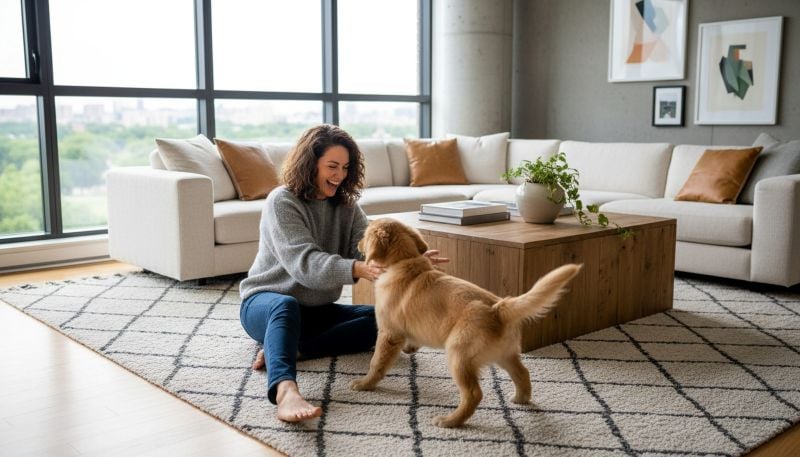
Before touring any homes, decide whether you prefer an open or closed layout in the living room. While open layouts create an illusion of more space, closed layouts can feel warmer and cozier. Next, note how much light the room receives, whether there are skylights or windows to provide natural light, and what kind of lighting fixtures are in the living areas.
If you need extra storage space in the living room, make sure to thoroughly inspect all areas. Doors, drawers, cupboards, and closets in living areas can provide extra storage space that isn’t immediately obvious when touring a home.
Hunting for your dream home can be a frustrating but rewarding experience. If you can’t seem to find the right home for you, consider enlisting the services of affordable new home builders. Australian companies like Adenbrook Homes work with prospective homeowners to build a house that meets their needs and requirements. Ultimately, beginning the process with a clear idea of what you’re looking for—as well as any potential deal-breakers—can facilitate the experience.