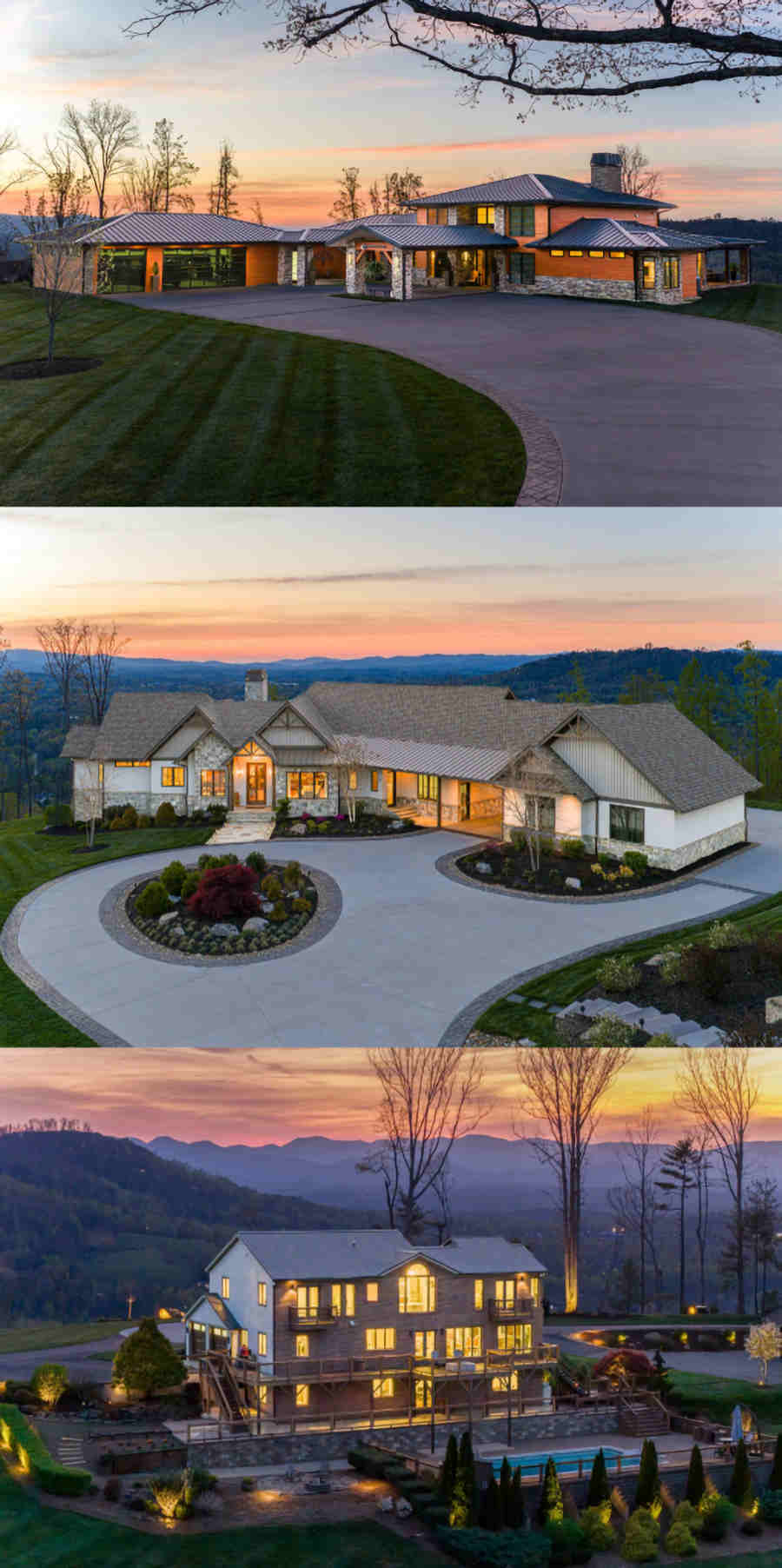
When buyers tour a home, they react to its design long before they look at the price. The flow of the rooms, the light, and the layout shape that first impression, and those same features quietly drive what the home will fetch years later.
That makes design a financial decision, not just a personal one. Choosing from proven house plans and home designs is one of the clearest ways to protect a home's long-term value. This guide explains what adds value and what quietly erodes it.
Do House Plans and Home Designs Affect Value?
More than most owners assume. Location sets the ceiling on a home's price, but design decides how close to that ceiling it actually sells.
A smart layout makes a house feel larger, brighter, and more usable, all of which buyers pay for. A poor one does the opposite, leaving good square footage feeling cramped or awkward no matter how nice the finishes are.
Design also shapes how fast a home sells. Plans that match what local buyers expect attract more interest, while unusual layouts narrow the pool. Time on market is itself a cost, in carrying expenses and in price cuts.
Broad market forces matter too, of course. National home price trends move every home together, but within a neighborhood, design is one of the few levers an owner actually controls.
Which Design Features Add the Most Value?
The ones buyers consistently ask for, year after year. Trends come and go, but a few design choices reliably pay off. These lead the list:
1. Open main living areas. Connected kitchen, dining, and living space.
2. A functional kitchen. Good flow and storage anchor the whole home.
3. Natural light. Well-placed windows make spaces feel larger.
4. A flexible room. An office or guest suite adapts to many buyers.
5. Usable outdoor space. A patio or porch that extends the living area.
Each of these widens a home's appeal rather than narrowing it. That is the real test of a value-adding feature: does it attract more buyers, or only a few?
Practical systems matter alongside layout. Buyers increasingly factor efficiency and comfort into their offers, which is why an upgrade like a modern HVAC system can lift a property value noticeably. Design and systems work together.
What Design Mistakes Hurt Resale?
The ones that fight how people actually live. A few common missteps can quietly cap a home's value. The numbers tell the story:
-
- Homes with open layouts can sell up to 10 percent faster.
- A poor or chopped-up floor plan can add 20 or more days on market.
- Buyers consistently rank 3 or more bedrooms as a baseline.
- Overbuilding for the area can cap returns near 80 percent of cost.
The worst offender is overbuilding. A home far larger or fancier than its neighbors rarely recovers its full cost, since value is anchored by the surrounding street. New nearby new construction can shift that ceiling, but it is rarely worth betting on.
Closing off space is the other classic error. Walling in a kitchen or chopping a floor plan into small, dark rooms works against everything modern buyers want. These are the mistakes a proven plan helps you avoid.
How Should Buyers Weigh Design and Value?
By thinking like the next buyer, not just the current one. A home is lived in personally but sold to the market, so the smartest design choices satisfy both.
|
Priority |
Why It Matters for Value |
|
Broad appeal |
Wider buyer pool means stronger offers |
|
Functional layout |
Usable space sells faster than raw size |
|
Flexibility |
Adaptable rooms suit changing needs |
|
Efficiency |
Lower running costs attract modern buyers |
|
Neighborhood fit |
A home priced to its street holds value |
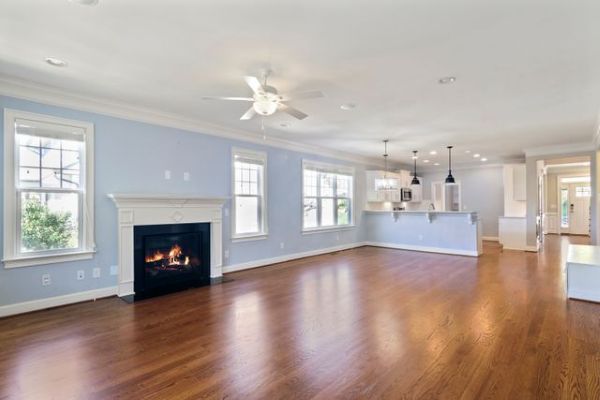
A bright, open-concept home interior
The throughline is restraint. Personal touches are fine, but the bones of the home, its plan and flow, should appeal to the broadest set of buyers. That is what protects resale.
Government homeownership data shows how steady demand for sound, well-designed homes remains. Choosing a plan with that durability in mind is how owners protect both their comfort and their investment, whatever the market happens to be doing in any given month.
What This Means for Your Bottom Line
-
- A home's design shapes both how fast and how high it sells.
- Open layouts, light, and flexible rooms reliably add value.
- Overbuilding and chopped-up floor plans quietly cap returns.
- Efficiency and broad appeal matter more than personal flourishes.
- Proven house plans help owners protect long-term resale value.
Designing for the Next Buyer
A home's design is one of the few value levers an owner truly controls, so it pays to choose wisely. Favor layouts with broad appeal, good light, and sensible flow, and resist the urge to overbuild for the street. Lean on proven plans rather than untested ideas, and the home you enjoy living in will also be the one buyers compete for later. Good design, in the end, is good financial sense.
Frequently Asked Questions
Does a Home's Floor Plan Affect Its Resale Value?
Yes, significantly. A functional, open floor plan makes a home feel larger and more livable, which broadens its appeal and supports a higher price. Awkward or closed-off layouts do the opposite, often leaving good square footage feeling cramped and slowing the sale.
Which Home Features Add the Most Value?
Open living areas, a functional kitchen, natural light, a flexible room, and usable outdoor space consistently rank highest. These features attract a wide range of buyers rather than a narrow few, which is what truly drives value. Broad appeal beats niche luxury almost every time.
Can You Overbuild a Home for Its Neighborhood?
Yes, and it is a common costly mistake. A home much larger or more expensive than its neighbors rarely recovers its full cost, because nearby sales anchor its value. Building or renovating in line with the street usually delivers a better return than going far beyond it.
Are Open Floor Plans Still Popular With Buyers?
Very much so. Open layouts that connect the kitchen, dining, and living areas remain among the most requested features, since they suit modern living and entertaining. While some buyers want defined spaces, broad demand for open, light-filled plans continues to support resale value.