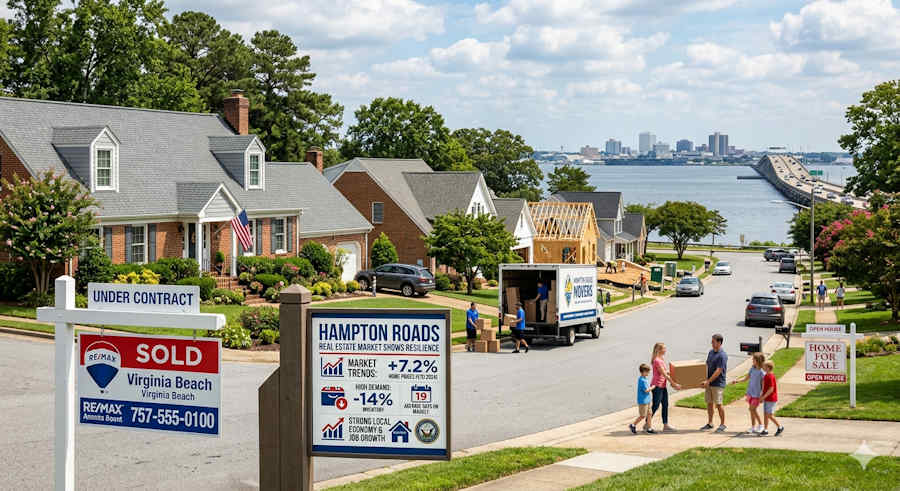
While many think pieces have been written about how the cost-of-living crisis is going to affect low-income earners and tenants, very few have considered how it might impact landlords. Because everyone knows times are tough right now, with inflation at its highest in 30 years but consider the landlord that has a portfolio of perhaps dozens of properties to maintain.
If they are faced with higher energy bills and tenants who can’t afford to pay their rent, they could end up losing properties unless they have the right coping mechanisms in place.
Invest in your property
As a landlord, you have a legal obligation to make sure your properties are kept to a liveable standard and that all necessary repairs are undertaken in a timely fashion and are carried out by registered professionals. But that’s the bare minimum. If you’re currently sitting on a batch of unloved properties with no tenants and zero prospects, consider making upgrades to the property to entice new tenants.
Applying for a quick business loan could allow you to make these renovations and improve the chances of re-letting quickly. You could also make the property more energy-efficient while you’re at it and save even more on energy costs in the long run.
Check your outgoings
Staying on top of your finances doesn’t just mean reigning in your spending and ensuring your investments are not being wasted. It also means checking on your periodical costs such as insurance and the cleaners and maintenance workers you might employ to look after your properties in your stead.
With prices going up, you also need to plan for the unforeseeable future. For example, agree to rates with contractors for the next year before prices rise and put aside a nest egg for any repairs that might need to be made after winter. Because next year is going to be a tough one!
Look at how much you’re charging
With prices rising across the board, it might be time to start raising your prices. We understand you might not want to put off tenants but there is surely a balance to be found. If bills are included, you may want to start charging more or get your tenants to pay for their own energy and internet, for example.
Also, it may be worth having a look at different deals with providers and having a smart gas and/or electricity meter installed if you don’t already. Wireless devices can track how much is being used and what you are paying and will make it much easier to make an informed decision about how to charge your tenants.
Talk with your tenants
Finally, the best landlords are those that are transparent with their tenants and have solid relationships with them. Check in with your tenants and see how comfortable they feel with the changes – this way you can easily avoid or resolve a problem before it escalates.
Are they worried about their financial situation? Can you come to an agreement? Are there better opportunities for them to manage their bills? Also, if they don’t already have a guarantor signed up to their lease then ensure you have a word with them about it.