Technology continues to revolutionize various industries, and real estate is no exception. Virtual real estate appraisal, for instance, has emerged as an innovative solution; it offers convenience, efficiency, and accuracy in property valuation. A recent survey by the National Association of Realtors shows that 81% of real estate appraisers conducted a virtual or desktop appraisal in 2022. (1)
So, how does this work and how is it different from traditional appraisals? Read on as this article takes a closer look at the dynamics behind virtual real estate appraisal and why it has now become highly popular with homeowners, buyers, and lenders alike.
What Is a Virtual Real Estate Appraisal?
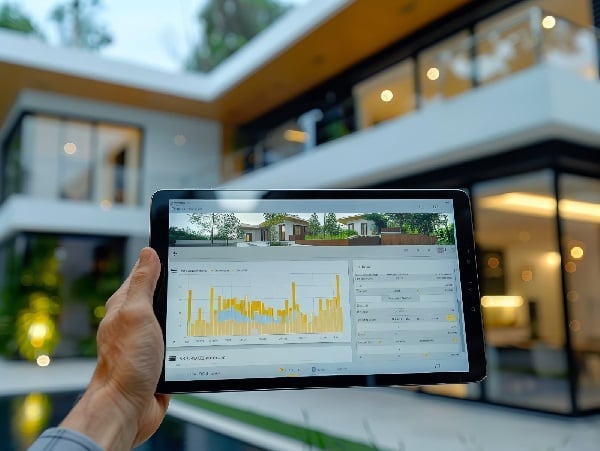
Virtual real estate appraisal, also known as a remote or desktop appraisal, is the process of obtaining the value of a property without necessarily visiting the site. This innovative approach uses advanced technology, data analytics, and digital tools to accurately estimate a property’s value. An appraiser will conduct critical assessments from his office, saving time for all parties involved.
With that, the process has grown increasingly accessible; some platforms will even allow appraisers to perform virtual evaluations using just their phones. For instance, with tools like Appreeze, you can do a virtual appraisal from your smartphone. Ultimately, these remote assessments offer a level of convenience and efficiency that’s transforming the real estate industry.
How Does the Process Work?
Understanding how virtual real estate appraisal works can help homeowners, buyers, and real estate professionals negotiate the appraisal landscape more effectively. Here’s a breakdown of the key stages involved:
Step 1: Collection of Data
The first step in a virtual appraisal process involves gathering comprehensive data about the property. This includes:
• Public records
• MLS listings
• Tax assessments
• Satellite imagery
• Street view photos
• Previous appraisal reports
Appraisers also rely on homeowners to provide recent photographs, videos, and detailed information about the property’s condition, upgrades, and unique features. That’s why it’s important to prepare your home beforehand to ensure your property is appraised at the highest potential value.
Step 2: Property Analysis
Once the data is collected, the real estate appraiser uses specialized software to analyze the information and compare it with similar properties in the area. They consider factors such as:
• Location
• Size
• Age
• Condition
• Recent sales of comparable properties
• Local market trends
Advanced algorithms and artificial intelligence can help process this data quickly and accurately to provide a preliminary valuation estimate.
Step 3: Virtual Inspection
While physical inspections aren’t conducted, appraisers often perform virtual inspections using video conferencing tools or pre-recorded video tours. This allows them to visually assess the property’s condition, confirm details provided by the homeowner, and address any questions or concerns.
Step 4: Valuation and Report Generation
After analyzing all available data and conducting the virtual property inspection, appraisers determine the property’s value. They then generate a detailed report that includes:
• Property description
• Comparable sales analysis
• Market trends
• Valuation methodology
• Final appraised value
This report is typically delivered electronically to the client, serving as a crucial tool for lenders, buyers, and sellers, providing a transparent and objective assessment of the property’s worth.
Benefits of Virtual Real Estate Appraisals
Virtual real estate appraisals offer a range of benefits that make them an attractive option for many stakeholders in the property market. Here’s a look at them:
Time and Cost Efficiency
A traditional in-person home appraisal usually takes 7 to 10 days from start to finish. However, with virtual appraisals, the overall turnaround time can be reduced almost in half, potentially completing the process in as swift as a few days. (2)
Virtual real estate appraisals, thus, offer an efficient alternative to traditional in-person assessments, which very well equates to cost savings for lenders and borrowers alike.
Enhanced Accessibility
Virtual appraisal allows property buyers or investors to assess properties in remote or hard-to-reach areas without the need for travel. This expanded accessibility is particularly beneficial for rural properties or when physical access is limited due to unforeseen circumstances.
Equity in Appraisals
The issue of equity in real estate appraisals has been a significant concern, particularly in minority communities. Traditional in-person appraisals have been shown to sometimes reflect racial or ethnic biases, leading to unfair valuations.
According to the 2021 appraisal statistics, 23.3% of homes owned by high minority tracts experienced undervaluation due to bias and racism. This troubling trend has prompted industry leaders and regulators to seek solutions that can help mitigate these biases. Virtual appraisals have emerged as a potential tool to address this problem. (3)
As these benefits show, a virtual appraisal is much more than an easier option than the more labor- and resource-intensive traditional methods. It represents a step toward more effective, accessible, data-driven property valuations.
Wrapping Up
Virtual real estate appraisals are a huge leap in how properties are valued, bringing along benefits like cost efficiency and accessibility. As changes in the real estate industry continue, this approach will be even more vital in assisting homeowners, buyers, and lenders in streamlining the process and making much better decisions in today’s changing market.
References:
- “2023 Appraisal Survey”, Source: https://www.nar.realtor/sites/default/files/documents/2023-appraisal-survey-09-05-2023.pdf
- “What Is a Home Appraisal?”, Source: https://www.investopedia.com/articles/pf/12/home-appraisals.asp#toc-how-long-does-a-home-appraisal-take
- “Exploring Appraisal Bias Using UAD Aggregate Statistics”, Source: https://www.fhfa.gov/blog/insights/exploring-appraisal-bias-using-uad-aggregate-statistics