South Bend sits in one of the more active lake-effect snow corridors in Indiana, and that single fact shapes roofing decisions here more than almost anything else.
Homes in this region are built to withstand meaningfully higher snow loads than homes even an hour inland, and the numbers behind that difference are worth understanding before choosing a roofing material.
Why Lake-Effect Snow Is Different From Regular Snowfall
Lake-effect snow forms when cold air moves across Lake Michigan's comparatively warmer water, picking up substantial moisture before dumping it on South Bend, Mishawaka, Elkhart, and the surrounding area.
That moisture content makes the snow denser and heavier than typical dry, fluffy powder. Six inches of lake-effect snow can weigh roughly as much as eighteen inches of the drier snow that falls in other parts of the Midwest. It also compacts quickly on landing and often refreezes into an ice-like layer rather than staying loose.
St. Joseph County receives snowfall totals routinely 50 to 80 percent higher than Indianapolis, and South Bend's long-term average sits around 76 inches a year, more than double what Indianapolis typically sees.
Why Local Building Codes Reflect This Difference
Because of this weight difference, residential roofs in the South Bend area are commonly designed for snow loads around 34 pounds per square foot, significantly higher than in many inland Indiana communities.
A wide roof span that an engineer would approve without issue, 90 minutes from Lake Michigan, might require additional bearing points to meet code within South Bend itself. Two homes built to the same square footage in different parts of Indiana can have genuinely different structural requirements purely because of this lake-effect exposure.
What This Means for Roofing Material Choice
Given the combination of heavy snow load, ice dam risk, and the freeze-thaw cycling that comes with a Great Lakes winter, a few materials consistently perform well for South Bend homes:
-
- Standing seam metal roofing sheds snow efficiently thanks to its smooth surface, reducing how long heavy accumulation sits on the structure and stresses the framing.
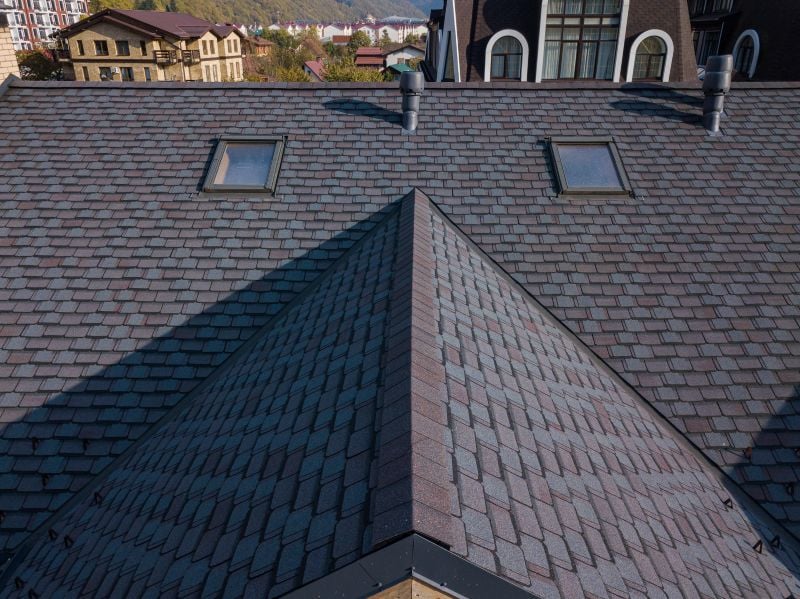
- Architectural shingles with proper ice-and-water shield along eaves and in valleys, since ice dam formation is a near-certainty in this climate without adequate protection at those vulnerable points
- Adequate attic insulation and ventilation, which is arguably as important as the roofing material itself, since uneven attic temperatures are what cause ice dams to form in the first place
Ice Dams Are the Recurring Problem Here
Ice dams form when heat escaping unevenly from the living space melts snow on the upper roof while the eaves stay cold. That meltwater refreezes at the edge and can back up under shingles, forcing water into the home.
Signs of ice dam trouble include visible icicles along the roofline and water stains appearing on ceilings or walls after a thaw. Because this is such a predictable seasonal issue in South Bend, prevention through insulation and ventilation is generally more effective and cheaper than repeatedly removing ice after it's already formed.
Snow Removal Isn't Usually Necessary, But Know the Threshold
For most properly built South Bend roofs, snow removal isn't required even after a significant storm, since roof snow load is typically about half of what's measured on the ground due to wind stripping, heat loss from below, and natural sliding.
That said, once accumulated snow approaches 12 to 18 inches, depending on density and how many storms have stacked up without a thaw, removal becomes a reasonable precaution, particularly on older roofs or those with a history of sagging.
Why a Roof Built for This Exact Climate Matters
Because South Bend's lake-effect exposure creates genuinely different structural and material demands than most of the rest of Indiana, a roofing approach that doesn't account for this specific microclimate risks under-building for conditions the home will actually face. Working with roofing companies in South Bend that understand the lake-effect snow belt and the local building code requirements is the most reliable way to get a roof that performs through a real Michiana winter, not just a generic Midwest one.