There’s an important worker in your company. It keeps you warm during the winter and cool in the summer. Without your commercial HVAC, your workplace would almost be unbearable. To replace it, however, is also quite expensive. Therefore, it should be your goal to make sure your HVAC lifespan is as long as possible. But how do you do that?
Below, we will discuss some of the things that can affect how long a commercial HVAC lasts, how long different components last, and how to keep your system running efficiently.
Average Lifespan of an HVAC System
Websites like Fusion Repair attract visitors with many tips and blogs about HVAC systems. A common question that visitors have for companies such as Fusion Repair is how long their HVAC system will last. Generally, a commercial HVAC system will last between 15-20 years. However, a system can last longer if it’s taken care of well.
Here’s a breakdown of the longevity of HVAC systems.
• 15 – 18 years with no maintenance
• 18 – 20 years with little maintenance
• 20 – 25 years with some maintenance
• 25+ years with regular high-maintenance
These estimates are only for average central HVAC systems. Boilers, geothermal systems, and oil-based systems will have different lifespans.
Breakdown of HVAC Component Lifespans
The lifespan of the system, in general, is just the beginning. Since they’re made up of different parts, you also want to know their lifespans as well.
• Gas or Oil Furnaces – Usually 10-20 years with normal conditions.
• Boilers – 20-35 years.
• Air Conditioners – 15-20 years and usually need to be replaced because of a serious problem, such as a condenser leaking oil badly or the failure of a compressor.
• Heat Pumps and Mini Splits – They provide cooling and heating, and they have a lifespan of 10-20 years.
Factors That Affect HVAC Longevity
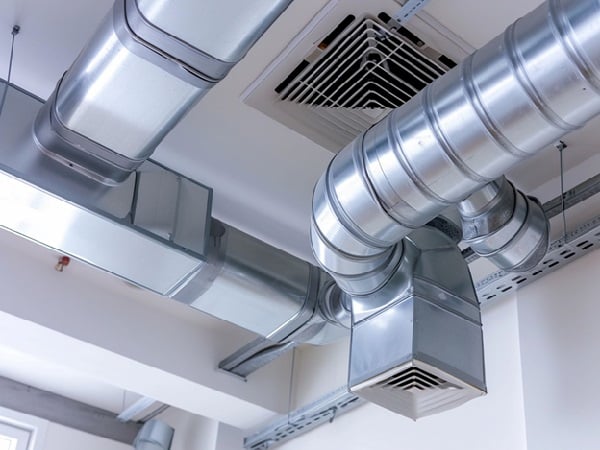
Although we’ve given you estimates of the average HVAC lifespan, some things can affect the lifespan of your business’s HVAC system.
• Component quality – Equipment that’s poorly built won’t run as long. There can be construction or design defects that cause premature failure.
• Proper Installation & Sizing – For a system to run reliably for a long time, the components have to be accurately sized to meet your needs. They also have to be correctly installed.
• Ongoing Maintenance – The better you take care of your HVAC system, the longer it will work well for you. Have it inspected and serviced regularly, and the system will keep you comfortable for longer.
• How Much It Runs – When your system is running more, whether to heat your business or cool it down, it decreases the lifespan of the unit.
• Proper Repairs – Along with maintenance, having the right repairs done is essential. Repairs should only be done by trained professionals who know your system.
• Keeping an Eye on Refrigerant – The refrigerant in your system is what cools and dehumidifies the air inside your business. Without this, it won’t properly function. Your system components will work harder and can make your system fail.
How to Extend the Life of Your HVAC System
If you want to keep your business’s HVAC system running as long as you can and not need a commercial HVAC replacement soon, there are a few things you should remember. Below are some commercial HVAC maintenance tips that you can use to keep your system running.
• Regularly change its filters. This helps your system to run more efficiently.
• Have the system inspected and serviced on a regular basis. The more often you have it maintained, the longer it will last.
• Regularly clean and remove debris from around your outdoor components. This will ensure that your unit isn’t blocked.
• Inspect & replace refrigerant when needed. When your system is low on refrigerant, it can damage your system.
If you have any other questions about keeping your system running, remember to take good care of it and it will take care of you. This will help ensure that you are making the right decisions.
In conclusion
When you want to keep your commercial HVAC system running well, make sure it’s well-maintained. Use the information and tips that we’ve offered above to help your system run well. When you do this, you’ll find that your HVAC system is keeping your business comfortable.
So, what do you think? Was our article helpful? If so, we’d appreciate it if you’d let us know. Your comments help us know how we are doing!