Switching to solar energy offers significant financial benefits. From reducing your utility bills to taking advantage of tax incentives, solar power can help you save money while contributing to a greener planet. Here's how you can maximize your savings with solar energy.
Lower Your Monthly Utility Bills
By generating your power, you rely less on the grid, leading to lower energy costs. Installing solar panels can drastically reduce your monthly electricity bills by generating your power and relying less on the grid; this is how solar energy works, leading to lower energy costs. In some cases, you might even produce excess energy that can be sold back to the utility company, further decreasing your expenses. With solar energy, you lock in your electricity rates, protecting yourself from rising utility prices.
• Energy Cost Savings: Solar panels generate electricity from sunlight, reducing your reliance on traditional utility providers. This translates to lower monthly electricity bills, especially in regions with abundant sunlight. Over time, the savings from reduced utility bills can offset the initial cost of installing solar panels.
• Net Metering Benefits: Many utility companies offer net metering programs, allowing you to sell excess electricity generated by your solar panels back to the grid. This can further decrease your monthly bills or provide credits for future energy consumption during times when solar production is lower, such as cloudy days or nighttime.
• Long-Term Financial Stability: With solar energy, you can hedge against future electricity rate increases. While utility rates tend to rise over time due to inflation and increased demand, your solar system provides a stable, predictable energy source with minimal ongoing costs after installation.
Increase Your Property Value
Homes equipped with solar energy systems often have higher property values. Buyers are increasingly interested in properties with renewable energy sources due to the long-term cost savings and environmental benefits. According to several real estate studies, homes with solar panels sell faster and at a premium compared to those without. Investing in solar energy not only saves you money on bills but also enhances your home's marketability and resale value.
• Enhanced Market Appeal: Homes with solar panels are increasingly attractive to buyers seeking energy-efficient properties with lower operating costs. Studies have shown that homes with solar energy systems sell faster and at a premium compared to homes without solar. This increased demand can translate into a higher resale value for your property.
• Long-Term Investment: Solar panels typically come with warranties of 20-25 years or more, ensuring that the investment continues to provide value over its lifespan. Potential buyers are often willing to pay more upfront for a home with a solar system that offers ongoing savings and environmental benefits.
• Appraisal Recognition: Appraisers are increasingly trained to factor in the value of solar energy systems when assessing property values. This recognition ensures that the financial benefits of solar are reflected in the appraised value of your home, further supporting its marketability and potential resale value.
Benefit from Tax Credits and Incentives
Governments and local authorities often provide tax credits, rebates, and other incentives to encourage the adoption of solar energy. For instance, the federal solar Investment Tax Credit (ITC) allows you to deduct a significant percentage of your solar installation costs from your federal taxes. Additionally, many states and municipalities offer their incentives, making the initial investment in solar more affordable and speeding up the return on your investment.
• Federal Investment Tax Credit (ITC): The federal government offers a tax credit equal to a percentage of the cost of installing a solar energy system. As of [current year], this credit can cover up to 26% of the installation costs. This incentive significantly reduces the upfront expense of going solar and accelerates your return on investment.
• State and Local Incentives: Many states, cities, and utility companies provide additional financial incentives for installing solar panels. These can include cash rebates, property tax exemptions, sales tax exemptions on solar equipment, and grants. Researching and applying for these incentives can further lower the overall cost of your solar installation.
• Accelerated Depreciation: For businesses investing in solar energy, there's an opportunity to benefit from accelerated depreciation schedules, which allow you to recover the cost of your solar investment faster through tax deductions over a shorter period.
Enjoy Low Maintenance Costs
Solar panels are known for their durability and low maintenance requirements. Once installed, they need minimal upkeep to continue functioning efficiently. Occasional cleaning and periodic checks by a professional are usually sufficient to keep the system in good working order. The minimal maintenance costs contribute to the overall financial savings, ensuring that your solar energy system remains a cost-effective investment for years to come.
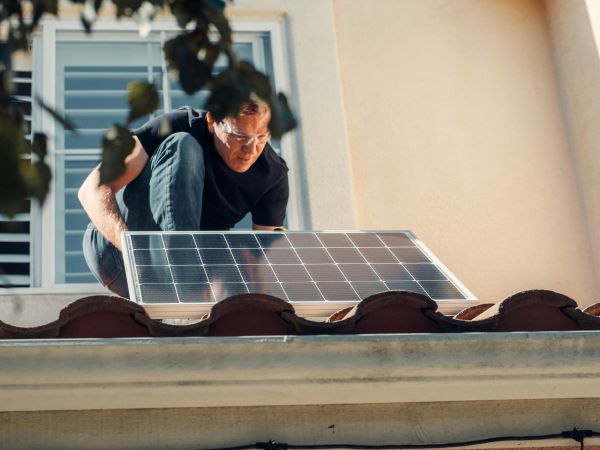
Investing in solar energy is a smart financial decision. By lowering your utility bills, taking advantage of tax incentives, increasing your property value, and benefiting from low maintenance costs, you can achieve substantial savings. Embrace solar energy to not only save money but also to contribute to a sustainable future.