Building a house is one of the most significant projects most people will ever take on. It’s exciting, but it’s also complex, time-intensive, and full of decisions that can affect your budget and quality of life for years to come. Understanding the full process before breaking ground is the best way to avoid costly surprises.
This guide explains how to build a house step by step in 2026, from early planning and design through construction and move-in, so you know exactly what to expect at each stage.
Step 1 – Decide If Building a House Is Right for You
Before committing to a new build, it’s important to decide whether building makes sense compared to buying an existing home. Building offers customization and modern systems, but it also requires patience, involvement, and financial flexibility.
Ask yourself whether you’re prepared for months of decisions, a longer timeline, and potential changes along the way. If control over layout, materials, and long-term efficiency is important, building may be the right choice.
Step 2 – Set a Realistic Budget and Timeline
Understanding Total Build Costs
Many first-time builders focus only on construction costs, but a complete budget includes land, design, permits, utilities, site work, and contingencies. In 2026, costs vary widely by region and finish level, and price-per-square-foot figures should be treated as rough estimates, not guarantees.
Financing and Construction Loans
Most new builds use construction loans, which release funds in stages as work is completed. Interest accrues during the build, so delays can increase overall cost. Planning a contingency fund helps protect against unexpected expenses.
Step 3 – Choose the Right Location and Lot
The lot you choose directly impacts design options, permitting requirements, and construction costs. Zoning rules, setbacks, utility access, soil conditions, and slope all affect what can be built and how expensive it will be.
A well-chosen lot can simplify the build. A difficult one can add months to the schedule and significantly increase costs.
Step 4 – Design the House and Create Plans
Floor Plans, Layout, and Function
Good home design starts with how you live, not just how the house looks. Room sizes, storage, traffic flow, and future needs should all be considered early, before plans are finalized.
Engineering and Code Compliance
Structural, civil, and energy requirements must be met before permits are issued. Working with professionals such as Golden State Design and Engineering helps ensure plans are accurate, code-compliant, and ready for approval, reducing redesigns and delays later in the process.
Step 5 – Permits, Approvals, and Pre-Construction Prep
Once plans are complete, they’re submitted for permits and any required reviews, including HOAs or design boards. This phase can take weeks or months depending on jurisdiction.
Ordering long-lead materials early during this phase helps prevent delays once construction begins.
Step 6 – Site Preparation and Foundation
Construction starts with clearing the site, grading, and installing utilities. The foundation is then poured or built, depending on design and soil conditions. This stage sets the physical footprint of the home and must be done precisely.
Step 7 – Framing and Structural Construction
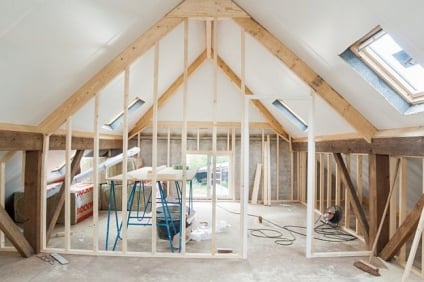
Framing brings the house to life. Walls, floors, roof systems, windows, and exterior doors are installed, creating a weather-resistant shell. Once framed, the home’s layout becomes tangible, and inspections are performed before interior work begins.
Step 8 – Rough-In Work (Plumbing, Electrical, HVAC)
During rough-ins, trades install plumbing lines, wiring, and ductwork behind the walls. These systems must be inspected before insulation and drywall are added. Coordination between trades is critical to avoid rework.
Step 9 – Interior Construction and Finishes
With rough-ins approved, insulation and drywall are installed, followed by flooring, cabinetry, trim, fixtures, and appliances. This is often the longest phase, as it involves detailed work and many sequencing steps.
Design decisions made earlier now directly affect timeline and cost.
Step 10 – Final Inspections, Walkthrough, and Move-In
Final inspections ensure the home meets all building codes. A walkthrough identifies punch-list items that need adjustment or completion. Once approved, the home is ready for occupancy.
How Long It Takes to Build a House in 2026
Most new homes take 7–12 months to build after permits are issued. Larger or more complex homes can take longer. Weather, material availability, and design changes are the most common causes of delays.
Common Mistakes to Avoid When Building a House
• Underestimating total costs
• Making major design changes mid-build
• Choosing finishes before layout is finalized
• Failing to plan for contingencies
Avoiding these mistakes starts with education and realistic expectations.
Why the Right Builder Makes a Big Difference
A skilled builder manages schedules, coordinates trades, controls quality, and keeps the project moving efficiently. Experienced builders such as Skyline Build Inc play a key role in navigating construction phases, inspections, and day-to-day problem solving, which can make the difference between a smooth build and a stressful one.
Conclusion
Learning how to build a house is about understanding the entire process, not just construction. From planning and design to permits and finishing details, each step builds on the last. With clear goals, professional support, and thoughtful preparation, building a home can be a rewarding experience that results in a space tailored to your needs for years to come.