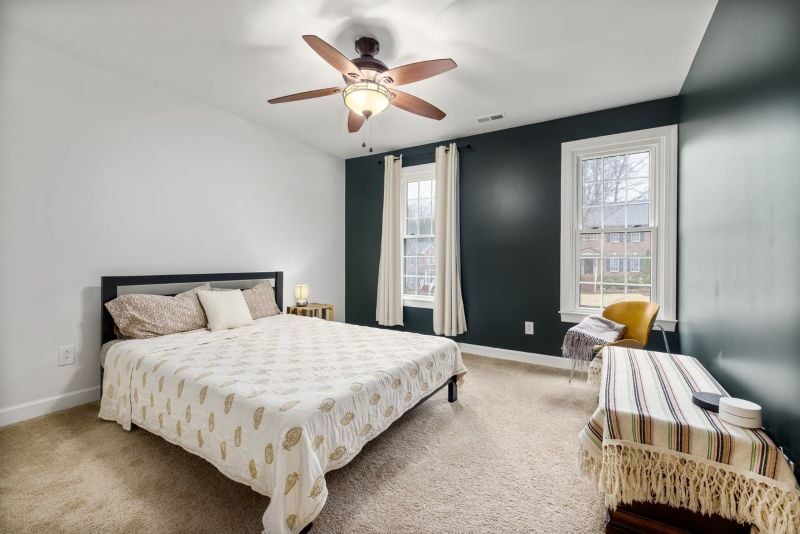
Your primary bedroom should feel like a place where you can breathe, stretch out, and stop bumping into furniture with your shin at midnight. A roomy feel is not only about square footage. It is also about layout, scale, and the small choices that make a room either peaceful or packed. If you want your bedroom to feel bigger and work better every day, a few smart updates can make a surprising difference without turning the whole space into a renovation project.
Start With Bed Scale
The bed is the biggest piece in the room, so it decides a lot before anything else even shows up. If your room feels crowded, the problem is often not the room itself. It is the size of the bed compared with everything around it.
Once you know the room can handle a larger footprint, the next question is how much bed you actually want underneath you. Length matters as much as width for taller sleepers and couples who fight over legroom, and that extra stretch is where the bigger sizes earn their place. California king beds deliver that added length, making them a smart choice as long as the room still leaves enough open space to move comfortably. A longer bed can feel luxurious, not lumbering, when the layout supports it.
Try this simple test. Tape the bed dimensions on the floor before buying anything new. Then walk around that outline like you normally would. If getting to the closet feels like a tiny obstacle course, you may need to rethink the size or shift the layout. Comfort matters, but so does being able to walk through your own bedroom without performing gymnastics.
Measure The Walking Room
One of the fastest ways to make a bedroom feel spacious is to protect the paths you use every day. That means the space beside the bed, the route to the closet, and the area near the door should feel easy, not squeezed.
A good rule is to leave enough room to walk naturally without turning sideways like a crab. Around two to three feet beside the bed is often comfortable in a primary bedroom. If you cannot get that much, do your best to keep the main walkway clear on at least one side.
Also, check what happens when drawers open. A dresser might fit on paper, but if the drawers hit the bed or block the closet, it is not really fitting. Measure with doors and drawers in use, not only when everything is shut. Real life is not a furniture showroom. You need a room that works when laundry baskets, slippers, and sleepy mornings are part of the picture.
Use Furniture That Fits
A spacious bedroom usually has fewer pieces, but better ones. That does not mean empty. It means each item earns its spot. Oversized dressers, extra chairs, or chunky nightstands can make a decent room feel stuffed in a hurry.
Pick furniture that matches the room’s scale. In a tighter bedroom, narrower nightstands and taller dressers often work better than wide, bulky pieces. You get storage without eating up too much floor space. A bench at the foot of the bed can be helpful, but only if you can still move around it easily.
Look for furniture that does double duty. A nightstand with drawers, an ottoman with storage, or a bed frame with built-in compartments can reduce clutter elsewhere. That way, the room feels functional without looking overloaded. Think of it like packing for a trip. Bring what you need, not the whole house.
Keep Sightlines Open
Even when a room has enough square footage, visual clutter can make it feel much smaller. When your eye hits too many heavy objects at once, the whole space seems busier and tighter.
One helpful trick is choosing furniture with visible legs instead of pieces that sit like solid blocks on the floor. A little open space underneath helps the room feel lighter. Mirrors can also help by bouncing light around and giving the sense of more depth, especially across from a window.
Window treatments matter more than people think. Thick, dark curtains can make the walls feel closer. Lighter fabrics or cleaner-lined panels usually keep things feeling open. Try not to block windows with tall furniture if you can help it. Natural light is basically your room’s best wingman. It makes everything look a bit bigger, brighter, and less grumpy.
Create Smart Storage Zones
A room can have great furniture and still feel cramped if stuff lands everywhere. Clothes on a chair, extra blankets on a bench, books on the floor, and cords on every surface can shrink a room fast.
Set up simple storage zones based on what you use most. Keep everyday clothes close to where you get dressed. Store extra bedding in one dedicated spot, whether that is under the bed, in a closet bin, or inside a storage bench. Jewelry, watches, chargers, and small personal items need a home too, or they start a tiny rebellion across every flat surface.
The goal is not to make your bedroom look staged. It is to make daily life easier. When the floor stays clear, and surfaces hold only a few useful or meaningful things, the room instantly feels more open. Less visual noise gives the whole space a calmer, more breathable vibe.
Choose A Calmer Palette
Color cannot add square footage, but it can change how a room feels. Lighter shades often help walls seem farther apart, while a calmer palette makes the room feel less busy.
Soft whites, warm beige, light gray, muted green, and sandy tones are all easy choices for a bedroom that you want to feel airy. That does not mean the room has to look boring or like plain toast. Texture can do a lot of the heavy lifting. Layer bedding, rugs, and curtains in similar tones to keep things interesting without making the space feel chopped up.
If you like contrast, use it in smaller ways. A darker headboard, a few accent pillows, or framed art can add depth without weighing down the room. Try to avoid too many competing patterns. When every item wants attention, the room starts to feel crowded even if it is technically tidy.
Finish With Small Comforts
Once the big layout choices are right, the final details help the room feel finished and welcoming. This is where comfort steps in without making the space feel overdone.
Lighting is a big one. Instead of relying only on one ceiling fixture, add bedside lamps or wall sconces for softer layers of light. A properly sized rug can also help anchor the room and make it feel intentional. Ideally, it should extend beyond the sides of the bed so the room looks balanced, not patchy.
Then add just a few personal touches. Maybe a plant, a framed photo, or one decorative tray on the dresser. You want personality, not clutter, with a good publicist. If every item has a purpose or brings you a little joy, the room will feel restful instead of random. That is what makes a primary bedroom feel truly spacious. Not empty, just easy to live in.