A boiler is a device that uses water to generate steam and hot water. As a result, boilers may provide more than simply hot water for your home; they can also generate heat by dispersing steam via pipes and radiators. Due to the critical nature of boiler heating systems, it's necessary to maintain them regularly to guarantee that they continue to operate correctly throughout the year.
Here are some tips for maintaining your boiler heating system throughout the year so that you and your family do not have to sacrifice comfort any season:
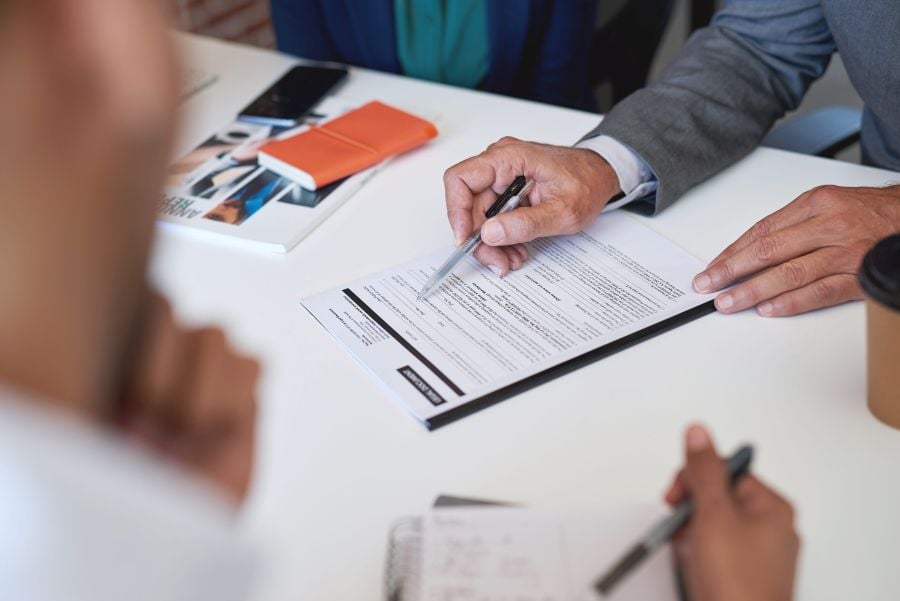
1. Hire Annual Maintenance Service
Like a car, your boiler is a massive, sophisticated machine that needs routine maintenance. Numerous boiler problems can be mitigated or avoided with a bit of proactive effort. You want to be aware of and address any issue that could jeopardize you or your family.
The best plumber and most excellent boiler specialists will be capable of identifying and resolving various difficulties before these become problems themselves. This will ensure that you are not startled if the boiler fails due to these unresolved issues, leaving you with a cold house and a hefty expense.
2. Conduct A pH Test
The liquid within a boiler must maintain the proper pH level to operate successfully. You can physically inspect it by opening the drain valve and emptying some fluid. If the solution appears clear, perform a pH test. The heat exchanger's composition dictates the required pH value. Cast iron, stainless steel, or copper have a long service life and a wide operating temperature range. Aluminum is more corrosive than magnesium and may require a specific pH.
Consult the boiler's installation and operation instructions to discover the acceptable pH range. After that, the system should be tested. There are test strips available with a color-coded readout. A digital pH meter should be used if a more exact reading is required for an aluminum system.
3. Flush Your Boiler
Flushing the boiler can improve its efficiency and extend its life. This cleaning should be performed at least every five years but may be advised annually depending on the minerals in your water source. Consider having your boiler sanitized as part of your annual maintenance.
Turn off the boiler's water and electricity and wait for the water to cool slightly before opening the radiator vents and connecting a hose to the boiler's drain. Wait for the unclean water to clear after attaching the hose. Close the radiator vents and reconnect the water supply to refill the radiator.
4. Clean And Replace Filters
Filters that have become clogged in improperly maintained heating systems can expose your family to dust and allergens. To avoid such health hazards, you should replace filters regularly. Make an appointment with a professional to have the filters cleaned and changed.
Not only does replacing your filters enhance the quality of the air in your house, but it also helps your system run more efficiently. A clogged filter restricts airflow to your system, resulting in increased energy consumption and a host of operational issues, including a cold house, furnace failure, and malfunctioning heat exchangers.
5. Check Chimneys And Vents
The boiler's vent connection and chimney deteriorate over time, which is why it is critical to ensure that it is neither leaking nor out of service. Conduct a visual inspection of the chimney for holes or damaged connections, paying particular attention to where the vent links to the boiler unit. Physically inspecting each of these systems several times a year will assist you in predicting when problems will occur and when a repair will be necessary.
6. Invest On A Thermostat
A programmable thermostat is required to provide an even heat distribution throughout your home. If you do not have a programmed thermostat, your boiler may struggle to maintain the varied temperature settings. With a programmable thermostat, you can set different temperatures at different times of the day, allowing the boiler to run more reliably and saving you money on your monthly heating bills.
7. Tune Your Heat Pump
Proper heat pump maintenance is critical to ensuring that your heating system operates efficiently throughout the peak season. Because your heating systems remain operational throughout the year, schedule a heat pump tune-up twice a year. This is because the usual wear and tear of your heating system may affect its functionality. To keep your room warm and comfortable, you need a heater that has a reliable, safe, and adequate heat pump.
Takeaway
Without routine maintenance, boilers corrode and become inefficient, resulting in increased service calls and shorter equipment life. A new boiler is a significant investment, costing several thousand dollars. Thus, maintain your boiler properly so it will supply nearly a decade of reliable heat. Ensure that these basic maintenance tasks are completed, and you should be able to avoid costly repairs or system malfunctions.