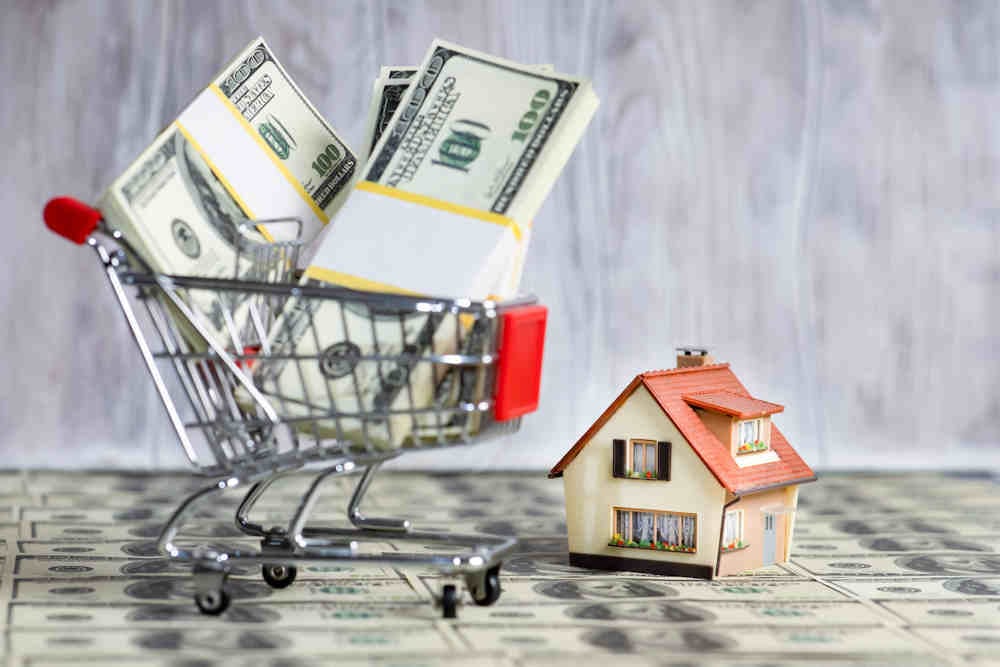
If you’re thinking you may be ready to become a homeowner, but you’re not quite sure what your first steps should be to get prepared, saving for your down payment is a solid place to start. It’s entirely possible for your down payment to set you back tens of thousands of dollars, so having a saving strategy is a must. Here are the first few steps you should take to start actively saving for your home’s down payment.
Know What You Need
If you want to start saving to own your own home, the first thing you have to figure out is just how much you’re trying to set aside for the down payment. This means having at least a ballpark idea of what kind of loans you will pursue and/or qualify for, as well as what your ideal budget will be when you begin house hunting.
That’s because figuring out how much you need depends on the percentage of your potential home’s value you’re going to put down; for example, if you’re going to put 20 percent down on a $300,000 home, you’re going to need a whopping $60,000 ready to go. Cha-ching.
While many lenders do prefer or even require a full 20 percent deposit (and there are obvious financial benefits to putting more money down upfront), there are plenty of loan options that require far less cash to get started, like FHA (Federal Housing Administration) loans, which typically require around 3 percent down.
Create a Special Account
Once you’ve set some goals for the amount of money you’re trying to save, the next step is to create an account exclusively for the purpose of saving for your down payment. You don’t want to be tempted to use this account for the everyday emergencies that crop up—your car needs new brakes, the water heater died, or you forgot about your anniversary next month. Whatever your ordinary reasons for dipping into your cash stash every now and then (we all do it), you want to protect your nest egg from disruption.
If possible, set it up so that you contribute a fixed amount each month, preferably through direct deposit and fully automated online. This helps to ensure you pay yourself first and don’t spend money you could have saved to put toward your long-term homeownership goals.
Pay Down Debt
It goes without saying that you can afford to save more money and cover the costs of a larger mortgage if you aren’t carrying a huge debt burden, but having a poor debt-to-income ratio can prevent you from getting a loan altogether. In fact, if your debt-to-income ratio is above 43 percent, even a healthy down payment savings may not be enough to obtain a loan.
According to the Consumer Financial Protection Bureau, “your debt-to-income ratio is all your monthly debt payments divided by your gross monthly income. This number is one way lenders measure your ability to manage the payments you make every month to repay the money you have borrowed. The 43 percent debt-to-income ratio is important because, in most cases, that is the highest ratio a borrower can have and still get a Qualified Mortgage.”
One of the most effective ways to tackle your debt is to find out if you qualify for a balance transfer credit card, which can help you to pay down high-interest credit card debt more quickly by moving it over to a low or 0% interest credit card. This can save you hundreds of dollars each month in unnecessary interest spending and drive down those debts at a much faster pace.
Liquidate Your Assets
While it’s true that most of us have plenty of clutter around the house we could sell off to quickly make a few extra bucks to toss in the savings account, a big garage sale probably isn’t going to be enough to really generate the kind of nest egg you’re hoping to build. And up until very recently, liquidating other assets—like copyrights, patents, businesses, real estate, and other commodities—has been a time consuming and costly ordeal.
The good news is that blockchain technology is making it possible to liquidate larger assets through tokenization; companies like TrueToken are enabling the trade of real-world assets through the exchange of blockchain tokens. TrueToken is “the world’s first platform to securitize and transact real-world assets on blockchains in a way that is legally enforced, audited, and insured,” says the website. The applications and potential impact of the tokenization of real-world assets will be huge, enabling big investors to crowdfund just as easily as it will allow the average consumer to exchange hard-to-trade assets over the internet.
Are you a new homeowner? Share your saving strategies in the comments below!