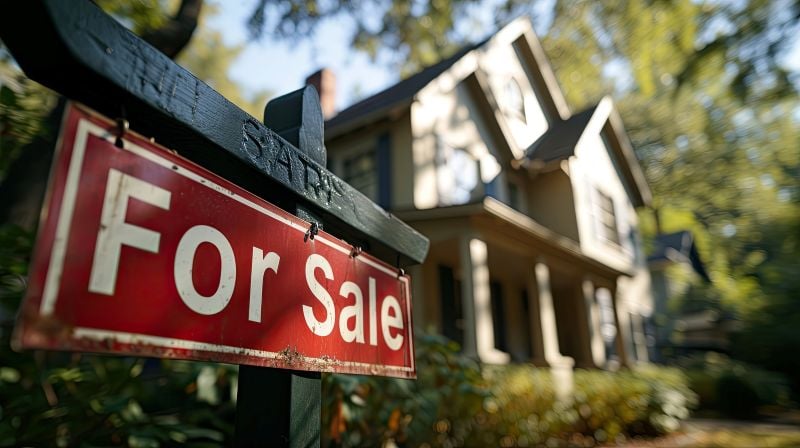
Homeownership is one of the most significant financial commitments many people make, and protecting that investment requires attention to every detail of the property, including its landscape. Working with a Maryland tree experts company can provide homeowners with specialized services that focus on maintaining tree health, preventing structural risks, and enhancing overall property value. Trees may seem like passive features, but they actively influence safety, curb appeal, and long term maintenance costs. Understanding how tree care fits into year round property protection can help homeowners make smarter decisions and avoid unexpected expenses.
The Role of Trees in Property Value
Trees contribute significantly to the visual appeal of a home, creating a sense of maturity and stability that buyers often find attractive. A well maintained yard with healthy trees can increase perceived value and make a property stand out in a competitive market. This added appeal can translate into faster sales and higher offers when it comes time to list.
However, neglected trees can quickly have the opposite effect, making a property look unkempt or even unsafe. Dead branches, uneven growth, and visible decay signal potential issues that may concern buyers and inspectors alike. Regular maintenance ensures that trees enhance rather than detract from the overall value of a home.
Preventing Structural Damage Through Tree Care
One of the most important reasons to maintain trees is to protect the physical structure of your home. Overgrown branches can scrape against roofs, damage siding, and clog gutters, leading to costly repairs over time. Root systems, if left unchecked, can interfere with foundations, driveways, and underground utilities.
Routine inspections and pruning help identify and address these risks before they escalate into major problems. Professional tree care ensures that growth is controlled and that potential hazards are removed safely. This proactive approach can save homeowners from expensive structural repairs in the future.
Seasonal Maintenance Matters
Tree care is not a one-time task but an ongoing process that changes with the seasons. In spring and summer, trees grow rapidly and require pruning to maintain shape and remove weak or damaged limbs. This helps promote healthy development and reduces the risk of branches breaking during storms.
In autumn and winter, maintenance focuses more on preparation and protection. Removing dead wood, assessing structural stability, and preparing trees for harsh weather conditions are essential steps. Year-round attention ensures that trees remain resilient and do not pose unexpected risks during seasonal changes.
Protecting Against Storm and Weather Damage
Severe weather events can cause significant damage to both trees and homes if proper precautions are not taken. Strong winds, heavy rain, and snow can weaken branches or cause entire trees to fall, posing serious safety hazards. Properties with poorly maintained trees are particularly vulnerable during storms.
Regular trimming and structural assessments reduce the likelihood of storm related damage. By removing weak limbs and ensuring balanced growth, homeowners can minimize risks and protect their property. Investing in preventative care is far more cost-effective than dealing with emergency tree removal or home repairs after a storm.
Enhancing Safety for Residents and Visitors
Safety is a critical aspect of homeownership, and trees play a larger role in this than many people realize. Low-hanging branches, unstable trunks, and hidden decay can create dangerous conditions for residents and guests. These risks can lead to injuries and potential liability issues.
Consistent tree maintenance helps eliminate these hazards and creates a safer environment around the home. By addressing potential dangers early, homeowners can reduce the risk of accidents and ensure that outdoor spaces remain enjoyable. This attention to safety also contributes to peace of mind for everyone on the property.
Long Term Cost Savings and Sustainability
Maintaining trees regularly can lead to significant long-term savings by preventing costly emergencies. Addressing small issues early, such as minor decay or uneven growth, is far less expensive than dealing with major damage later. Preventative care helps extend the lifespan of trees and reduces the need for full removal.
In addition to financial benefits, healthy trees contribute to environmental sustainability and energy efficiency. Properly placed and maintained trees can provide shade, reduce cooling costs, and improve air quality around the home. These advantages make tree care an investment not only in property value but also in long-term environmental health.
Tree maintenance is an essential yet often overlooked aspect of protecting a home investment year-round. From enhancing curb appeal to preventing structural damage and ensuring safety, well-cared-for trees play a vital role in a property's overall condition. By committing to regular inspections and professional care, homeowners can safeguard their investment and enjoy the lasting benefits of a healthy, well-maintained landscape.