Buying a house is a life-changing event—one that represents a major financial commitment and a new chapter in your personal story. Whether you’re buying your first home or upgrading to something bigger, the process can be thrilling, daunting, and at times, overwhelming. It's easy to get caught up in the excitement of finding the perfect home, but careful thought and planning are necessary to make sure the house you choose is truly the right fit for your lifestyle, budget, and long-term goals.
Before you sign any paperwork or start packing boxes, it's important to consider all aspects of homeownership, from your financial readiness and the local market to what happens after the sale is finalized. There’s more to the home-buying process than just finding a property you love—it’s about making a wise investment that will serve your needs for years to come. In this article, we’ll walk you through key considerations both before and after buying a house, offering practical advice and expert tips to help you navigate this exciting yet challenging process.
Before You Buy a House: Key Steps to Take
1. Know Your Budget
The first thing you should do before starting your house hunt is determine how much you can afford. A house is a long-term financial commitment, so it’s crucial to assess your budget carefully. Take into account your monthly income, current debts, and expenses, and get pre-approved for a mortgage if possible. Lenders usually suggest that your monthly mortgage payments should not exceed 28-30% of your gross monthly income.
To get a better idea of what you can afford, use an online home mortgage calculator. This tool can help you estimate your monthly payments based on the loan amount, interest rate, and loan term, allowing you to see how different scenarios impact your budget. It's also important to factor in other homeownership costs, such as property taxes, homeowners insurance, maintenance, utilities, and any homeowner association (HOA) fees that may apply.
2. Research the Market and Location
The real estate market can vary greatly from one location to another, and the best area for you depends on your priorities. Do your homework on the neighborhoods you’re interested in. Consider factors like:
• Proximity to work, public transportation, and schools
• Crime rates and overall safety
• Local amenities such as parks, shopping centers, and entertainment
• Future developments or construction in the area, which could affect your home’s value
Don’t just rely on online research—visit the neighborhoods during different times of day to get a true feel for the area.
3. Understand Your Must-Haves vs. Nice-to-Haves
It’s easy to get carried away with the excitement of buying a home, but understanding what you absolutely need versus what you can live without is crucial. Consider factors like the number of bedrooms and bathrooms, outdoor space, storage, and other amenities. Make a list of non-negotiable features and differentiate them from extras that are “nice-to-haves.” This will help you focus on what truly matters to you.
4. Inspect the Property Thoroughly
Once you've found a home you like, don't skip the home inspection. Hiring a professional inspector can uncover potential issues that might not be immediately obvious, such as problems with the foundation, roof, plumbing, or electrical systems. A home inspection can save you from costly repairs down the line and give you negotiating leverage to either get a better price or have the seller address repairs before you move forward.
5. Evaluate the Future Resale Value
While buying a home is about finding the right place to live, it's also an investment. Consider how easy it will be to sell the property later on. Look for homes in neighborhoods with a history of steady appreciation, as these areas are more likely to offer a good return on investment if you decide to sell down the road.
After You Buy a House: What to Keep in Mind
1. Budget for Ongoing Maintenance
Now that you’ve purchased your dream home, it’s time to shift focus to maintaining it. Home maintenance is an ongoing responsibility, and it’s easy for small issues to become big, expensive ones if they’re not dealt with quickly. Set aside an emergency fund for repairs and regular maintenance tasks like cleaning gutters, servicing HVAC systems, or replacing worn-out appliances.
2. Adjust to Homeownership Costs
When you rent, your landlord usually takes care of repairs and maintenance. As a homeowner, you’re responsible for everything. It’s a good idea to keep track of both expected and unexpected costs that may pop up. Set realistic monthly budgets for utilities, repairs, upgrades, and lawn care or snow removal, as needed.
3. Personalize Your Home, But Be Smart About Renovations
One of the exciting parts of homeownership is making the space your own. Whether it’s renovating a bathroom or painting the walls, it’s tempting to dive right in. However, it’s essential to prioritize projects that will give you the most value and enjoyment. Consider the return on investment for any home improvements you’re planning to make, especially if you’re thinking of selling in the future. Major renovations may not always add as much value as you might expect.
4. Stay On Top of Your Mortgage
Paying your mortgage should always be a top priority. Missing payments can lead to late fees, damaged credit scores, and, in extreme cases, foreclosure. Many homeowners set up automatic payments to avoid any oversight. If you’re having trouble making payments, contact your lender right away to discuss potential options, such as refinancing or modifying your loan.
5. Build Home Equity
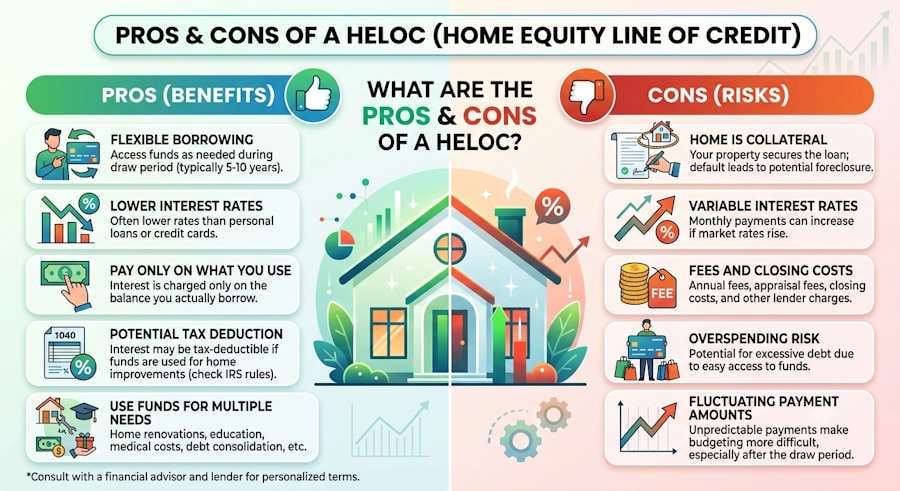
One of the biggest advantages of homeownership is the ability to build equity over time. As you pay down your mortgage, you begin to own a larger portion of your home. This equity can be used as leverage for future financial decisions, such as refinancing for a lower interest rate, taking out a home equity loan, or selling the home for a profit down the road.
Final Thoughts
Purchasing a house is more than just a transaction—it's a commitment that requires careful thought before and after the purchase. By taking the time to assess your budget, research locations, and thoroughly inspect properties, you'll be better equipped to find the right home for your needs. Afterward, being proactive about maintenance and budgeting for long-term homeownership costs will ensure your investment pays off and your home remains a sanctuary for years to come. Keep these considerations in mind, and you'll navigate the homebuying process with confidence.