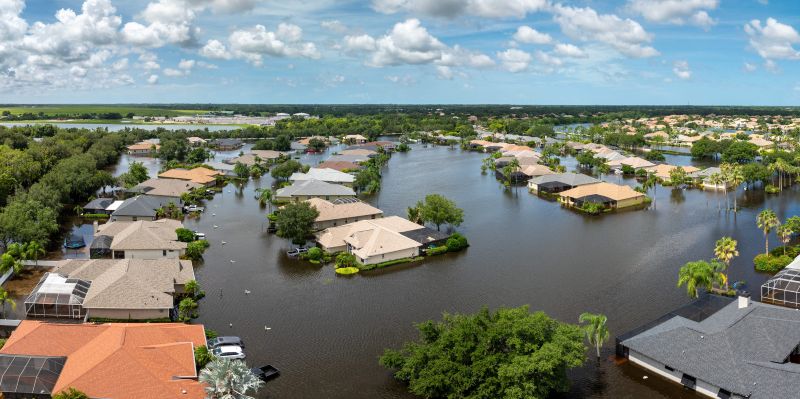
If you’re a homeowner, you might be facing a very troubling dilemma: your property is in a flood zone, but your house is not.
While this might mean your house is above the plain level and not at risk of flooding under normal circumstances, it can have severe repercussions for your land. As such, it’s essential to take the appropriate action.
Even if your property never floods, understanding that it’s in a flood zone and knowing what to do about that will make everything from insurance to appraisals easier.
Our team here at ServiceMaster by Zaba put together this article that outlines what you need to know:
When Your Property is in a Flood Zone: 3 Tips to Cope
Living in a flood zone can be a harrowing experience. Luckily, these tips can make it easier to manage.
1. Understand the Boundaries of the Flood Zone
If you’re not sure where, precisely, the flood zone lies, check out The Federal Emergency Management Agency’s (FEMA) flood overlay maps, which showcase areas where floods resulting from severe weather are most likely to take place.
While it can be a bit scary to research this information, understanding your home’s flood zone classification makes it easier to make good decisions down the road.
If you are in a FEMA-designated flood zone, you’ll need flood insurance. Even if you’ve paid off your mortgage and are no longer required to carry flood insurance, having it is essential for these flood-prone areas.
2. Don’t Rely on Your Homeowner’s Insurance
If the property is in a flood zone, but the house is not, get insurance regardless. While some people believe they can depend on their homeowner's insurance to cover them in the event of a flood, this isn’t true.
In fact, homeowners insurance rarely covers flooding. With this in mind, be sure to invest in quality flood insurance, even if only a small portion of your property is in the flood zone.
When you consider that flooding can occur from snow melt, blocked storm drains, natural disasters, and frozen pipes, it becomes clear that you're very likely to use your flood insurance at some point in your home ownership journey.
3. Make Structural Improvements
Wherever possible, make structural improvements to your land to minimize the damage of flooding.
These may include water-guarding sensitive components like electrical or HVAC systems and keeping a supply of sandbags on hand to re-route flooding away from critical areas of the home or property. For more information, check out this list of FEMA-issued suggestions on how to protect your property from flooding.
Protect Your Property Against Flooding
When part of your property is in a flood zone but not the house, it’s important to take precautions regardless. Understanding the boundaries of your flood zone allows you to protect your home and prepare for high water levels.
This, in turn, makes expensive repairs less likely and preserves the value of your property and home.