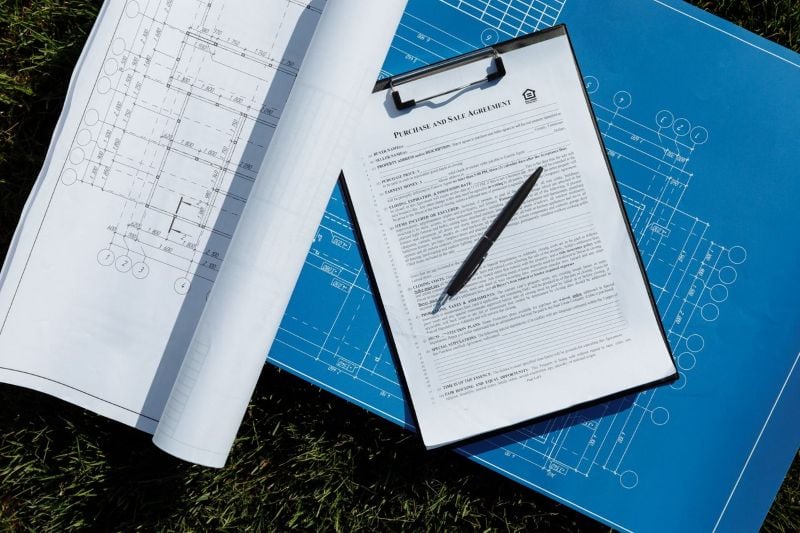
Estate planning gets complicated fast when real estate is in the mix.
Your home, rental property, cabin, land - they all introduce extra layers of paper work, legal obligations and decisions that the average homeowner doesn't want to deal with. Here's the deal:
Getting it wrong can cost your family thousands (or even the property itself).
The good news?
By completing your real property transactions properly -- with the correct documents notarized -- you can protect your real property and ensure that it goes where you intend.
Here's what's inside:
- Why Real Property Makes Estate Planning Different
- The Role of Notarization in Real Estate Documents
- Key Estate Planning Documents That Need a Notary
- Common Real Property Estate Planning Mistakes
- How To Prepare for Your Notary Appointment
Why Real Property Makes Estate Planning Different
Real property is not like your other assets.
You can't write "leave the house to a daughter" on the back of a napkin and expect someone to do that. Real Estate has titles, deeds, mortgages, and tax ramifications.
Here's the reality...
Only 32% of Americans have a will, leaving the majority of homeowners without an estate plan for one of their largest assets. What's more? Almost 70% of property owners expect to pass real estate onto their heirs someday, but most have no legal documents in place to do so.
Real property adds a few layers of complexity:
-
-
- Title transfers must be done in a specific legal way
- Deeds need to be signed, witnessed, and often notarized
- Tax implications vary depending on the type of transfer
- Multiple heirs can create disputes if the paperwork isn't clear
-
Which is why estate planning that involves real estate should be given much more consideration.
The Role of Notarization in Real Estate Documents
Notarization is one of the most overlooked (but critically important) parts of estate planning.
Why? Because most estate planning instruments that deal with real property aren't valid unless notarized. Deeds, transfers into/out of trusts, and affidavits of property all must be signed in the presence of a licensed notary public.
This is where a traveling notary comes in.
Traveling notaries come to you. Companies such as Superior Notary Services will dispatch a licensed traveling notary to your doorstep so you can get real estate documents notarized in the comfort of your home. Having a notary come to you is especially beneficial for elderly real estate owners, sick families, or anyone who is pressed for time.
Here's why a traveling notary matters so much for estate planning:
-
- Many people planning their estate are elderly or have mobility issues
- Real estate documents often need to be signed quickly
- Multiple family members may need to sign at the same time
- Some documents require the notary to physically verify identities on-site
A traveling notary makes all of this dramatically easier.
Key Estate Planning Documents That Need a Notary
Alright, now let's review which documents specifically require notarization when real property is involved.
Deeds
Every transfer of real estate must be by an executed deed. This can be a quitclaim deed, warranty deed, or transfer-on-death deed. All deeds must be notarized and filed with the county recorder.
Skip this step, and the transfer won't hold up.
Living Trusts
When transferring real property into a living trust, the living trust documents should be notarized. In addition to notarizing the trust, the deed transferring title to the property should also be notarized.
Power of Attorney
A durable power of attorney allows another person to act on your behalf regarding real estate-related matters if you are unable to do so. This is one of the most common documents notarized for estate planning purposes — and mistakes can be disastrous.
Property Affidavits
Affidavits of survivorship, affidavits of homestead, and affidavits of small estate must all be notarized.
Skip any of these, and your estate plan may crumble during probate.
Common Real Property Estate Planning Mistakes
Homeowners make several costly mistakes time and time again. Learn what they are and you'll spare your family headaches down the road.
Not Updating The Deed After Life Changes
Marriages. Divorces. Deaths. They all alter who should be on the deed. Most never make those changes. It creates huge problems when the estate is administered.
Assuming A Will Covers Everything
Estate planning dipped 6% in 2024, the first decrease in four years. And even homeowners who have wills often think the will itself will transfer real property.
It won't.
You still require valid deeds, trusts or transfer-on-death designations to actually transfer real estate to your heirs.
Skipping Notarization
Cutting corners by not having a document notarized or using an online service that isn't acceptable in your state is a huge error that will nullify the document.
Not Considering Out-Of-State Property
Have a second home in another state? That vacation home will probably have to go through probate in that state - independent of your primary residence. Proper planning before death can eliminate months of court involvement for your family.
How To Prepare For Your Notary Appointment
Getting ready for a notary appointment is easy if you know what to do.
Here's a quick checklist:
-
- Gather all documents that need signing
- Bring valid government-issued photo ID
- Have any co-signers or witnesses ready
- Don't sign anything until the notary tells you to
- Bring the property description or deed reference
When scheduling a mobile notary, they will usually verify exactly what you need ahead of time. This allows you time to get prepared instead of panicking at the last minute.
Pretty simple, right?
Bringing It All Together
Adding real property to your estate plan can complicate things- but it doesn't have to be confusing.
By executing the proper documents and having them properly notarized, you can preserve your home and other real estate holdings for the next generation. Let's summarize what needs to occur:
-
- Inventory your real property so nothing gets missed
- Prepare the right documents including deeds, trusts, and affidavits
- Get everything notarized by a licensed notary public
- Update your plan whenever life changes happen
- Consider a traveling notary if getting to an office is tough
The biggest beneficiaries of estate planning are families that take the time to do it properly. Your home is probably your largest asset. If you plan your estate like that, your family will thank you.