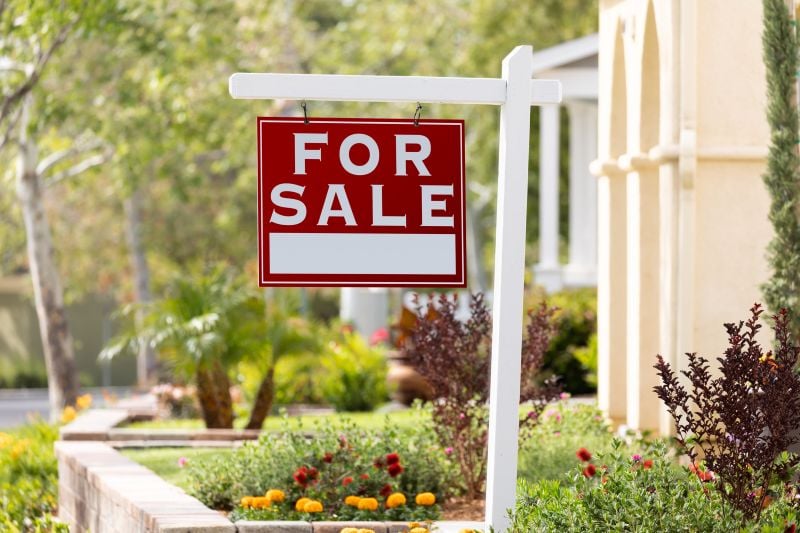
Housing is the most important asset for most American families, so it is wise to protect it with a good insurance policy. The insurance industry, however, is a world of sharks and very knowledgeable people.
To figure out how to choose the best insurance, I thought to write this guide to help you in your selection by providing all the elements necessary, with references to request a quote tailored to your needs.
How to Choose the Best Home Insurance Policy
You must analyze several criteria and steps before buying an insurance policy. I'll talk about this throughout the article. By examining the problems individually in a handy spreadsheet, you can easily decide what policy is right for you. Also, be sure to print this spreadsheet out for you to read and check at the appropriate time:
1. Understand what you’re looking for: This simple method of selection is also useful in this scenario. The same way that you do not buy coffee or sandwiches before thinking about prices and ingredients, you must try to understand the different types of insurance policies available on the market.
2. Choose the type of insurance you need: If you aren't aware by now, not all of the insurance policies are identical and only a few of them are good for your home. You may choose the accessory coverage freely but starting today to find out the ideal solution for your needs, will help you in the future.
3. Save, but be cautious: as you are not buying this policy for a standard product, it's not as easy as selecting car insurance. You need cost-based reasoning vs. opportunity approach. For example: if you have a cheap offer but a lower coverage for a more expensive property, try to consider if saving money is more important than spending a few more dollars to feel more secure. Which brings us to the more practical part of our home insurance spreadsheet:
Finding the right "insurance size"
Let's start with the most obvious issue in choosing from a plethora of insurance policies, the amount to be insured. When in search of insurance for your home, we generally recommend two types of insurance:
• First, absolute risk insurance: in this case, the possible amount of theft and the reimbursement of the fire are determined in advance and are directly related to the premium. Thus, we avoid real estate valuations, excessive investigations, stolen or destroyed surveys, etc. This is much easier to understand and manage, but insurance policies offering this type of format are becoming less prominent in the industry.
• Full-value policies: they fully cover the real value of insured property destroyed or stolen. The value is determined by an intermediate report. In this case, you have an organizational problem. First, you must be subject to frequent revisions, as the value of your movable and immovable property can vary considerably and you may have conflicts with your insurance company, which could even result in extrajudicial hearings.
Types of insurance policies
As expected, not all directives are the same. Let's try a stock evaluation of the situation.
Fire Insurance Policy: What does it cover?
The second part of home and theft insurance is certainly the most complicated. In fact, some events are usually covered by guidelines such as voltage dips, weather conditions, lightning, etc. However, if the fire is due to poor maintenance, negligence, design flaws, or property damage, this may not be the case. Protect yourself. Always remember that all fire hazards are effectively covered by your insurance policy.
What about Theft Insurance?
Standard contracts offered by companies generally cover only burglary cases. If you forget to close the door, you will not be covered. In this case, also be careful not to leave the house uninhabited for too long. In fact, the standard clauses avoid repayment of uninhabited housing for more than 45 days and, secondarily, up to 15 days for theft of money, jewellery or other valuables.
The Knowledge of the Mortgage is Necessary
Today, the law obliges borrowers to a policy that protects them at least in the risk of explosion and fire. Although this may seem like a bank protection policy, it protects everyone. In case of fire without insurance, you may end up paying on a mortgage for a house that no longer exists.
Insurance Quotes
After understanding the criteria for choosing the best policy, we can move to the budget area. Because of the complexity of choosing a policy, I recommend consulting an advisor who has your best interest in mind. Consulting someone knowledgeable can help you choose the most suitable coverage for your property. For this reason, you can rely on this convenient service: you will be contacted in a short time by the agent closest to you to make an appointment and prepare a personalized quote.