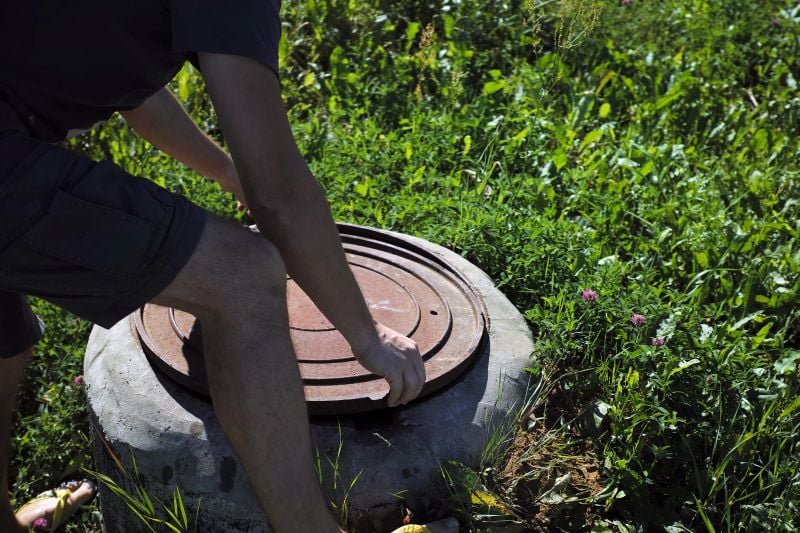
Manhole covers are essential components of urban infrastructure, acting as the primary access points for underground utility networks, sewer systems, and drainage lines. While often overlooked by the general public, these covers play a critical role in public safety, environmental protection, and infrastructure maintenance. For decades, the industry relied almost exclusively on heavy, traditional materials. However, modern engineering has introduced advanced alternatives that challenge the dominance of older solutions.
Choosing the right cover involves understanding the specific needs of the location, the traffic load, and long-term maintenance goals. Today, the debate often centers on whether a traditional metal option or a high-performance plastic sewer cover is the better investment for a specific project. This article explores the fundamental differences between these two materials, helping engineers and property owners make informed decisions for their infrastructure needs.
Understanding Cast Iron Manhole Covers
Cast iron has been the industry standard for over a century. Known for its incredible strength and durability, it has been the go-to material for roads, highways, and industrial zones where heavy traffic is a constant factor.
The Strengths of Cast Iron
The primary benefit of cast iron is its load-bearing capacity. It can withstand the intense weight of heavy trucks, buses, and constant traffic flow without bending or cracking. In high-traffic urban environments, cast iron provides a sense of security because engineers know exactly how the material will behave under stress. Furthermore, it is non-flammable and resistant to extreme temperature fluctuations, which is vital for outdoor infrastructure exposed to all seasons.
The Limitations of Cast Iron
Despite its strength, cast iron has significant downsides:
-
- Weight: Cast iron is extremely heavy. Installing or removing a single cover often requires heavy machinery or multiple workers, which increases labor costs and the risk of workplace injuries.
- Corrosion: Cast iron is susceptible to rust, especially when exposed to moisture, road salts, or chemicals. Over time, this corrosion can weaken the structure and make the cover difficult to remove.
- Theft: Because of the value of scrap metal, cast iron covers are frequently targets for theft, which creates dangerous open holes in public areas.
- Noise: In residential areas, loose-fitting cast iron covers can rattle and clatter whenever a vehicle passes over them, causing persistent noise pollution.
The Rise of Plastic Manhole Covers
Modern engineering has led to the development of high-performance plastic covers, typically made from high-density polyethylene (HDPE) or composite materials. These are not the "plastic" buckets people think of; they are advanced, engineered products designed to handle substantial pressure.
The Advantages of Plastic Infrastructure
Plastic and composite covers have gained popularity for several reasons:
-
- Lightweight Design: These covers are a fraction of the weight of cast iron. They can often be handled by a single technician without the need for cranes or specialized equipment, significantly reducing maintenance time.
- Corrosion Resistance: Plastic does not rust. It is entirely unaffected by water, road salts, chemicals, or acidic soil conditions. This makes them ideal for areas with high moisture or chemical exposure.
- Safety and Maintenance: Because they are lightweight, there is a much lower risk of back injuries for maintenance workers. They also do not rattle, making them a much quieter choice for residential streets and pedestrian zones.
- Theft Deterrence: Plastic covers have no scrap value, making them much less likely to be stolen than their metal counterparts.
Are There Downsides?
While highly effective, plastic covers are not intended to replace cast iron in every scenario. Their primary limitation is load capacity. While reinforced composite covers can handle pedestrian traffic and even light vehicle traffic, they may not be suitable for high-speed highways or areas with extremely heavy industrial machinery where cast iron remains the superior structural choice.
Comparing Key Performance Factors
To choose the right cover, you must evaluate the project site against the performance characteristics of both materials.
Load-Bearing Capacity
If the installation site is a primary road or an airport runway, the structural rigidity of cast iron is usually required. However, for parking lots, parks, residential driveways, golf courses, and utility access in pedestrian zones, plastic and composite covers are often more than capable of handling the load.
Installation and Lifecycle Costs
When looking at the full lifecycle cost, plastic covers often come out on top. Because they are easier to transport and install, the initial labor cost is lower. Because they do not corrode, the maintenance and replacement frequency is also lower. Cast iron may have a lower initial purchase price in some markets, but the costs associated with heavy machinery rental, labor, and eventual replacement due to rust often make it more expensive in the long run.
Environmental Impact
Modern plastic and composite covers are often made from recycled materials, contributing to sustainability goals. Furthermore, because they are easier to transport (weighing much less), the carbon footprint associated with their delivery is significantly lower than that of heavy iron products.
How to Select the Right Material for Your Site
Selecting a manhole cover is a balancing act between the environment, the traffic, and the budget.
1. Analyze the Traffic Level: Is the cover in the middle of a major intersection, or is it in a quiet park? If it is a high-traffic road, cast iron is generally the safer bet. If it is anywhere else, consider the benefits of a plastic alternative.
2. Assess Environmental Exposure: Is the area prone to flooding? Is it near the ocean where salt air causes rapid corrosion? Is it near the chemical storage? In these cases, the non-corrosive nature of plastic is a major advantage.
3. Evaluate Frequency of Access: If the utility line underneath needs to be accessed frequently for inspections or repairs, the lightweight nature of plastic covers will save your maintenance team hundreds of hours of labor over the life of the asset.
4. Consider Safety and Noise: For areas near homes, hotels, or hospitals, the noise reduction provided by plastic is a significant quality-of-life benefit.
Future Trends in Manhole Covers
The industry is clearly trending toward smart, efficient, and sustainable solutions. We are seeing more integration of "smart" technology into covers, such as sensors that monitor water levels, gas levels, or unauthorized entry. These systems are easier to integrate into composite and plastic covers, which do not interfere with wireless signals the way solid metal does.
As infrastructure ages, municipalities are looking for ways to modernize systems without breaking the bank. The transition to advanced materials is a central part of this modernization. We are likely to see more composite materials that offer the high load capacity of metal with the durability and weight advantages of plastic.
Final Thoughts
Neither cast iron nor plastic is a "magic" solution for every situation. Cast iron remains a powerhouse for extreme heavy-duty applications where structural load is the only factor that matters. Conversely, plastic and composite covers have revolutionized urban maintenance by offering a safer, quieter, and more durable alternative for the vast majority of secondary applications.
By carefully evaluating the specific demands of your site—traffic loads, environmental factors, and maintenance needs—you can choose the cover that provides the best balance of safety, longevity, and value. For complex projects that require professional guidance in selecting the right drainage components, it is always a good idea to consult with a drainage company Vodaland to ensure your infrastructure decisions are backed by industry expertise and the right products for your specific environmental conditions.