Buying an older home comes with plenty of charm. Original woodwork, unique architecture, and established neighbourhoods often make these properties appealing. At the same time, many older homes hide problems that aren’t obvious during a casual walkthrough. While buyers often focus on the roof, foundation, or electrical system, the plumbing deserves just as much attention.
A plumbing issue isn’t always visible until it becomes expensive. Slow leaks behind walls, aging supply lines, worn-out drains, and outdated fixtures can all lead to unexpected repair bills shortly after moving in. Knowing what to look for before making an offer can help you make a more informed decision and avoid unpleasant surprises later.
Check the Age and Material of the Pipes
One of the first things worth investigating is the age of the home’s plumbing system. Many older homes still contain original piping that may have reached the end of its expected lifespan.
Different materials age differently. Galvanized steel pipes, for example, are prone to corrosion over time. As rust builds inside the pipe, water pressure can decrease, and the risk of leaks increases. Older lead service lines may also still exist in some properties, making replacement a priority for many homeowners.
Copper pipes generally last much longer, while modern PEX piping has become a popular option for replacements because of its flexibility and resistance to corrosion.
If the seller cannot confirm when the plumbing was last updated, it’s worth asking for maintenance records or renovation permits. Even partial upgrades may leave older sections of piping hidden behind walls.
Watch for Low Water Pressure
Turning on a faucet may seem like a small test, but it can reveal several underlying problems.
Weak water pressure throughout the house could indicate corrosion inside aging pipes, hidden leaks, mineral buildup, or issues with the home’s water supply. If only one fixture has poor pressure, the problem may be relatively minor. However, if multiple bathrooms and sinks experience the same issue, further investigation is worthwhile.
Don’t forget to test both hot and cold water while visiting the property. Problems sometimes only appear when one side of the plumbing system is being used.
Look Under Every Sink
Cabinets beneath kitchen and bathroom sinks can tell an important story about the condition of a home’s plumbing.
Look for:
-
- Water stains
- Mould or mildew
- Soft or swollen cabinet bottoms
- Rust on shut-off valves
- Signs of previous repairs
- Active drips
Even if everything appears dry during your visit, fresh paint or recently installed cabinet liners may occasionally hide previous water damage. While cosmetic improvements aren’t necessarily a problem, it’s worth asking why repairs were made.
Inspect the Water Heater
Water heaters rarely receive much attention until they stop working.
Check the manufacturing date if it’s visible. Traditional tank water heaters generally last around 8 to 12 years, depending on maintenance and water quality. Older units may still function, but replacement could become necessary sooner rather than later.
Also inspect for rust around fittings, corrosion near the base, moisture underneath the tank, or unusual noises while operating. These signs can indicate wear that may require attention.
Test Every Drain
A quick drain test only takes a few minutes.
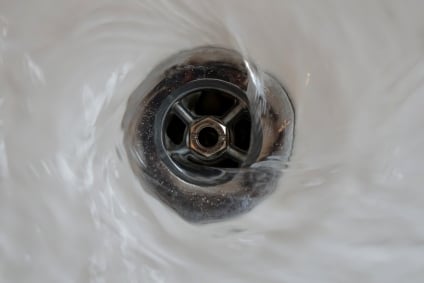
Run water in every sink, shower, and bathtub. Observe whether water drains smoothly or begins pooling before disappearing. Slow drainage can point to partial blockages, aging drain lines, tree root intrusion, or improper pipe slope.
Listen for gurgling noises as well. Strange sounds sometimes indicate ventilation issues within the drainage system or developing sewer problems.
One slow drain may simply need cleaning. Multiple slow drains throughout the home deserve a closer look.
Pay Attention to Water Stains
Water damage isn’t always caused by plumbing, but plumbing is often involved.
Inspect ceilings below bathrooms, around laundry areas, and near kitchens for stains or discoloration. Bubbling paint, warped drywall, peeling finishes, or musty smells may all suggest past or ongoing moisture problems.
Don’t ignore minor stains simply because they appear old. Even previous leaks deserve explanation so you understand whether the underlying issue was permanently repaired.
Look for Signs of DIY Plumbing
Not every homeowner renovation follows professional standards.
Exposed plumbing can sometimes reveal shortcuts that may create future problems. Mismatched pipe materials, excessive use of flexible connectors, unsupported drain pipes, poorly aligned fittings, or large amounts of sealant around joints may indicate previous DIY work.
While not every homeowner repair is problematic, multiple improvised fixes could suggest that more hidden issues exist elsewhere in the plumbing system.
Flush Every Toilet
Toilets provide another easy opportunity to assess the home’s plumbing.
Flush each toilet and watch how it performs. A healthy system should refill quickly and flush completely without excessive noise or repeated cycling.
Pay attention to:
-
- Weak flushing performance
- Water is constantly running after flushing.
- Leaks around the toilet base
- Movement when gently pushed
- Cracks in the porcelain
Even relatively inexpensive toilet repairs can signal broader maintenance concerns if several fixtures show similar problems.
Ask About Previous Plumbing Repairs
Sellers often disclose major renovations, but it’s helpful to ask more detailed questions.
Some useful topics include:
-
- Have any pipes been replaced?
- Has the sewer line ever required repair?
- When was the water heater installed?
- Have there been previous leaks?
- Has the home experienced frozen pipes?
- Were permits obtained for plumbing renovations?
A documented maintenance history usually provides greater confidence than vague answers.
Don’t Ignore Sewer Line Warning Signs
Many buyers focus on the visible plumbing fixtures while overlooking what happens underground.
Older sewer lines can develop cracks, collapses, or root intrusion over time. Warning signs may include recurring drain clogs, sewage odours, unusually green patches in the yard, or multiple slow drains throughout the house.
Because underground repairs can become expensive, many buyers choose to arrange a sewer camera inspection before finalizing their purchase, particularly for older properties.
Examine Outdoor Plumbing
Exterior plumbing often receives less attention than indoor fixtures.
Check outdoor hose bibs for leaks, inspect visible pipes for corrosion, and verify that exterior faucets shut off properly. Poor drainage around exterior taps or standing water near the foundation may indicate hidden plumbing problems or damaged underground lines.
If the property includes irrigation systems, outdoor kitchens, or additional plumbing features, confirm they operate properly before closing.
Review Water Quality
Water quality can also reveal valuable information about a home’s plumbing.
Discoloured water may indicate rust inside aging pipes. White mineral buildup around faucets could point to hard water, while unpleasant odours sometimes suggest issues requiring further investigation.
Although water quality concerns are not always caused by the plumbing system itself, they can highlight maintenance needs that buyers should understand before purchasing.
Schedule a Professional Plumbing Inspection
A general home inspection provides valuable information, but inspectors cannot always identify every plumbing concern hidden behind walls or beneath the property.
For older homes, many buyers benefit from hiring a qualified plumbing professional to perform a more detailed evaluation. Specialized inspections may include checking water pressure, evaluating visible piping, identifying aging materials, inspecting water heaters, and recommending sewer camera inspections when appropriate.
The cost of a dedicated plumbing inspection is often small compared to the cost of discovering a major plumbing failure after moving in.
Final Thoughts
Older homes can offer outstanding value, character, and long-term potential, but they also deserve a closer look before purchase. Paying attention to pipe materials, drainage performance, water pressure, visible leaks, water heaters, sewer lines, and previous repairs can help uncover issues that may otherwise remain hidden.
Taking the time to carefully evaluate the plumbing system before closing allows buyers to make informed decisions, negotiate repairs when necessary, and budget appropriately for future maintenance. A little extra attention before signing the paperwork can prevent significant expenses and provide greater peace of mind once the keys are finally in hand.