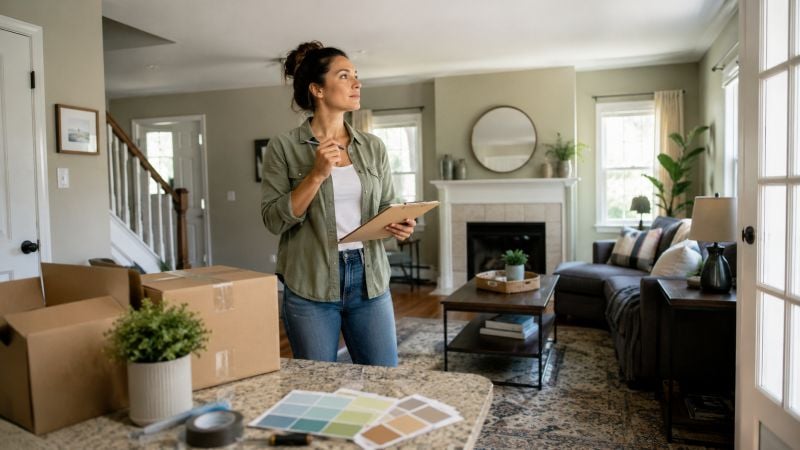
Envision yourself at the brink of a remarkable new chapter, holding the key to your first home with a realm of potential waiting just beyond its door.
However, the road isn’t always straight. There might be bumps and humps that will test your resilience and decision-making process. It won’t be surprising if you just quit and postpone your home search. That’s why it’s essential to be prepared.
Understanding Your Financial Landscape
Since buying a home is a significant investment, it’s mandatory for you to have a solid understanding of what you want and what you can afford. Here are some things you should know to become financially prepared:
Assessing Your Budget and Savings
Your financial health is the backbone of your home-buying process. It's essential to assess your budget realistically, considering your income, ongoing expenses, and debts. Equally important is evaluating your savings, especially since they'll cover the down payment, closing costs, and other associated fees. Having and sticking to a budget plan can significantly ease the financial pressure of buying a home.
Consider future financial scenarios, such as changes in employment or family size. This comprehensive evaluation helps determine a realistic price range for your new home. This ensures that your purchase aligns with your long-term financial health and goals.
Credit Score and Its Impact on Mortgage
Your credit score matters for lenders. A higher score can unlock better mortgage options with lower interest rates and better terms. To optimize your score, pay down existing debts and make all credit payments on time.
Monitor your credit report for errors and address them promptly. If your score isn’t where you want it to be, don’t despair. There are steps to improve it over time, such as diversifying your credit mix and maintaining a low credit utilization ratio.
Exploring Mortgage Options
The mortgage landscape is diverse, offering various options, each with its own set of benefits and challenges.
Fixed-rate mortgages provide stability with consistent payments throughout the loan term, making budgeting easier. Adjustable-rate mortgages, on the other hand, start with a lower rate, which can change over time. They can potentially offer savings initially but with the risk of increased payments later.
Government-backed loans like FHA, VA, or USDA loans can be beneficial for those who qualify, often requiring lower down payments or offering more lenient credit requirements. Understanding each option's nuances will help you choose a mortgage that aligns with your financial situation and homeownership goals.
The Home Buying Process
Once you’ve got your finances in check, you now have to prepare for the actual home-buying process. This process is far from being straightforward. Here are some preparation best practices:
Starting Your Home Search
Begin your home search by defining what you're looking for in a property. Consider factors like location, size, type of home, and community amenities.
Check homes for sale online, virtual tours, and open houses to explore available properties. It’s also helpful to keep a flexible mindset, as you might have to balance your preferences with the realities of the market.
Remember to consider long-term aspects like the home’s potential for appreciation, the neighborhood's growth, and proximity to essential amenities and work.
The Role of a Real Estate Agent
A reliable real estate agent is an invaluable ally in this journey. They bring expertise in market trends, neighborhood insights, and negotiation tactics. A good realtor will take time to understand your needs and preferences, offer objective advice, and streamline the search process.
They can also provide access to listings that might not be publicly available and represent your interests during negotiations. Go for an agent with a solid track record. Make sure they're someone you feel comfortable communicating with openly.
Making an Offer and Negotiating
Once you find a home you love, it's time to make an offer. Finding a house that feels like home is thrilling, but it’s just the beginning. Making a strategic offer is crucial. Your broker will help you determine a competitive yet reasonable offer based on comparable home prices, the home’s condition, and market dynamics. Be prepared for negotiations, which might involve counteroffers and concessions. A successful negotiation requires a balance between getting a fair deal and being flexible enough to make the purchase happen.
Finalizing Your Home Purchase
After the rigorous home search process, it’s time to fully commit to the home. Here’s what you should do:
Home Inspection and Appraisal
A comprehensive home inspection is non-negotiable in your home-buying process. It's not just about identifying current problems. More than that, it also provides insight into potential future issues that might require costly repairs.
For example, an inspector might flag an aging roof or an outdated electrical system. This will allow you to factor in these future expenses when negotiating the home's price.
On the other hand, an appraisal assures you and your lender that the price you're paying aligns with the home's current market value. This is especially important in a fluctuating market, where home prices vary quickly.
Closing the Deal
The closing process often involves a final property walkthrough, allowing you to verify that the home's condition is agreed upon in the contract. This is your last chance to identify unresolved issues before the property becomes yours. The closing is also when you'll need to have all your financial arrangements in order.
Understand all fees and costs involved, as unexpected expenses can sometimes arise at this stage. Being well-prepared for this final hurdle ensures a smoother transition to homeownership.
Moving In and Post-Purchase Considerations
After moving in, it's crucial to start planning for your home's long-term care and maintenance. This includes setting up a schedule for regular maintenance tasks and creating a budget for future home improvement projects. It's also a good time to consider purchasing a home warranty. This warranty can provide peace of mind by covering the costs of repairs for specific home systems and appliances.
As you settle in, you'll also start to understand the nuances of your new community, from local ordinances to community events, helping you integrate into your new neighborhood.
By being well-prepared for each stage, you can make informed decisions and relish a seamless transition into your new home. Remember, each step in the home-buying process is an opportunity to secure your investment and a happy, comfortable life in your new home.
Key Takeaways
Purchasing your first home is a significant milestone, filled with challenges and rewards. You can make this journey smooth and fulfilling with adequate preparation and understanding. Embrace the process, knowing each step brings you closer to owning a space reflecting your dreams and aspirations.
Consult financial and real estate professionals for more in-depth information and personalized advice. You can rely on their invaluable insights in navigating the complexities of the home-buying process. With their guidance and your diligent preparation, your first home purchase can be a rewarding and memorable experience.
• Carefully plan and manage your finances.
• Understand and improve your credit score for better mortgage options
• Explore different mortgage types to find the best fit.
• Define your preferences and utilize online resources and real estate agents.
• Choose an experienced agent to guide you.
• Make informed offers and be prepared for negotiations.
• Ensure the home's condition and value are satisfactory.
• Understand the closing process and associated costs.
• Manage new responsibilities and enjoy your new home.