Moving to a new home can be both thrilling and a bit overwhelming, especially with a beloved pet in tow. We know your furry friend is a treasured family member, not just a pet. While transporting them long distances might seem intimidating, a little planning can make it a smooth process for both of you. Prioritize your pet’s well-being, and your care will ensure their comfort and safety.
In this guide, we’ll walk you through essential tips to make moving with pets as stress-free as possible. While long-distance movers can handle the logistics of your move, we’ll focus on the practical and emotional preparation needed to ensure your pet’s comfort and safety. From choosing the right crate to settling into your new environment, we’ve got you covered.
Pre-Move Preparations: Setting Your Pet Up for Success
Moving long-distance with your furry companion requires careful planning. Taking the right steps before the big day can help reduce stress and ensure your pet's smooth transition.
1. Vet Visit and Health Check
A visit to your veterinarian is crucial prior to moving. It’s an opportunity to ensure that your pet is fit for travel and to address any health concerns that might arise during the move. Make sure your pet is up-to-date on vaccinations and has a clean bill of health. If you’re moving to a new state or country, research the pet regulations in your new location and obtain any necessary health certificates.
Also, take this opportunity to discuss any anxiety or travel issues your pet may have and get advice on how to manage them. If you’re moving to another state, ask your vet for recommendations for a new vet in your destination city. You can also use online resources like the American Veterinary Medical Association's website to find a qualified veterinarian near your new home.

Image by Canva
2. Crate Training and Travel Acclimatization
If you plan to transport your pet by car or plane, using a pet carrier is crucial for their safety and comfort. Ensure the crate is spacious enough for your pet to stand, turn around, and lie down comfortably. To help your pet adjust, make the crate a cozy space by adding familiar bedding and toys.
Start crate training well before the move to help your pet get used to their new transport environment. Begin with short periods inside the crate and gradually increase the time. Taking your pet on short car rides in the crate can also help them get accustomed to traveling in a confined space. Allow your pet to become familiar with the crate, which will make the transition smoother when using moving services to transport your pet to your new home.
3. Updated Identification and Documentation
Before moving day, have your pet's identification tags changed with your new address and telephone number. This is useful should your pet break loose during the move. Have copies of your pet's vaccination records and any medical history on hand, as some airlines, transport services, or your new veterinarian may require them.
Remember, prior preparation is always the key to the success of any pet relocation. By taking these steps in advance, you will literally help your pet feel comfortable and secure throughout the process.
During the Move: Keeping Your Pet Calm and Comfortable
Moving day can be chaotic, but it's important to prioritize your pet's well-being during the journey. Here are some tips to ensure a safe and stress-free experience:
4. Safe and Comfortable Travel
It's crucial to keep pets secure and comfortable to effectively transport them during a long-distance move. Make sure their pet carrier or crate is firmly secured in the moving truck or car. For smaller pets, a pet seatbelt or a properly fitting carrier can ensure their safety.
Pack your pet's favorite toys, blankets, and food for extra comfort. These things will reassure your pet of security and make them comfortable. Additionally, take frequent breaks to allow your pet to stretch, exercise, and take care of bathroom needs. These familiar items and routines will reassure your pet and make the journey less stressful for them.
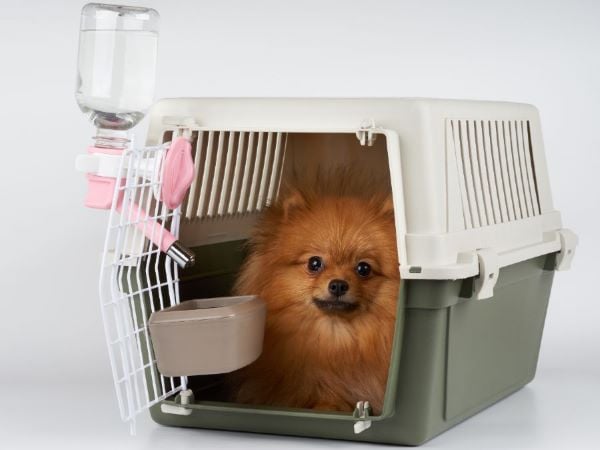
Image by Canva
5. Managing Anxiety and Stress
Pets may show signs of stress, such as barking or changes in appetite during a move. Recognize these signs and consult your vet for advice. Calming techniques, like pheromone diffusers or soothing treats, can help. For severe anxiety, discuss medication options with your vet. Visit PetMD for more information on managing pet stress.
By preparing well and considering your pet's needs, you can make the move more comfortable for both of you.
Settling In: Making Your New House a Home for Your Pet
Congratulations! You've made it to your new home. Now, let's help your furry friend feel just as settled.

Image by Canva
6. Creating a Safe Haven
As soon as you arrive at your new home, pet-proof the space to ensure it’s safe for your furry friend. This means checking for hazards like exposed wires or toxic plants. Set up a cozy spot just for your pet, filled with familiar toys, blankets, and bedding. This designated space helps your pet feel secure in their new environment. Gradually introduce your pet to different areas of the home to help them adjust.
7. Establishing Routines
Keeping up with familiar routines is crucial for pets adjusting to a new home. Stick to your usual schedule for feeding, walking, and playtime as closely as possible. Gradually adjust any changes to their routine to avoid overwhelming them. Consistency helps your pet settle in and feel at ease.
8. Patience and Understanding
Remember, moving to a new home can be a big adjustment for pets, and it might take some time for them to feel comfortable. Be patient and offer lots of love and positive reinforcement as they acclimate. Your understanding and support during this period are key to helping your pet adjust smoothly. Your empathy and support will go a long way in making your pet feel at home in the new environment.
Making a Long-Distance Move Easier for Your Pet
Of course, moving pets long distances can be hard; still, with some planning and plenty of love, it can be a smooth transition for everyone.
Start by preparing early and focusing on your pet’s comfort and safety. Patience is crucial; it might take some time for your pet to settle into the new home, but with your support, they’ll soon feel at ease.
If your pet struggles with anxiety or if you're feeling overwhelmed, consider seeking advice from a veterinarian or animal behaviorist. They can provide useful strategies to help your pet adjust.
While moving companies and pet transport services handle the logistics, your love and reassurance matter most. Your pet might not understand the move, but it will feel secure with you by its side.
Wishing you and your pet a smooth move and many happy moments in your new home!