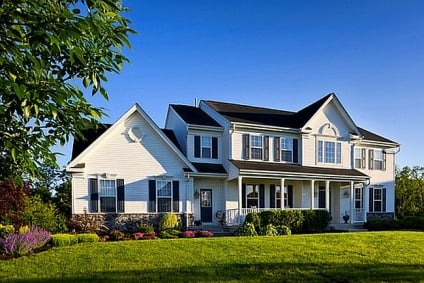
House hunting in Sacramento? Discover the major things to look for in addition to aesthetics:
location, structure, systems, layout, and future potential. Find your dream home smart!
House hunting is an exciting adventure, especially in competitive markets. In your search, it's easy to fall in love with a living space - whether it's the beautiful staging, popular decor trends, or a perfectly maintained lawn. All of that can overshadow some serious red flags - essentially, what might be hiding beneath the pretty aesthetic. There are crucial major things you should be looking for to ensure you won't be making a horrible purchase and it fits your lifestyle.
Here's the essential checklist of what to look for when touring homes. By focusing on these key elements, you can make an informed decision and find a home you’ll truly love for years to come.
1. Location, Location, Location (and Neighborhood Vibe)
This old saying holds true for a reason! The location of a home is one thing you can't change.
• Schools: Even if you don't have kids, good school districts often correlate with higher property values and attract more buyers. Research school ratings in the area.
• Commute: How far is it to work, family, or frequently visited places? How is traffic during the peak hours in the area.
• Amenities: What's nearby? Parks, grocery stores, restaurants, coffee shops, gyms, and entertainment options. Think about what you need on a daily basis and any leisure/entertainment activities you love.
• Neighborhood Vibe: Does the neighborhood feel safe and well-maintained? Are there sidewalks, green spaces, and a sense of community? Take a walk around the neighborhood at different times of the day.
• Future Development: Research any planned construction or zoning changes that could impact the neighborhood's character or property values.
2. The Home's Structural Integrity: Look Beyond the Paint
This is where you need to be a detective, even if you're not an expert (that's what inspections are for later!). Look for red flags that could signal major structural issues.
• Foundation: Check for large cracks in the foundation walls (hairline cracks are often normal, but larger ones, especially horizontal, could be a serious problem). Look for uneven floors or doors that don't close properly, which could indicate shifting.
• Roof: Ask about the age of the roof. Look for missing or curling shingles, moss growth, or visible sagging. If the roof is at the end of its lifespan, this could be a big hurdle.
• Walls and Ceilings: Look for water stains (especially on ceilings), large cracks (vertical or horizontal), or signs of previous water damage that might have been painted over.
• Grading and Drainage: Observe how the ground slopes away from the house. Proper grading prevents water from pooling around the foundation, which will create much bigger issues down the road, and costly water damage.
3. Key Systems: The Unseen Workhorses
These are the systems that make a house function. Their condition directly impacts your comfort and future repair costs.
• HVAC (Heating, Ventilation, Air Conditioning): Ask about the age of the furnace and AC unit. When was it last serviced? Turn them on during the showing to check if they blow air (hot/cold) properly.
• Plumbing: Check water pressure by running faucets in sinks and showers. Flush the toilets. Look for signs of leaks under sinks or around pipes. Note the type of pipe material if possible (e.g., copper vs. older galvanized).
• Electrical System: Ask about the age of the electrical panel. Are there enough outlets for your needs? Look for outdated wiring (like knob-and-tube) or outlets that are overloaded. Test light switches.
• Water Heater: Make a note of the age (usually a sticker on the heater) and its capacity. A water heater typically lasts 8-12 years.
4. Layout and Flow: Imagine Your Life Here
In addition to number of rooms and their function, how do they connect to each other and function for your lifestyle?
• Functional Layout: Does the layout make sense for your daily routine? Is the kitchen easily accessible from the dining area? Are the bedrooms private enough?
• Space: Is there enough living space for you and your family? Is there enough storage? Will your furniture fit comfortably?
• Natural Light: How much natural light fills the rooms? Do you find it refreshing, bright, airy, colorful? How does the layout and window orientation work with the sun to bring in natural light?
• Future Potential: Could walls be opened up? Is there space for an addition later if needed? Think about how the home could evolve with your needs.
5. Windows and Doors: Efficiency and Security
Windows and doors are important for energy efficiency, security, and noise control.
• Window Condition: Are they single, double, or triple-paned? Do they open and close easily? Look for condensation between panes (a sign of seal failure).
• Door Functionality: Do exterior doors seal tightly? Do interior doors latch and swing properly? Check for drafts.
• Security: Are there deadbolts on exterior doors? Is the neighborhood safe enough for your comfort level?
Your Next Step: The Professional Home Inspection
While this list helps you identify potential issues, remember that your initial observations are just the beginning. Once you've found a home that you love and your offer is accepted, a professional home inspection is absolutely essential. An inspector will provide a detailed report on these major systems and uncover issues that aren't visible to the untrained eye.
Conclusion: Hunt Smart, Buy Confidently
House hunting is more than just finding a home with pretty exterior; it's about making a smart, long-term investment in your future. You need to train your eye to look beyond the surface and focus on these critical areas: location, structural integrity, core systems, functional layout, and essential fixtures like windows and doors, this will empower you to make a well-informed decision. This approach helps you identify potential issues early on and ensures you're investing in a home that not only meets your aesthetic preferences but also provides long-term value and comfort.