Real estate continues to be one of the most competitive industries, and those who manage to stand out are often the ones who understand how effective marketing can transform their results. Whether you’re an agent, broker, or agency, building a strong presence through well-planned real estate marketing efforts can open doors to more clients, better visibility, and long-term business growth.
This article explores how different strategies, tools, and platforms can support professionals looking to expand their reach in the competitive property market.
Why Real Estate Marketing Matters
The process of buying or selling property is not just about transactions; it’s about building trust and creating strong connections with potential clients. With so many options available, clients rely on agents who can present homes and services most appealingly and professionally.
Real estate marketing is the bridge between property listings and potential buyers. It doesn’t matter if you’re working on luxury homes, rental apartments, or commercial spaces; marketing shapes the perception of your services and can determine whether someone contacts you or chooses a competitor.
Building a Strong Foundation with Property Listings
At the heart of every successful campaign are property listings. These are often the first impression a potential buyer or tenant has of a property. Well-structured listings with high-quality images, engaging descriptions, and accurate details can influence decision-making in seconds.
Key tips for better property listings include:
• Use professional photography to highlight each space.
• Write descriptions that focus on lifestyle benefits, not just square footage.
• Incorporate video walkthroughs or virtual tours to give viewers an immersive experience.
A listing should not only inform but also inspire potential clients to schedule a viewing.
Digital Marketing for Real Estate
The way people search for homes has changed dramatically. Gone are the days when buyers relied solely on print ads and yard signs. Today, most buyers start their search online, making digital marketing for real estate a must-have strategy.
Some effective digital tactics include:
• Search Engine Optimization (SEO): Optimizing websites for keywords like real estate marketing and property listings helps agents appear at the top of search results.
• Email Campaigns: Sending personalized emails about new properties, open houses, or market updates keeps potential clients engaged.
• Pay-Per-Click Advertising: Targeted ads can attract serious buyers or sellers searching for properties in specific areas.
While individual agents can manage some of these tasks, many find greater success by hiring a professional real estate marketing agency. Agencies have the expertise, tools, and dedicated teams to handle complex campaigns, saving valuable time while delivering measurable results. Partnering with experts such as Brand Vision Media allows agents to strengthen their digital presence, develop customized campaigns, and build strategies that directly align with business goals.
The Role of Social Media in Real Estate Marketing
Social platforms are no longer just about connecting with friends; they’ve become powerful tools for businesses. Social media for real estate can drive significant attention to listings and build an agent’s personal brand.
Effective strategies include:
• Showcasing properties on Instagram with high-quality visuals and short videos.
• Hosting Facebook Live sessions to answer buyer and seller questions in real time.
• Sharing testimonials and success stories to build trust.
• Using LinkedIn to connect with other professionals, investors, or corporate clients.
Consistency is key; posting regularly and engaging with followers can turn social media into one of the most valuable marketing channels.
Building Recognition with Real Estate Branding
Branding is not just for large corporations. Agents and small agencies also benefit from creating a consistent and professional identity. Real estate branding helps clients remember you, trust you, and recommend your services to others.
Important elements of strong branding include:
• A professional logo and website design.
• Consistent use of colors, fonts, and messaging across all platforms.
• A unique value proposition that highlights why clients should work with you.
The more recognizable your brand becomes, the easier it is to maintain relationships and generate referrals.
Balancing Traditional and Modern Marketing
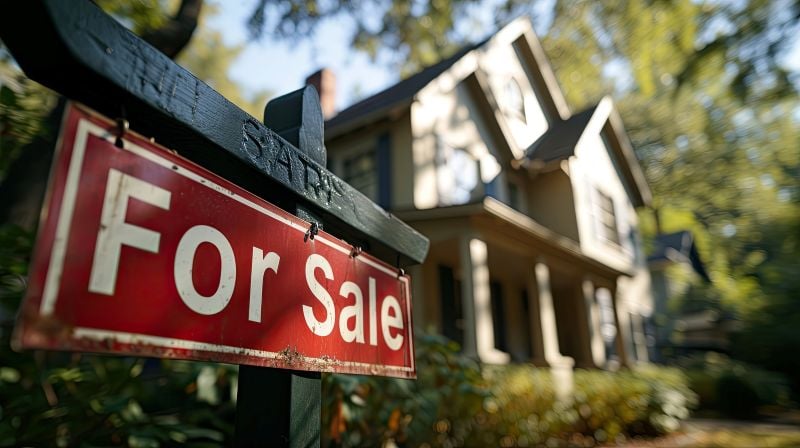
While digital strategies dominate, traditional real estate advertising still has its place. Yard signs, brochures, and local print ads remain effective for certain demographics, especially in smaller communities. Combining these methods with digital tools creates a comprehensive strategy that can reach buyers wherever they are.
A balanced mix might look like:
• Hosting open houses supported by social media promotions.
• Printing flyers for local distribution while running Google Ads campaigns.
• Using local radio ads alongside email campaigns.
This hybrid approach helps agents maximize their exposure across different audiences.
Measuring Success in Real Estate Marketing
One of the biggest advantages of modern marketing is the ability to track results. Agents can use analytics tools to understand what works and what doesn’t. Metrics such as website traffic, email open rates, social media engagement, and inquiries from property listings can provide valuable insights.
By monitoring performance, real estate professionals can refine strategies, focus on high-performing tactics, and adjust underperforming campaigns.
Final Thoughts
Real estate marketing is about more than just promoting properties; it’s about building long-term trust, credibility, and visibility. From crafting compelling property listings to using digital marketing for real estate, agents who adopt smart strategies are positioned to attract more clients and close more deals.
Combining traditional methods with modern tools, leveraging social media for real estate, and investing in strong real estate branding will not only grow your presence but also create lasting success in a highly competitive market.