Severe weather is a reality for homeowners throughout Northern Virginia. From powerful thunderstorms and high winds to hail events and winter storms, roofing systems are frequently exposed to conditions that can cause significant damage. When a storm impacts your property, understanding the storm damage roof repair Northern Virginia homeowners often need can help you act quickly, protect your investment, and navigate the insurance claims process with confidence. Knowing what to expect after a storm can make the difference between a straightforward repair and a costly restoration project.
Many homeowners assume roof damage is always obvious, but that is rarely the case. Missing shingles may be easy to spot, while other issues such as lifted roofing materials, damaged flashing, or hidden leaks can go unnoticed until water begins entering the home. Acting promptly after a storm is essential to preventing further structural damage and ensuring insurance deadlines are met.
Why Storm Damage Is Common in Northern Virginia
Northern Virginia experiences a wide range of weather conditions throughout the year. Spring and summer storms often bring strong winds, heavy rainfall, and hail, while winter weather can create ice dams and freeze-thaw cycles that stress roofing materials.
Wind damage is particularly common because gusts can loosen shingles, expose underlayment, and create vulnerable entry points for water. Hail can crack asphalt shingles, dent metal roofing components, and damage gutters. Even storms that appear minor from the ground can cause roofing issues that worsen over time.
Because roofs serve as the first line of defense against the elements, even small areas of damage should be addressed quickly to prevent additional problems.
Signs Your Roof May Have Storm Damage
After a storm passes, many homeowners perform a visual inspection from the ground. While this can help identify obvious issues, some damage may require a professional evaluation.
Common signs of storm-related roof damage include:
-
- Missing or displaced shingles
- Cracked or bruised shingles
- Granules accumulating in gutters
- Bent or detached flashing
- Damaged roof vents
- Water stains on ceilings
- Leaks in the attic
- Sagging roof sections
- Damaged gutters or downspouts
In some cases, homeowners may not notice any visible damage until weeks or months later when moisture begins affecting interior areas.
For this reason, professional inspections are often recommended after significant storms, especially if hail or high winds were reported in the area.
What to Do Immediately After a Storm
The hours following a storm are critical for minimizing damage and protecting your insurance claim.
Safety should always be the first priority. Avoid climbing onto the roof yourself, particularly if there may be structural damage or slippery conditions. Instead, conduct a visual inspection from the ground and document anything unusual with photographs.
If active leaks are present, take steps to protect interior belongings and reduce additional water damage. Buckets, tarps, and temporary coverings can help limit losses until professional assistance arrives.
Contacting a reputable roofing or restoration company promptly allows experts to assess the situation and implement emergency mitigation measures if necessary.
Quick action can often prevent minor damage from becoming a major restoration project.
The Professional Roof Inspection Process
A professional inspection is one of the most important steps after a storm. Experienced roofing contractors know how to identify damage that may not be visible to untrained eyes.
During the inspection, specialists evaluate:
-
- Shingles and roofing materials
- Flashing around chimneys and vents
- Roof valleys
- Ridge caps
- Gutters and drainage systems
- Attic spaces
- Signs of water intrusion
Many contractors also provide detailed reports, photographs, and documentation that can support an insurance claim.
This assessment helps determine whether repairs are sufficient or if a partial or full roof replacement may be necessary.
Understanding Different Types of Storm Damage
Not all storm damage affects roofs in the same way. Different weather events create different repair requirements.
Wind Damage
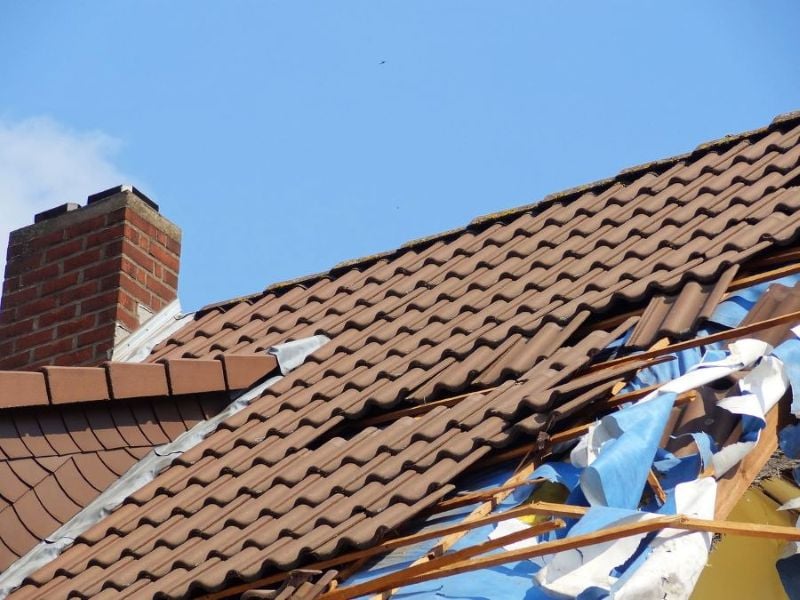
Strong winds can loosen, curl, or completely remove shingles. Even if shingles remain attached, broken seals may compromise their ability to protect the home.
Wind damage often exposes the underlying roofing system to moisture intrusion, increasing the risk of leaks.
Hail Damage
Hail can cause impact marks, fractures, and granule loss on asphalt shingles. These damaged areas may shorten the lifespan of the roof and increase susceptibility to future leaks.
Because hail damage is not always visible from the ground, professional inspections are particularly important after severe hailstorms.
Water Damage
Heavy rainfall can exploit existing vulnerabilities in the roofing system. Water may enter through damaged flashing, compromised shingles, or storm-created openings.
Unchecked moisture can affect insulation, drywall, wood framing, and electrical systems throughout the home.
Tree Impact Damage
Falling branches and trees can cause immediate structural damage. In these situations, emergency stabilization measures are often required before repairs can begin.
What Roof Repairs Typically Involve
The scope of repairs depends on the severity of the damage.
Minor storm damage may require replacing a limited number of shingles, repairing flashing, or sealing vulnerable areas. These projects are generally completed quickly and can often restore the roof's integrity without extensive construction.
More severe damage may involve replacing large roof sections, repairing structural components, rebuilding damaged decking, or installing an entirely new roofing system.
A professional contractor will recommend the most appropriate solution based on the condition of the roof and the extent of the storm-related damage.
How Long Do Storm Damage Roof Repairs Take?
Repair timelines vary depending on the size of the project and weather conditions.
Minor repairs can often be completed within a day or two. Larger restoration projects may require several days or weeks, particularly if materials must be ordered or insurance approvals are pending.
The following table provides general estimates:
|
Type of Repair |
Typical Timeline |
|
Minor Shingle Repairs |
1–2 Days |
|
Moderate Roof Repairs |
2–5 Days |
|
Partial Roof Replacement |
Several Days |
|
Full Roof Replacement |
1–2 Weeks |
|
Major Structural Repairs |
Several Weeks |
Weather conditions can also affect scheduling and project completion.
How to File a Storm Damage Insurance Claim
Many homeowners' insurance policies cover storm-related roof damage, but understanding the claims process is essential for maximizing coverage.
The first step is notifying your insurance provider as soon as possible after discovering damage. Most insurers have deadlines for reporting storm-related losses, so delaying the claim could create complications.
Once the claim is opened, the insurance company will typically assign an adjuster to inspect the property and assess the damage.
Proper documentation is critical throughout this process.
Document Everything Thoroughly
Strong documentation can significantly improve the outcome of an insurance claim.
Take photographs of:
-
- Missing shingles
- Visible roof damage
- Interior leaks
- Ceiling stains
- Damaged gutters
- Fallen trees or branches
- Personal property affected by water intrusion
Keep records of all communications with contractors and insurance representatives. Save receipts for emergency repairs and temporary protective measures.
Detailed documentation helps establish the extent of the loss and supports your claim during the review process.
Why Professional Estimates Matter
Insurance companies rely heavily on documentation and repair estimates when determining claim payouts.
A reputable roofing contractor can provide a detailed estimate outlining:
-
- Damage identified
- Recommended repairs
- Material requirements
- Labor costs
- Safety considerations
Professional estimates help ensure all storm-related damage is properly accounted for rather than focusing only on obvious issues.
Many roofing contractors also assist homeowners by meeting with insurance adjusters and answering technical questions during the inspection process.
Avoid Common Insurance Claim Mistakes
Several mistakes can negatively affect a storm damage claim.
One of the most common errors is waiting too long to report damage. Delays can make it difficult to prove that the storm caused the issue rather than normal wear and tear.
Another mistake is accepting the first contractor who knocks on the door after a storm. Unfortunately, severe weather often attracts out-of-state contractors who may lack local experience or proper credentials.
Homeowners should also avoid making permanent repairs before documenting damage and consulting with their insurance provider.
Taking a careful, organized approach helps protect both the property and the claim.
Choosing the Right Roofing Contractor in Northern Virginia
Not all roofing companies have experience handling storm-related insurance claims. Choosing a contractor with local expertise can simplify the process and improve repair outcomes.
Look for companies that offer:
-
- Emergency response services
- Comprehensive inspections
- Insurance claim assistance
- Strong local references
- Proper licensing and insurance
- Written estimates and warranties
A trusted local contractor understands Northern Virginia's weather patterns, building requirements, and common storm-related roofing issues.
Preventing Future Storm Damage
While no roof is completely storm-proof, regular maintenance can reduce vulnerability.
Homeowners should schedule periodic roof inspections, clean gutters regularly, trim overhanging branches, and address minor roofing issues before severe weather arrives.
Preventive maintenance helps extend roof lifespan and reduces the likelihood of major storm-related repairs.
Conclusion
Storm damage can be stressful, but understanding what to expect after a severe weather event helps homeowners take the right steps toward recovery. From identifying damage and arranging inspections to filing insurance claims and completing repairs, every phase of the process plays an important role in protecting your home. Acting quickly after a storm can minimize additional damage, improve claim outcomes, and reduce repair costs.
For Northern Virginia homeowners, partnering with an experienced roofing contractor ensures that storm-related damage is properly identified, documented, and repaired. With professional guidance and a clear understanding of the claims process, you can restore your roof, safeguard your property, and move forward with confidence after even the most challenging weather events.