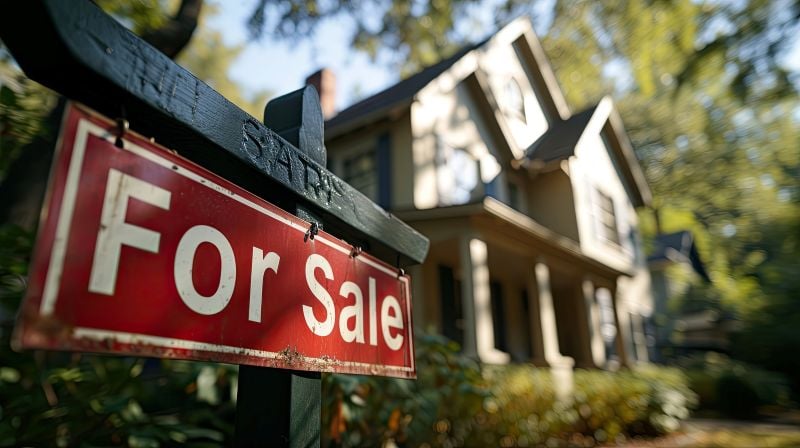
Buying a home is often seen as a smart financial move, but many homeowners discover too late that the cost goes far beyond the mortgage. Hidden expenses can quietly build up and disrupt even the most careful budgets. In this article, we uncover the lesser-known financial burdens of homeownership. Learn how these costs arise, why many underestimate them, and how to prepare for them in advance.
Overlooked Expenses That Can Strain Your Homeownership Budget
Owning a home brings a sense of stability, but it also introduces a range of financial responsibilities that extend well beyond the mortgage payment. In some cases, the situation gets out of hand. You may need to call a licensed insolvency trustee for professional advice on managing overwhelming debt, especially if rising homeownership costs have strained your budget to the breaking point.
James from Adamson & Associates says, "A trustee reviews the financial situation, outlines their legal options, and guides the individual toward a solution. The way out might involve filing for bankruptcy, submitting a consumer proposal, or considering other debt relief strategies that help protect the home and financial future." Thus, as you consider homeownership, here are some of the most common hidden costs to watch out for.
Property Taxes That Rise Over Time
Local authorities will recalculate the tax obligation based on the new valuation when the market value rises, not the original purchase price. This shift often happens a year or two after buying, surprising owners who budgeted for the original rate. Even without a significant increase in home value, cities can raise property tax rates to fund public projects like schools, roads, or emergency services.
Homeowners also face additional levies like sewer upgrades or stormwater fees, especially in growing neighborhoods. These charges appear on annual statements and vary by region, making it hard to predict total costs from year to year. Failing to adjust for these changes can lead to budget shortfalls or late payments.
Insurance Premiums Beyond the Basics
Insurers regularly reassess risk based on location, weather patterns, and claim history. If your area experiences more storms, fires, or flooding, your premiums will likely increase even without you filing a claim. Many standard policies exclude damage from events like earthquakes, floods, or sewer backups. You must purchase supplemental policies to cover these risks, which increases your total insurance costs.
Some lenders even require these add-ons if the property lies in a high-risk zone. If you fail to secure the right coverage, a single event could leave you responsible for significant repairs or replacement costs. Reviewing your policy regularly, updating it as needed, and understanding what the policy includes and excludes can help you avoid costly gaps.
Maintenance and Repairs That Add Up
Basic upkeep like gutter cleaning, lawn care, and HVAC servicing may seem minor, but these tasks add up quickly and recur throughout the year. Neglecting them often leads to larger problems that cost far more to fix. For example, skipping annual roof inspections can result in unnoticed leaks that damage insulation and drywall. On top of that, older systems such as water heaters, furnaces, and plumbing begin to fail more frequently as they age, requiring costly repairs or replacements.
A burst pipe or failing HVAC unit can set you back thousands, especially if it causes damage to floors or walls. While DIY solutions may lower short-term costs, they can also worsen the issue if done incorrectly or without the right tools. Although professional repairs come at a premium, they often prevent more serious damage.
Utility Bills and Energy Inefficiencies
Older homes often lack modern insulation, efficient windows, or up-to-date HVAC systems, which makes them harder to heat and cool. As a result, energy use increases and utility bills climb, especially during extreme weather months. Appliances that consume more power or lighting that relies on outdated bulbs can add to the problem, driving costs higher without obvious warning signs.
These inefficiencies strain household budgets over time. Many homeowners overlook the long-term savings from upgrades such as sealing air leaks, installing smart thermostats, or switching to energy-efficient appliances. Thus, an energy audit can identify specific problem areas and help prioritize improvements.
HOA Fees and Community Obligations
If your property falls under a homeowners association, you likely pay monthly or annual fees that support shared amenities, landscaping, and administrative tasks. These costs may seem manageable at first but often increase over time.
In addition to regular dues, HOAs can impose special assessments for major repairs or upgrades, such as resurfacing roads or replacing community roofs. Homeowners must also follow specific rules, which may limit remodeling plans or property use. Failing to comply can result in fines or legal issues, adding more pressure to your budget.
Renovations That Cost More Than Expected
Many home improvement projects exceed their original budget due to unexpected structural issues, permit requirements, or zoning conflicts. Even a minor remodel can uncover problems like outdated wiring or water damage that need correction before work continues.
Material and labor costs can rise during the project, especially in high-demand periods. Additionally, the project scope often expands as homeowners change their plans mid-way. Without strict oversight, renovations can quickly become financial drains.
Opportunity Costs of Tied-up Equity
When you invest a large sum into your home, whether through a down payment, renovations, or mortgage payments, you reduce your available liquid assets. That money could have earned returns elsewhere, such as in stocks, retirement accounts, or a business.
If a financial emergency arises, accessing that equity often requires a time-consuming and expensive process, such as refinancing or taking out a home equity loan. You may take on high-interest debt to cover urgent needs during that delay. Further, tied-up equity limits your ability to pivot toward better investments or take advantage of market opportunities.
Conclusion
Hidden costs can erode your stability if you fail to plan and adjust your budget over time. For example, an unexpected tax increase or significant repair can force you to dip into savings or rely on high-interest credit. In addition, limited access to home equity during emergencies can leave you without the flexibility to recover quickly. Therefore, homeownership offers long-term value when you understand the full financial picture.