Ensuring the safety and security of a construction site is a priority for project managers and workers. A well-maintained site protects workers and reduces the risk of theft, vandalism, and accidents. With large teams and expensive equipment involved, taking precautions can prevent costly disruptions. This post explores six key areas highlighting the importance of keeping a construction site safe and secure.
Prioritizing Worker Safety
Worker safety is the foundation of any successful construction project. To ensure workers are protected, companies must provide the necessary safety gear, such as hard hats, safety boots, and harnesses. It's equally important that all workers are trained to use this equipment properly and are aware of the risks associated with not wearing it. Regular safety briefings and hazard assessments should be conducted to address potential dangers and reinforce the importance of adhering to safety protocols.
Construction managers also have a responsibility to secure the worksite itself. One effective measure is to secure building sites with temporary fencing, which helps prevent unauthorized access and reduces the likelihood of accidents involving individuals unfamiliar with the hazards. Prioritizing worker safety not only safeguards the team's well-being but also boosts productivity and morale by fostering a safer, more organized work environment.
Protecting Equipment and Materials
Construction sites often house expensive tools, machinery, and materials, which are tempting targets for thieves. Preventing theft involves keeping a detailed inventory of equipment and installing proper security measures such as locked storage areas and surveillance cameras. When tools or materials are left unattended, it creates opportunities for theft, which can result in project delays and increased costs.
Assigning staff to monitor equipment and materials during work hours and locking everything up at the end of the day can also make a significant difference. Along with high-tech solutions like surveillance, simple measures like keeping gates closed and securing materials under lock and key can have a big impact.
Managing Site Access
Unauthorized personnel wandering onto a construction site can cause disruptions, safety hazards, or worse—legal complications. To avoid these risks, managing access to the site is critical. Implementing a badge system or designated checkpoints where workers and authorized visitors must sign in can help prevent accidents and unwanted intrusions.
These systems manage site access and log all individuals present, which is essential for security and safety in emergencies. Clear signage should inform entrants about restricted zones, protective gear, and potential dangers. Tracking visitors and workers ensures everyone on-site has a purpose, reducing risks from unauthorized access.
Hazard Prevention and Risk Management
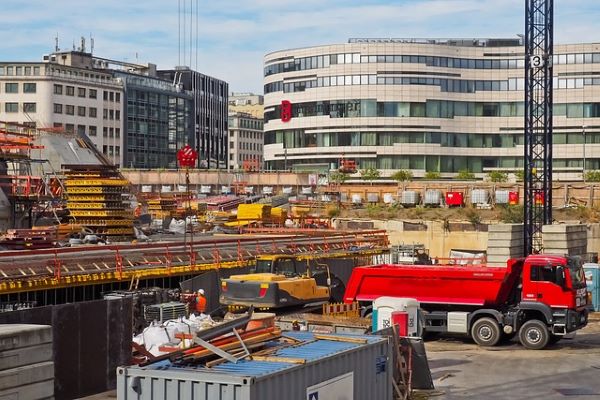
Construction sites are inherently full of risks due to heavy machinery, large materials, and complex tasks. One of the most effective ways to reduce the chance of accidents is to maintain clear and visible signage that warns workers of hazards such as electrical equipment, falling debris, or dangerous chemicals. Conducting regular inspections to identify potential safety issues ensures that risks are mitigated promptly.
Besides signage, good housekeeping like clearing debris, organizing tools, and keeping work areas clean greatly reduces accident risks. Risk management should include plans for unexpected events like severe weather or equipment failures to ensure site safety in all conditions.
Implementing Fire Safety Measures
The use of flammable materials, welding equipment, and power tools increases the risk of fire. Installing fire extinguishers at strategic points throughout the site and ensuring workers are trained in fire safety procedures can prevent small incidents from escalating into large-scale fires.
Electrical systems should be regularly checked, and any faulty wiring or overloaded circuits should be promptly addressed. Fuel storage areas need to be properly maintained and located at a safe distance from potential ignition sources. Fire drills and clear evacuation routes help ensure that in case of an emergency, all workers know how to respond quickly and safely.
Maintaining Communication and Emergency Plans
Clear communication and established emergency procedures are essential components of site security. Workers should always know where to report in the event of an emergency, and the team must be aware of evacuation routes and first-aid stations. A lack of communication during critical moments can lead to chaos, delays, or even further injuries.
Have someone on-site trained in first aid to assist with injuries. Training a select group of employees ensures immediate help during accidents. Regular drills and updates to emergency plans keep everyone prepared and minimize confusion in critical situations. Open communication between workers, supervisors, and emergency services allows for faster and more efficient responses, ensuring on-site safety.
Maintaining a safe and secure construction site requires a comprehensive approach that addresses both physical security and worker safety. By focusing on these safety and security measures, construction projects can be completed on time and without unnecessary disruptions while protecting both workers and valuable assets.