The design and functionality of a commercial space significantly influence both employee productivity and customer satisfaction. While grand concepts and high-budget renovations often steal the spotlight, it is the subtle details that can distinguish a functional space from one that truly thrives. In examining these overlooked aspects, businesses can cultivate environments conducive to engagement and professionalism. Understanding this delicate balance can ultimately lead to enhanced brand reputation and increased operational efficiency.
The Importance of a Quality Roof
Often taken for granted, the roof is a critical component of your commercial space. A well-maintained roof ensures the safety and longevity of your property, protecting it from the elements and minimizing energy loss. High-quality roofing materials contribute to better insulation, reducing heating and cooling costs while maintaining a comfortable indoor environment. Leaks or structural damage can lead to costly repairs and disrupt operations, emphasizing the need for regular inspections. Experienced professionals at Pro Roofing LLC recommend collaborating with a roofing company with an extensive background in commercial roof installation and repairs. A well-maintained roof ensures the safety and longevity of your property, protecting it from the elements and minimizing energy loss. This ensures that your roof is built to withstand the demands of your business while supporting energy efficiency and overall functionality.
Lighting: More Than Just Brightness
The role of lighting in a commercial space is frequently underestimated. Adequate illumination contributes to productivity, safety, and ambiance. However, it is important to recognize that lighting is not solely about the amount of light. The type, color temperature, and placement greatly influence mood and behavior. For instance, warm lighting can create a cozy atmosphere in a reception area, facilitating easier interactions. On the other hand, cooler shades may be more suitable for workspaces, promoting alertness and focus. A poorly lit space can appear uninviting, while overbearing lights may cause discomfort. Striking the right balance between natural and artificial lighting is key. Consider task-specific lighting for workstations and ambient lighting to set the mood in customer-facing areas. Don’t forget to leverage natural light by using large windows and glass walls where possible. Strategic placement of windows or skylights can foster a more inviting atmosphere while reducing reliance on artificial lighting. Studies have shown that access to natural light can enhance employee mood and productivity by up to 15%. Now that’s something that can brighten up the working days of employees.
Ergonomics: Comfort and Functionality
Ergonomics is paramount in designing workstations that foster health and efficiency. Whether it is the height of desks, the design of chairs, or the layout of a workspace, every element should consider the well-being of the people who occupy the space. Poor ergonomics can lead to musculoskeletal issues, which not only affect employee satisfaction but may also result in increased healthcare costs and absenteeism. Research indicates that investing in ergonomic furniture can result in up to a 25% decrease in employee discomfort. Simple adjustments to desk height or the introduction of standing desks can yield significant benefits for both employees and employers. One such solution could be engaging professionals to design a space that is both aesthetically pleasing and functionally supportive.
Color Psychology: Impact on Mood and Behavior
Colors have profound psychological effects that can influence mood and workplace dynamics. Different colors evoke unique emotional responses; for example, blue promotes calmness and focus, while yellow can ignite creativity. Choosing the right palette for your commercial space can subtly shape interactions and productivity levels. Aiming for harmonious color schemes creates a cohesive environment that reflects your brand identity. Consulting with designers who specialize in color psychology can lead to spaces that not only look appealing but also perform effectively, motivating staff and attracting customers.
Strategic Layout: Maximizing Flow and Interaction
The layout of a commercial space significantly influences how employees and customers navigate it. Crowded spaces can feel chaotic, while overly sparse layouts may appear unwelcoming. A well-thought-out layout encourages collaboration among staff while allowing customers to interact seamlessly with the service or product offerings. It is essential to assess the spatial flow and identify key interaction points that facilitate engagement. Create pathways that allow for smooth navigation and ensure adequate spacing between workstations or seating areas. Additionally, prioritize multi-functional furniture to enhance employee productivity and spatial comfort. Customers also appreciate thoughtfully arranged seating that feels both private and accessible. Incorporating flexible spaces can cater to evolving needs, fostering creativity and spontaneity. Research from the Harvard Business Review highlights that offices designed for collaboration can boost team productivity by 20% or more. Emphasizing flow cannot only enhance functionality but also contribute to a stronger sense of community within the workplace.
Accessibility: A Must-Have, Not an Afterthought
Creating an inclusive environment requires prioritizing accessibility for all individuals. Considerations should extend beyond basic compliance with regulations to ensure the space accommodates diverse needs. Designing with accessibility in mind cultivates a welcoming atmosphere where everyone has equal opportunities to engage. This may involve features such as wider pathways, ramps, and accessible restrooms, ensuring that facilities are usable by people with disabilities. The importance of accessible and presentable restrooms can’t be stressed enough. Restrooms may not be the first thing that comes to mind when designing a commercial space, but they significantly impact customer satisfaction and employee morale. Clean, well-designed restrooms with modern fixtures reflect professionalism. Don’t skimp on essentials like hand dryers, adequate lighting, and proper ventilation. Regular maintenance schedules should also be established to ensure restrooms remain clean and fully functional. Beyond physical accessibility, providing technology like voice-activated devices and adaptive equipment can also contribute substantially. Companies that prioritize inclusivity often experience heightened employee satisfaction and customer loyalty.
Safety and Security Considerations
Safety must be a cornerstone of any commercial design project. Beyond compliance with local regulations, prioritizing safety fosters a sense of security for both employees and customers. This encompasses fire safety, emergency exits, and an overall layout designed to minimize risks. Regular assessments and upgrades of safety systems instill confidence in a company's commitment to its workforce and clientele. A secure commercial space is also a top priority for any business owner. Advanced security measures such as surveillance cameras, alarm systems, and biometric access controls provide peace of mind. Additionally, visible security features can act as a deterrent to potential intruders. Regularly updating and testing security systems ensures their effectiveness. By demonstrating a strong commitment to safety and security, businesses can enhance their reputation and potentially reduce liability.
Sustainability: Environmental Responsibility in Space Design
Sustainability is a growing concern for many customers and employees. As businesses increasingly focus on sustainability, designing with environmental responsibility in mind has become essential. Utilizing eco-friendly materials and energy-efficient systems can benefit your bottom line while also aligning with consumer preferences toward environmentally responsible practices. Understanding how to reduce a commercial space's environmental footprint can be a significant draw for potential clients. Incorporating eco-friendly elements such as energy-efficient lighting, solar panels, and water-saving fixtures can set your business apart by meeting regulatory demands and enhancing brand loyalty among eco-conscious consumers. A commitment to sustainability can play a pivotal role in differentiating your business from competitors, as it reflects ethical practices that resonate with modern audiences.
Maintenance and Upkeep: Long-Term Strategies
No matter how stunning a commercial space may be upon completion, continuous maintenance is critical to preserve its functionality and aesthetics over time. Creating a clear strategy for ongoing upkeep can help mitigate issues before they grow into costly repairs. Regular inspections, cleaning schedules, and maintenance of critical systems should be part of this strategy. Establishing a maintenance schedule that factors in high-use areas can extend the lifespan of your commercial space. Business owners should prioritize routine checks for plumbing, electrical systems, and building integrity. The exterior of your commercial property is just as important as the interior. A well-maintained outdoor space with attractive landscaping creates a welcoming first impression. Whether it’s a small seating area, a green lawn, or a beautifully designed entrance, outdoor features can elevate the overall appeal of your space. By integrating maintenance into the operational framework, spaces can remain inviting, safe, and functional.
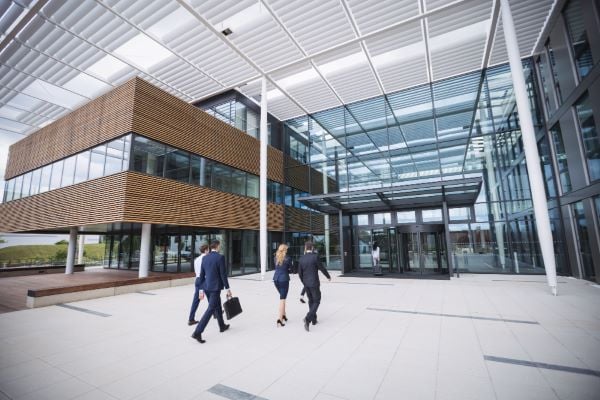
Image by wavebreakmedia_micro on Freepik
The nuanced details surrounding commercial space design often get overshadowed by grand renovation plans or flashy concepts. However, it is essential to focus on these subtle yet impactful elements. From lighting choices and ergonomic solutions to strategic layouts and sustainability efforts, every aspect works cohesively toward building a functional, inviting environment. As businesses adapt to changing client and employee expectations, awareness of these often-overlooked details will serve to elevate the standards of commercial spaces across the board.