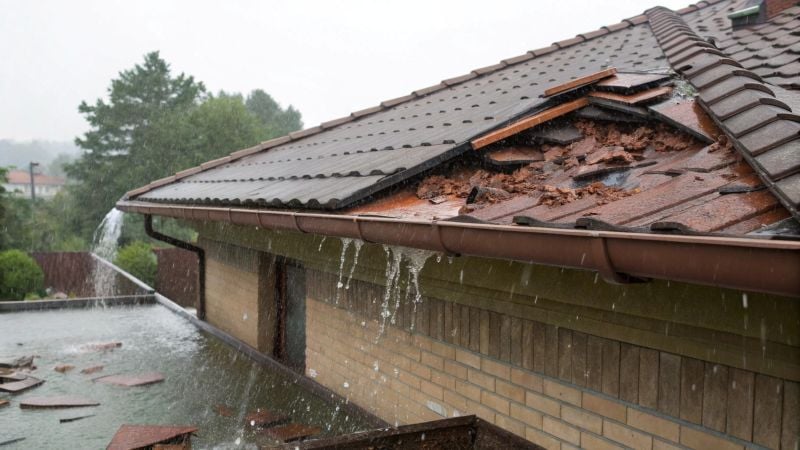
In Wichita, your roof is a resale asset that lives or dies on a spring storm calendar. Buyers in Sedgwick County know it, their agents know it, and the inspector standing on your shingles in October will know it too.
If you're planning to list in the next 12 to 24 months, stop thinking about your roof and siding as maintenance items and start thinking about them as a timeline. Hail season doesn't wait for your listing date.
What follows is that timeline, broken into the four windows that matter for a Kansas seller: the calm before, the storm itself, the weeks right after, and the pre-listing stretch when everything you did (or didn't do) shows up in the appraisal.
Before the Season Starts, Document What You Have
The window between the last freeze and the first big cell is short, and it's the most valuable stretch on the calendar. Use it. A pre-season baseline is what separates a clean insurance claim from a drawn-out argument later.
Kansas sits in a severe-weather corridor that keeps insurers busy, and the federal numbers back that up. NOAA data from 2024 showed 27 separate billion-dollar weather and climate disasters, 17 of them severe storms driven by hail, tornadoes and straight-line wind. That's the environment your roof is aging in.
Before April, handle these three while the weather is boring:
-
- Dated photos. Walk the perimeter and shoot the roof, siding, gutters, and any exterior features from consistent angles. Save them somewhere you'll find them in October.
- A written inspection. A short, dated report from a licensed contractor establishes the pre-storm condition of the roof. It's cheap insurance against an adjuster later blaming old wear for new damage.
- Policy review. Know whether your homeowner's policy pays actual cash value or replacement cost, and check your wind/hail deductible. Wichita policies often carry a separate one.
During the Storm, Prioritize Safety and Evidence in That Order
When the sirens run, the roof is not your problem. Get to an interior room. That's it. The house can be repaired; you cannot.
Once the cell passes and it's safe to step outside, resist the two most common Wichita mistakes: climbing on the roof yourself, and signing anything a door-knocker hands you. Both create problems that outlast the storm.
What you should do in the first 24 hours is more modest. Photograph everything from the ground. Look for dented gutters, cracked siding panels, shredded screens, and stripped granules pooled at the downspouts. Note the time and date.
If a tree limb punched a hole, tarp what you can reach safely and stop there.
The Weeks After Are Where Most Sellers Lose Money
The gap between the storm and the claim decision is where good outcomes slip away. Adjusters are backed up. Contractors are booked. And the pressure to accept the first offer and move on is real.
Slow down. Get an independent inspection from a local roofer before the adjuster arrives, not after. Have them present during the adjuster's visit if you can. Hail bruising on asphalt shingles isn't always visible from the ground, and soft-metal test spots (vents, flashing, AC fins) tell a clearer story than the shingles themselves.
If you're in the Wichita metro and the damage is meaningful, this is the moment to bring in an expert roofing contractor who works these claims routinely, understands local code, and can document scope in a way the carrier will accept. A supplement filed correctly at week three is worth far more than a dispute filed at week twelve.
Before You List, Turn Repairs Into Resale Value
By the time you're staging the living room, your exterior work should already be done and documented. Buyers in this market read a new roof and fresh siding as risk removed. A four-year-old roof with a clean claim history sells the house faster than a discount ever will.
Siding is the underrated half of that equation. In a Wichita neighborhood where half the block still wears its original vinyl, that's a visible line on the comp sheet.
Two last things worth doing before the sign goes in the yard:
-
- Pull your paperwork. Warranties, permits, inspection reports, and the final invoice from any storm work. Hand it to your agent as a packet. Buyers' inspectors ask, and answers on paper move faster than answers over text.
- Fix the small stuff. Loose gutter straps, a bent downspout, one popped siding panel. None of it costs much. All of it reads as deferred maintenance in a showing.
The Wichita sellers who net the most aren't the ones with the newest houses. They're the ones who treated the exterior as a two-year project instead of a two-week scramble.