You must always exercise caution while renting any property because you do not own it.
Being watchful can mean keeping an eye out for property damage, but it can also involve being aware of your legal rights as a tenant.
Here are some pointers on how to rent a home or an apartment.
ALWAYS BRING YOUR COMPLETE DOCUMENTS
Being prepared is the best approach to impress a potential landlord.
Bring the following with you when you meet the landlord to give yourself a competitive advantage over other applicants:
a finished rental application, written recommendations from previous landlords, employers, and coworkers, as well as a recent credit report.
DONT FORGET TO REVIEW YOUR LEASE
Before you put your name on the dotted line, carefully read the tenancy terms.
There may be a clause in your lease or rental agreement that you find objectionable, such as prohibitions on visitors, pets, design changes, or operating a home business.
ALWAYS HAVE EVERYTHING DOCUMENTED
Get everything in writing to prevent disagreements or misunderstandings with your landlord.
A written confirmation of an oral agreement outlining your understandings should be sent afterward. Keep copies of all correspondence.
You should put your request in writing and keep a copy for yourself, for instance, if you ask your landlord to make repairs.
If the landlord consents orally, confirm this in writing.
PROTECT YOUR RIGHTS TO PRIVACY
One of the most frequent and emotionally charged misunderstandings comes from the conflict between a landlord's right to visit a rental property and a tenant's right to privacy.
It will be easier to defend your privacy rights if you are aware of them (for instance, the amount of time notices your landlord must give before entering).
YOU ARE ALWAYS ENTITLED AS A TENANT TO REQUEST FOR REPAIRS
Be aware of your rights to a livable rental unit and don't compromise them.
Most landlords are expected to provide their tenants with habitable spaces, including enough weatherproofing, heat, water, and electricity, as well as spaces that are clean, sanitary, and structurally sound.
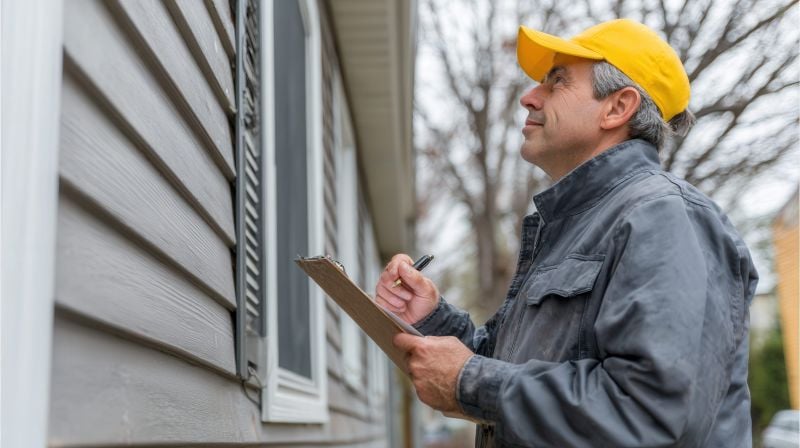
You have a variety of options if your rental property is not kept in good condition. These include withholding a portion of the rent, making repairs yourself and deducting the cost from your rent, contacting the building inspector (who might order the landlord to make repairs), and moving out without being responsible for any remaining rent.
DISCUSS WITH YOUR LANDLORD
Maintain a line of communication with your landlord.
If there is a problem, for instance if the landlord takes a long time to fix repairs, discuss it to see if a compromise can be reached without a protracted court struggle.
KEEP YOUR SECURITY DEPOSIT SAFE
Make sure your lease or rental agreement is clear on the usage and reimbursement of security deposits, including permitted deductions, in order to protect yourself and prevent any misunderstandings.
Do a walk-through of the property with the landlord before you move in to note any damage that is already present.
Avoid renting without taking caution because nobody can be trusted these days. Follow these tips; they are definitely going to come in handy.